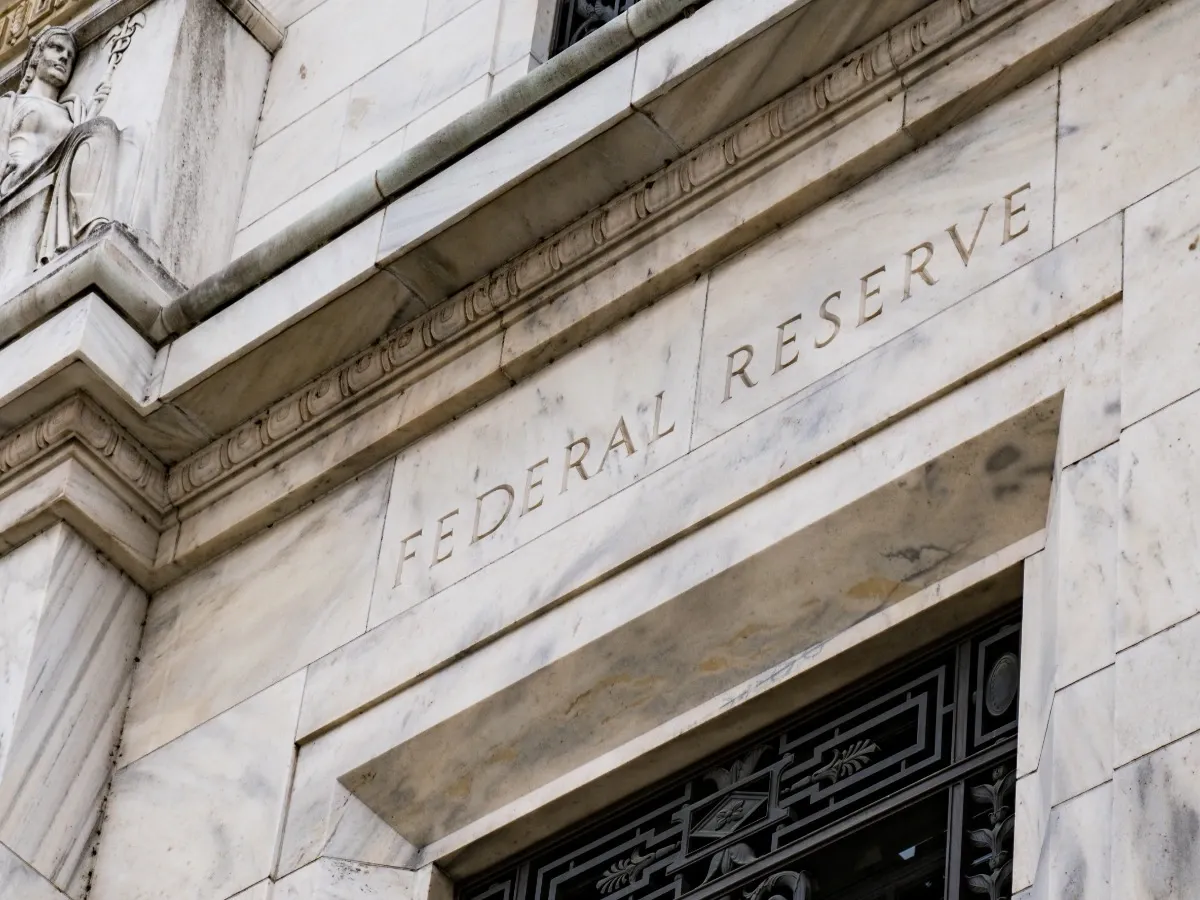
The US Federal Reserve's Federal Open Market Committee (FOMC) decided to keep interest rates unchanged in the range of 3.75% to 4% during its October 2026 meeting. This decision was made to address ongoing inflation concerns and elevated global uncertainty affecting the economy.
- The federal funds rate remains at 3.75% to 4%.
- The decision supports the Federal Reserve's dual mandate of maximum employment and price stability.
- Global geopolitical risks and inflation pressures influenced the decision.
- The Fed continues to maintain ample reserves in the banking system.
Why did the US Federal Reserve keep interest rates unchanged?
The Federal Reserve kept interest rates steady to balance the risks of inflation and economic growth. Inflation remains a concern, and global geopolitical uncertainty adds to economic risks. By maintaining the current rate, the Fed aims to support economic stability without triggering excessive inflation or slowing growth too much.
What is the federal funds rate and why does it matter?
The federal funds rate is the interest rate at which banks lend to each other overnight. It influences borrowing costs for consumers and businesses, affecting spending and investment. Changes in this rate can impact inflation, employment, and overall economic health.
How does the Fed's decision affect the economy?
Keeping rates steady helps maintain steady borrowing costs, which can encourage businesses to invest and consumers to spend. It also signals that the Fed is cautious about inflation but wants to avoid disrupting economic growth amid uncertain global conditions.
What are the Federal Reserve's goals with this policy?
The Fed has a dual mandate: to promote maximum employment and stable prices. By holding rates steady, it aims to support job growth while keeping inflation in check. The decision reflects a careful approach to managing economic risks.
What does maintaining ample reserves in the banking system mean?
The Fed continues to ensure banks have enough reserves to operate smoothly. This policy helps maintain financial stability and supports the flow of credit to households and businesses.
Frequently Asked Questions
Q: What factors influence the Fed's interest rate decisions?
A: The Fed considers inflation rates, employment data, economic growth, and global events when deciding on interest rates.
Q: How often does the Federal Reserve meet to set rates?
A: The FOMC meets approximately every six weeks to review economic conditions and set monetary policy.
Q: What happens if the Fed raises interest rates?
A: Raising rates typically increases borrowing costs, which can slow spending and reduce inflation but may also slow economic growth.
In summary, the US Federal Reserve's decision to hold interest rates at 3.75% to 4% reflects a careful balance between controlling inflation and supporting economic growth amid global uncertainties. This approach aims to maintain financial stability and promote sustained economic health.