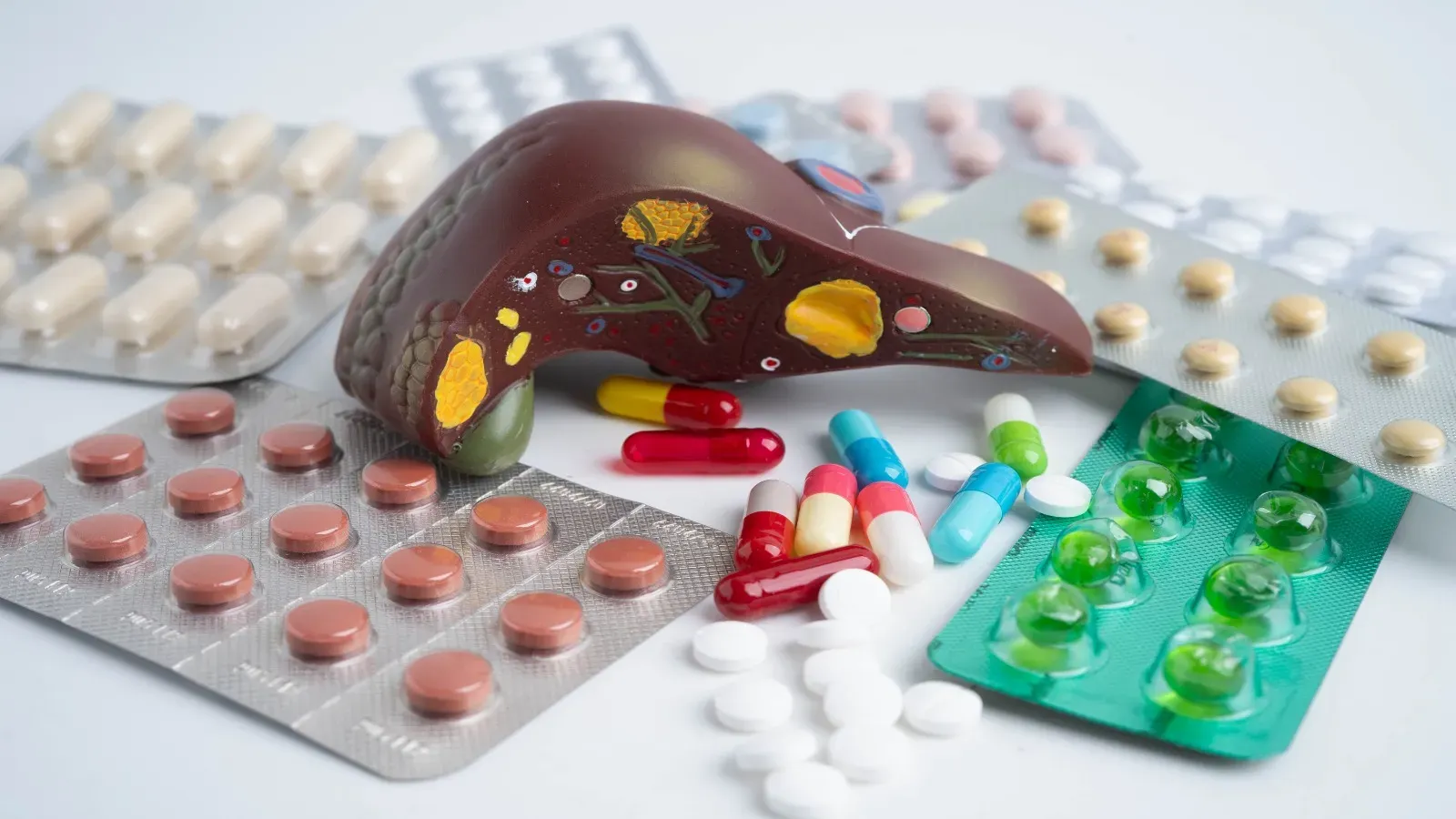
The National Pharmaceutical Pricing Authority (NPPA) has announced new, lower maximum retail prices (MRPs) for 543 brands of anti-cancer drugs, effective from November 9, 2026. This move aims to make cancer treatment more affordable by capping trade margins at 30% and reducing the cost of many essential medicines.
- Prices for key cancer drugs like Anastrozole and Bevacizumab have been significantly reduced.
- The NPPA will update the price list continuously as manufacturers submit revised prices.
- The price cap limits trade margins to 30%, ensuring fair pricing for patients.
- Drugs covered treat various cancers including breast, prostate, colon, ovarian, and cervical cancers.
- The effort addresses concerns over high disparities between procurement prices and consumer MRPs.
What changes have been made to cancer drug prices?
The NPPA has revised the MRPs for 543 anti-cancer drug brands. For example, the price of Anastrozole tablets, used in breast cancer treatment, has dropped from ₹695.76 to ₹73 for a pack of 10 tablets. Similarly, the Azacitidine injection (Azacytin) by Dr Reddy's Laboratories now costs ₹1,495.04 per vial, down from ₹6,337.
Other notable reductions include Abbott Healthcare's Bevacizumab injection, which has decreased from ₹21,767.70 to ₹5,930.13 for a 4 ml vial. These changes reflect a significant effort to reduce the financial burden on cancer patients.
Why did the NPPA revise these drug prices?
The NPPA revised prices to curb excessive trade margins and ensure cancer medicines are more affordable. There were concerns about a wide gap between the price at which drugs are procured by distributors and the MRPs charged to consumers. By capping trade margins at 30%, the NPPA aims to reduce this disparity and pass savings directly to patients.
How does the trade margin cap work?
Under the new formula, the maximum retail price is calculated based on the price at which the medicine is sold to stockists or distributors. The trade margin cannot exceed 30%, plus applicable GST. For instance, if a drug costs ₹70 to the stockist, the maximum MRP allowed is ₹100, excluding GST.
Which cancer drugs are included in the revised list?
The list includes drugs used to treat more than 20 types of cancer. Some key medicines are:
- Immunotherapy drugs
- Denosumab, used for breast and prostate cancer
- Pegfilgrastim, which helps prevent neutropenia
- Erlotinib, Fludarabine, Fulvestrant
- Bevacizumab, for colon, ovarian, and cervical cancers
Will the price list be updated in the future?
Yes, the NPPA will update the price list continuously as pharmaceutical companies submit revised prices for non-scheduled anti-cancer medicines. This ensures that the pricing remains fair and reflects current market conditions.
What impact will these changes have on cancer patients?
Lower drug prices will reduce the financial burden on patients undergoing cancer treatment. By making medicines more affordable, the NPPA hopes to improve access to essential therapies and support better health outcomes for patients across India.