Bangladesh Prepares for 13th National Parliamentary Election Amid Security Measures
Campaigning for Bangladesh's upcoming election has ended, and security authorities are taking extensive measures to ensure safe voting. As the election day approaches, the country faces ongoing challenges related to violence and security concerns.
3 min read177 views
Bangladesh is nearing its 13th National Parliamentary Election, with voting scheduled for February 12, 2026. Campaigning activities concluded on February 10, 2026, at 7:30 in the morning. Following this, a mandatory silence period of 48 hours began, during which no campaign activities are allowed. This silence period will end at 4:30 PM on February 14, 2026.
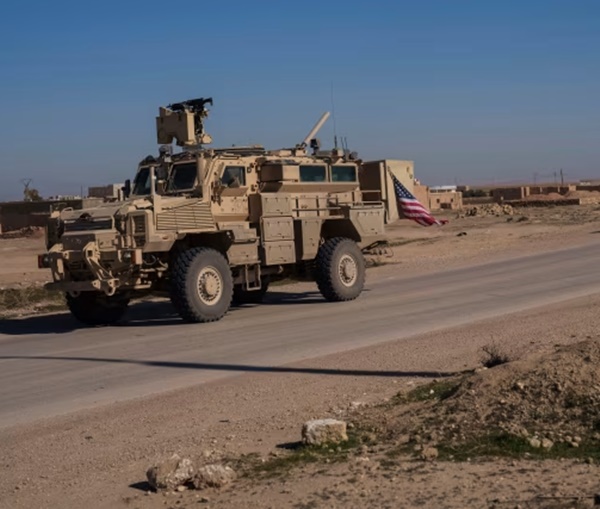
The Election Commission has taken significant steps to secure the election process. Over 1.1 million law enforcement personnel, including police, army, navy, and air force, have been deployed across the country. These forces are tasked with maintaining peace and order during the election.
Additionally, strict rules are in place to regulate voter movement. Voters are restricted from staying outside their constituencies for more than 82.5 hours, to help prevent law and order issues. This measure is part of a broader effort to ensure safety and reduce potential conflicts.
The Election Commission reported that violence during this election campaign was less severe than in previous elections. Compared to past years, there have been fewer violent incidents, and no major conflicts or widespread irregularities have been confirmed at this time.
Despite the overall decline in violence, some risks remain. The Commission identified 25,332 polling centers as vulnerable, with 8,784 considered highly vulnerable. These centers are likely to receive special attention to prevent violence and ensure voter safety.
Since the announcement of the election schedule, authorities have recorded 274 violent incidents. Among these incidents, five people have been killed. A recent incident involved the murder of a Hindu trader, which has heightened concerns among religious minorities. The Bangladesh Hindu Buddhist Christian Unity Council condemned this act, describing it as part of a broader pattern of insecurity facing minority communities ahead of the election.
The Human Rights Support Society also reported ongoing clashes related to the election, with at least 62 incidents nationwide. Among those affected, 16 political activists have lost their lives since the election schedule was announced. These reports highlight the ongoing security challenges as the country prepares to vote.
To monitor the election more closely, authorities plan to use advanced technology. The Election Commission has allocated 25,500 body-worn cameras and 500 drones, which will be deployed at the most vulnerable polling centers. These tools are intended to help maintain security and oversee the voting process.
Voting hours are set from 7:30 in the morning until 4:30 in the afternoon on election day. Out of 42,779 polling centers across the country, 25,000 have been classified as high risk. These include 8,780 centers deemed highly important, 16,548 important, and 17,433 general centers.
While efforts are ongoing to ensure the election is peaceful and free, challenges remain. Security officials continue to stay alert to threats and incidents that could disrupt the voting process.
The Election Commission also imposed a campaign ban for 48 hours, starting from 7:30 AM on February 10 and ending at 4:30 PM on February 14, 2026. This restriction aims to help maintain calm as voters prepare to cast their ballots.
Overall, Bangladesh’s authorities are working to manage security risks and protect voters during this vital election. The country’s focus remains on conducting a safe and fair voting process, despite the challenges faced in recent weeks. As the election day approaches, the actions taken by security and election officials will be crucial to the success of this democratic process.