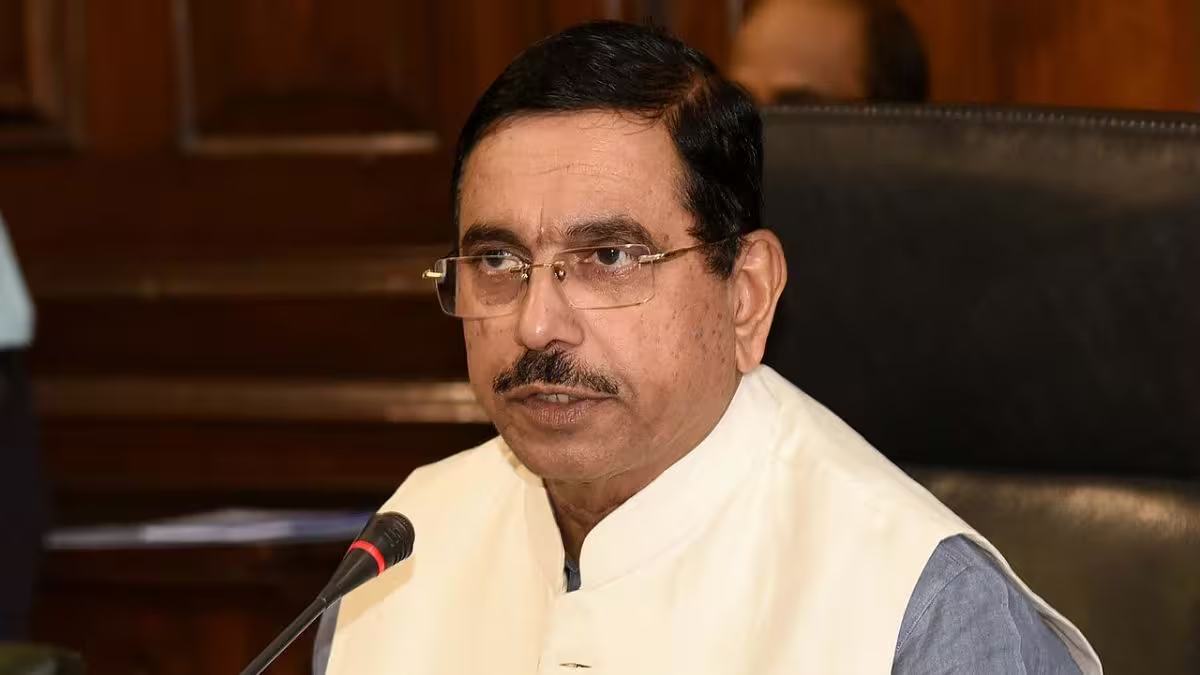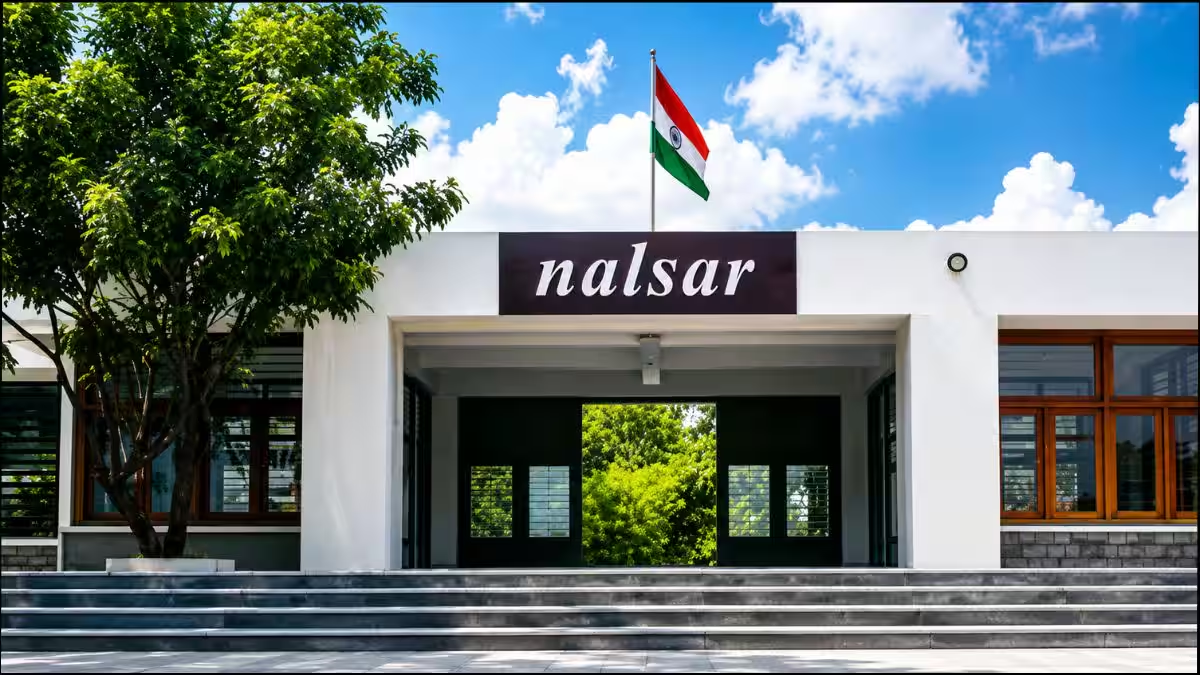
Chief Justice of India Surya Kant has declined the invitation to be the chief guest at the National Academy of Legal Studies and Research (NALSAR) University of Law’s upcoming convocation. The decision follows a heated dispute involving a section of NALSAR students and intervention by the Bar Council of India (BCI).
The convocation, scheduled for late August or early September, was initially set to feature CJI Kant as the chief guest. However, after opposition from students and alumni, and a controversial letter from the BCI, the Chief Justice clarified that he never agreed to attend.
Understanding the NALSAR Convocation Controversy
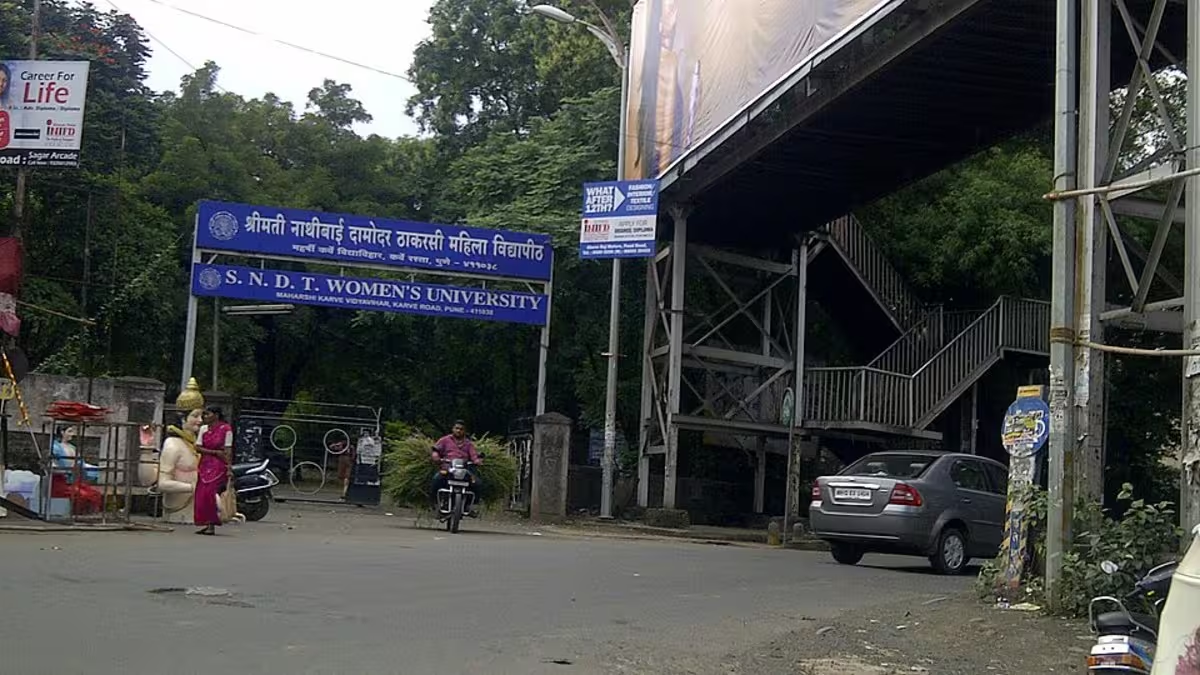
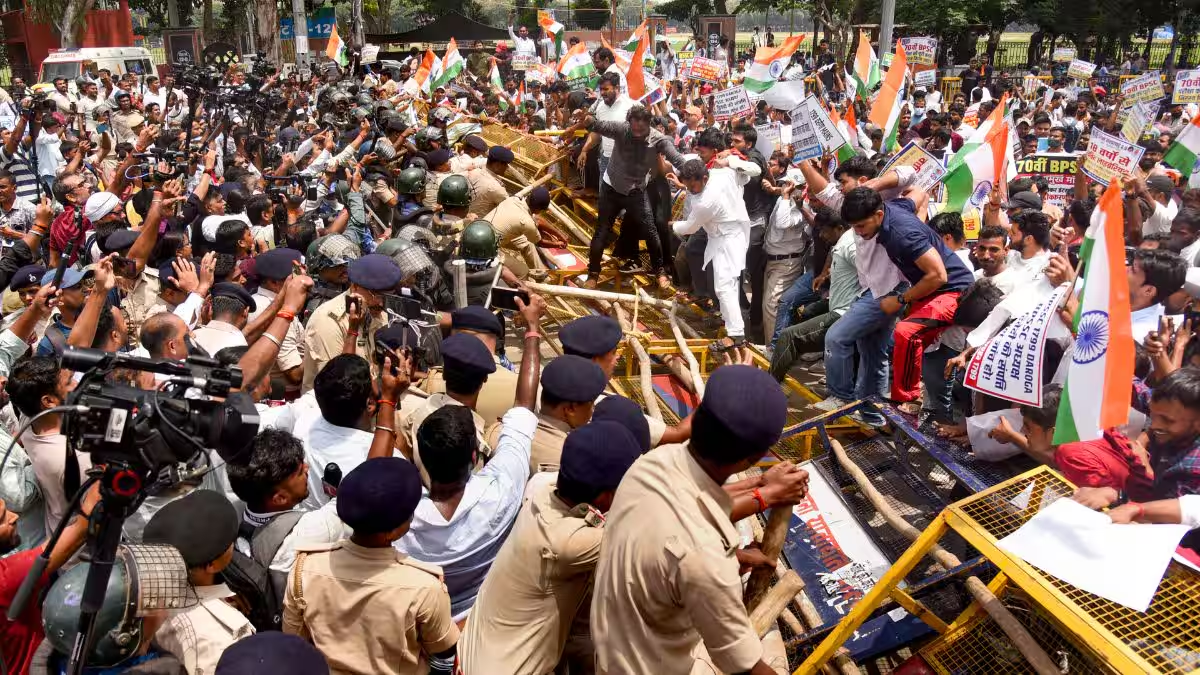
NALSAR University of Law, one of India’s premier legal institutions, had announced that CJI Surya Kant would be the chief guest at its convocation ceremony. This announcement was met with resistance from some students and over 400 alumni who objected to the invitation. Their concerns stemmed from remarks made by CJI Kant and the Supreme Court’s handling of a July 20 student march to Parliament, which had sparked significant debate about police conduct and civil rights.
The situation escalated when the Bar Council of India, led by chairperson Manan Kumar Mishra, intervened by sending a letter to the NALSAR vice-chancellor. The letter called for an inquiry into the students opposing the CJI’s presence and demanded their identification. The BCI also hinted at potential disciplinary actions that could impact the students’ ability to enroll as advocates after graduation.
Key Facts About the Dispute
- NALSAR had invited CJI Surya Kant to be the chief guest at its convocation scheduled for late August or September.
- Over 400 NALSAR alumni publicly opposed the invitation due to concerns over the CJI’s remarks and court proceedings related to a July 20 student protest.
- The Bar Council of India intervened by requesting an inquiry into the dissenting students and threatened possible consequences affecting their legal careers.
- Following widespread criticism, the BCI withdrew its letter and expressed regret over the move.
- The Supreme Court questioned the BCI’s involvement, stating it had no role in the dispute between the CJI and the students.
- The CJI-led Supreme Court bench is currently hearing petitions about alleged police excesses during the July 20 protest, including claims of pellet gun use and facial recognition surveillance.
Why CJI Surya Kant’s Decision Matters
The refusal of the Chief Justice to attend the convocation highlights the tensions between judicial authorities and student activists over issues of civil liberties and police conduct. The controversy underscores the sensitivity surrounding the July 20 protest, which raised questions about the use of force against students and the protection of privacy rights.
The BCI’s attempt to discipline students opposing the CJI’s presence sparked a debate about the independence of legal education and the rights of future lawyers to express dissent. The Supreme Court’s scrutiny of the BCI’s role signals a pushback against regulatory overreach in matters involving free speech and academic freedom.
At the same time, the ongoing petitions before the Supreme Court, which include demands for an independent inquiry into police actions, reflect broader concerns about accountability and transparency in law enforcement. CJI Kant’s stance and the surrounding controversy have brought these issues into the national spotlight, affecting not only NALSAR but the wider legal community.
Frequently Asked Questions
Q: Why did CJI Surya Kant decline the NALSAR convocation invitation?
A: CJI Surya Kant stated he never consented to the invitation, and the controversy surrounding student opposition and BCI intervention made his attendance untenable.
Q: What role did the Bar Council of India play in this dispute?
A: The BCI intervened by requesting an inquiry into students opposing the CJI’s presence and threatened actions that could affect their enrollment as advocates, but later withdrew the letter after criticism.
Q: What are the broader issues connected to this controversy?
A: The dispute touches on student protests against police actions, concerns over civil liberties, the independence of legal education, and the limits of regulatory authority in academic matters.