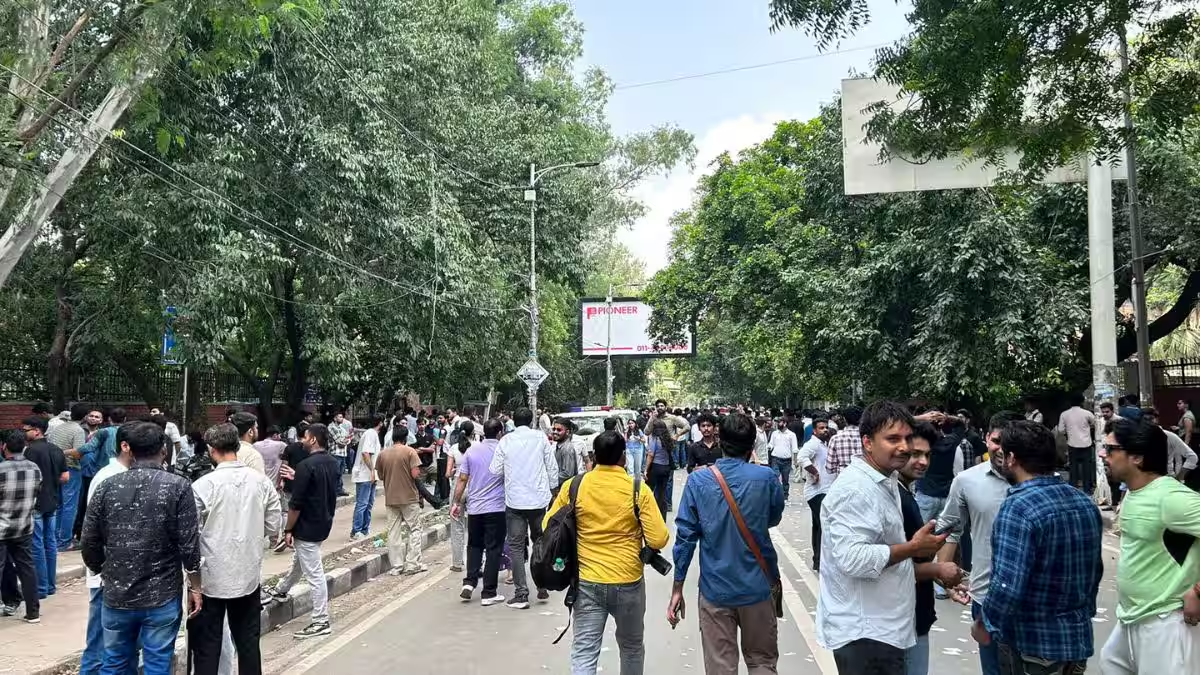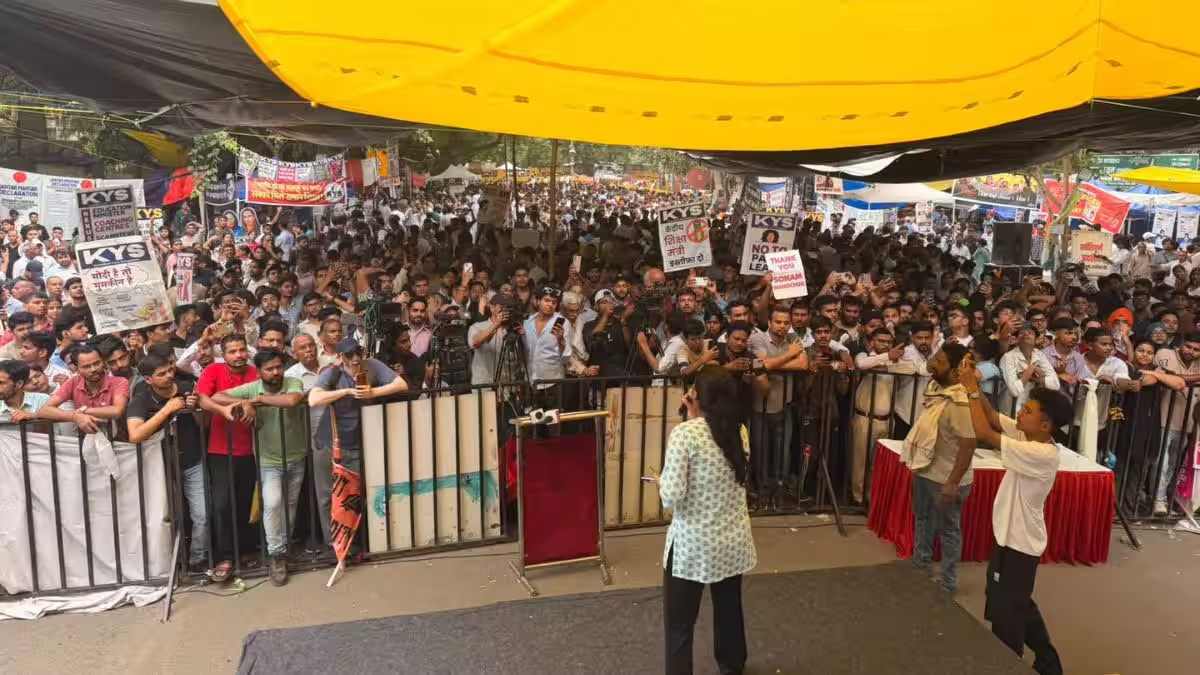
Abhijit Dipke, the founder of the Cockroach Janata Party (CJP), announced on Saturday that he has started an indefinite hunger strike. This decision came shortly after activist Sonam Wangchuk was moved by Delhi Police from the Jantar Mantar protest site to Safdarjung Hospital due to his deteriorating health.
Wangchuk had been fasting for 21 days in protest against alleged irregularities in the National Eligibility cum Entrance Test (NEET) and the deaths of students linked to the controversy. The police cited medical advice and a Delhi High Court directive as reasons for his hospitalization.
Background on the Protest and Hunger Strikes
The protests at Jantar Mantar have been led by the Cockroach Janata Party, with Sonam Wangchuk as a prominent activist. The movement began in response to claims of unfair practices in the NEET examination, which is a key medical entrance test in India. Additionally, the deaths of several students allegedly connected to the exam’s stress and irregularities have intensified the protests.
Wangchuk’s indefinite hunger strike started on June 28, aiming to draw attention to these issues and demand reforms. Other activists, including members of the All India Students Association (AISA), have also joined the hunger strike, maintaining their fasts even after Wangchuk’s hospitalization.
Key Facts About the Recent Developments
- Sonam Wangchuk was shifted to Safdarjung Hospital early Saturday following health concerns on the 21st day of his hunger strike.
- Delhi Police stated the transfer was necessary for "essential medical care" and urged protesters to leave the site peacefully.
- Abhijit Dipke announced his indefinite hunger strike immediately after Wangchuk’s hospitalization, signaling continued resistance.
- Dipke claimed he was beaten and detained by Delhi Police during a crackdown on protesters at Jantar Mantar.
- Other activists, including Neha, Aameen, and Manish from AISA, are continuing their hunger strikes despite the police action.
Why Dipke’s Hunger Strike Intensifies the Protest
Dipke’s decision to begin an indefinite hunger strike marks a significant escalation in the ongoing protest movement. His action highlights the protesters’ determination to keep pressure on authorities regarding the NEET examination concerns and the related student deaths.
The hospitalization of Wangchuk, a key figure in the protest, has raised questions about the handling of the situation by law enforcement and the government. Dipke’s hunger strike can be seen as a response to what protesters view as aggressive police tactics and an attempt to silence dissent.
The continued participation of other activists in hunger strikes suggests that the movement remains strong despite setbacks. This sustained protest effort may influence public opinion and potentially prompt government officials to address the demands more seriously.
Frequently Asked Questions
Q: What is the Cockroach Janata Party?
A: The Cockroach Janata Party (CJP) is a political group involved in protests against alleged irregularities in the NEET examination and related student deaths. It is known for organizing hunger strikes and demonstrations at Jantar Mantar.
Q: Why was Sonam Wangchuk hospitalized?
A: Sonam Wangchuk was hospitalized after 21 days of an indefinite hunger strike due to deteriorating health. Delhi Police transferred him to Safdarjung Hospital based on medical advice and a Delhi High Court order.
Q: What are the protesters demanding?
A: Protesters are calling for investigations and reforms related to the NEET examination, citing alleged irregularities and the deaths of students linked to the exam’s stress and administration.