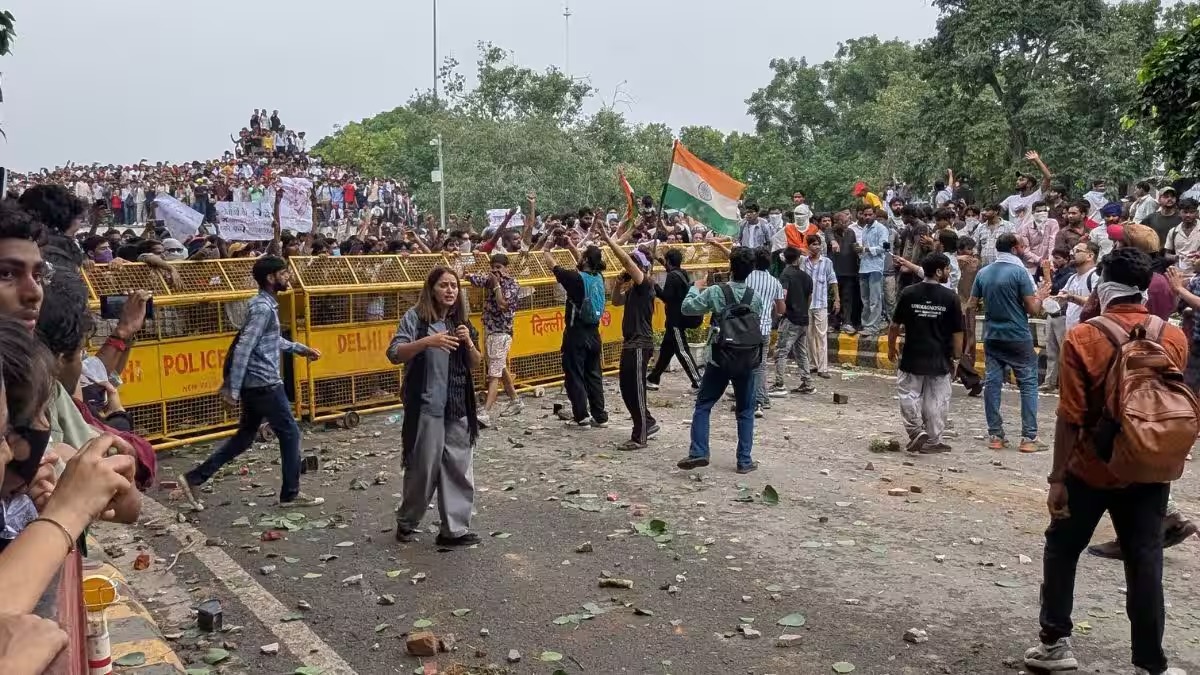
Thousands of students gathered near India's Parliament on Monday to demand the resignation of Education Minister Dharmendra Pradhan, protesting against a recent NEET exam paper leak and broader issues in the education system. The demonstration escalated when police used tear gas and batons to disperse the crowd, resulting in injuries on both sides. This police action sparked widespread criticism from prominent Bollywood figures who expressed solidarity with the students and condemned the use of force.
Understanding the Student Protests and Their Demands
The protests were organized primarily by the Cockroach Janta Party (CJP), a satirical digital group that has been leading the movement since late last month. Students are demanding accountability for the NEET exam paper leak, which compromised the integrity of one of India's most important medical entrance exams. Beyond this immediate issue, the protests also highlight systemic problems in the education sector, including examination failures, unequal access to quality education, teacher shortages, and the intense pressure students face.
Many students attempted to march toward the Parliament complex to make their voices heard but were met with resistance from Delhi Police, who used force to prevent their advance. The police reported injuries to over 118 personnel and around 60 protesters, along with damage to more than 20 police vehicles. The incident has intensified calls for reform and transparency within the education system.
Bollywood Voices Rally Behind the Students
- Diljit Dosanjh, currently in the US, condemned the police action as "very wrong" and urged authorities to listen to the students' demands. He also shared his own experiences of backlash for speaking out on social issues.
- Vir Das emphasized the importance of artists supporting youth causes, criticizing the entertainment industry's silence on political matters affecting young people.
- Riteish and Genelia Deshmukh called the youth the "heartbeat of our democracy" and stressed the need to empower and listen to them without fear.
- Sonu Sood advocated for compassion toward protesting students, suggesting they should be embraced rather than met with violence.
- Bhumi Pednekar acknowledged the need for education reform and condemned violence against students, urging meaningful dialogue.
- Sonakshi Sinha highlighted the physical toll on students, noting broken bones sustained during the protests.
- Anurag Kashyap criticized the police for compromising their conscience by using excessive force against peaceful protesters.
- Huma Qureshi expressed sadness over the harsh police response and called for patience, dialogue, and accountability from the government.
- Soha Ali Khan praised the courage of the students and underscored the importance of freedom to question and protest peacefully.
- Aditi Rao Hydari stressed the need for a respectful and empathetic environment for students to express their concerns.
- Pooja Bhatt described police brutality as a deliberate state tactic to silence dissent, warning against masking violence under the guise of maintaining law and order.
Why This Moment Matters for India's Youth and Democracy
The protests and the response to them reflect deeper tensions in India's education system and democratic processes. The NEET paper leak scandal has shaken confidence in the fairness of competitive exams that determine students' futures. The students' demands for transparency and reform resonate with many who see the current system as flawed and inequitable.
The police crackdown has raised serious questions about the right to peaceful protest and the state's approach to dissent. The involvement of well-known public figures amplifies the conversation, drawing national and international attention to the issues at stake. For many young Indians, this moment symbolizes a broader struggle for accountability, respect, and meaningful participation in shaping the country's future.
As security measures tighten in the capital, the government faces growing pressure to address the root causes of the unrest and engage in constructive dialogue with students and educators. The outcome of this movement could influence not only education policy but also the health of democratic engagement in India.
Frequently Asked Questions
Q: What triggered the student protests near Parliament?
A: The protests were sparked by a leak of the NEET exam paper and ongoing concerns about irregularities and systemic issues in India's education system.
Q: How did the police respond to the student march?
A: Delhi Police used tear gas and batons to disperse the students attempting to march to Parliament, resulting in injuries and damage to police vehicles.
Q: Which celebrities have supported the protesting students?
A: Prominent figures like Diljit Dosanjh, Vir Das, Sonakshi Sinha, Anurag Kashyap, and others have voiced support, condemning police violence and calling for education reform.