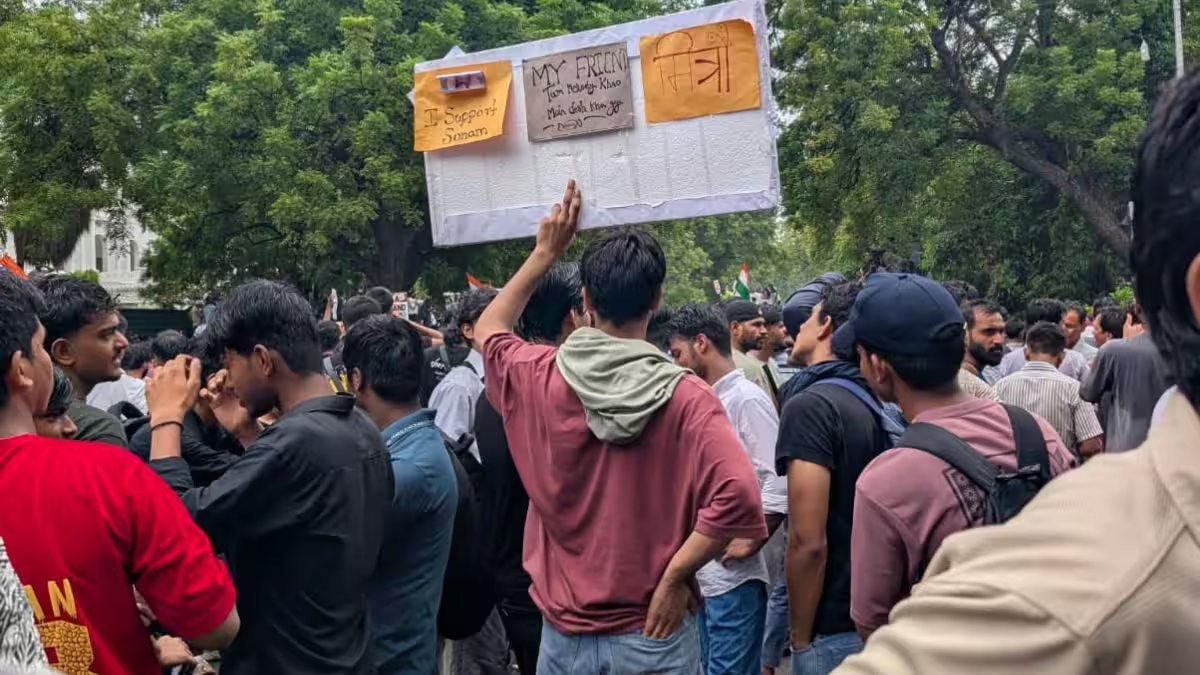
The Cockroach Janta Party (CJP) has announced a nationwide call for peaceful protests tomorrow, urging students and supporters to unite against police brutality and demand reforms in the education system. This wave of demonstrations comes amid growing unrest over leaked exam papers and concerns about the integrity of public education institutions.
Authorities have responded with heightened security measures, including an internet shutdown within a 1.5 km radius of Jantar Mantar in New Delhi, a key protest site. The government has also extended special powers to the Delhi Police Commissioner under the National Security Act, 1980, to maintain order during the protests.
Understanding the Student Protests and Their Origins
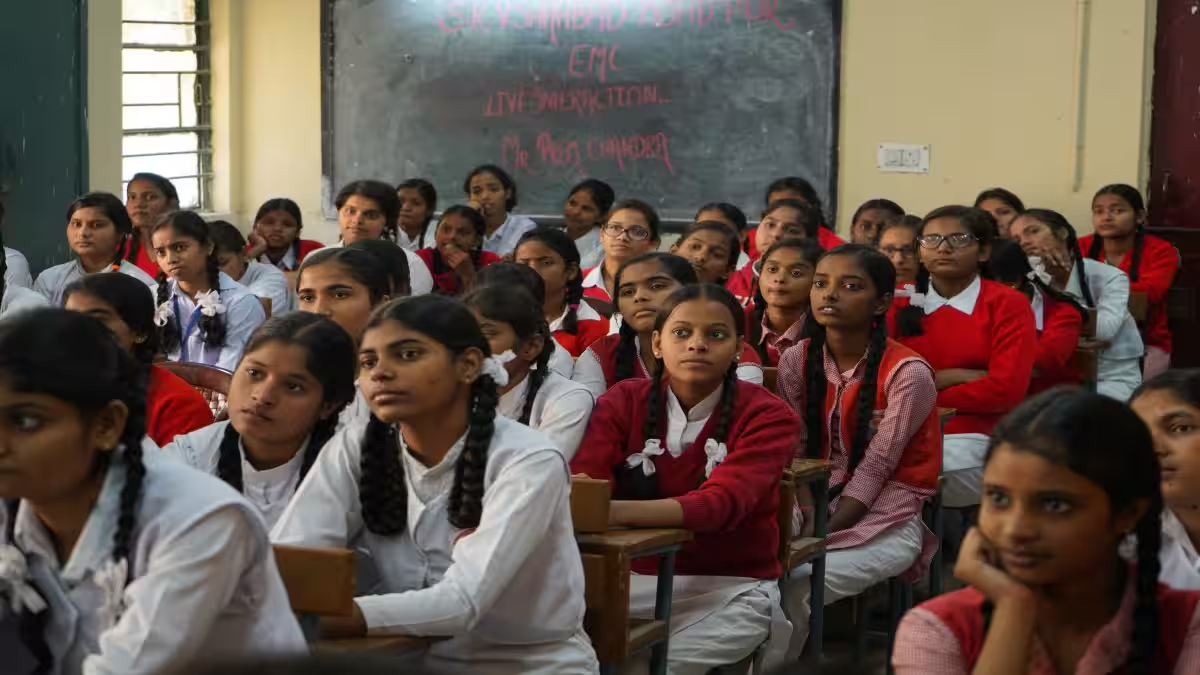
The protests began as a response to multiple exam paper leaks, notably involving the National Eligibility cum Entrance Test (NEET), which is critical for medical college admissions in India. Students and activists argue that these leaks undermine the fairness and credibility of the education system, calling for comprehensive reforms to prevent such incidents in the future.
The Cockroach Janta Party has positioned itself as a key organizer, encouraging student unions and other groups to collaborate in securing permissions and managing logistics for peaceful demonstrations. Activist Sonam Wangchuk has emphasized nonviolence, warning against provocations by so-called "antisocial elements" seeking to disrupt the peaceful nature of the protests.
Key Facts About the Protests and Responses
- The Centre has imposed an internet shutdown near Jantar Mantar to curb the spread of misinformation during protests.
- The Delhi Police Commissioner’s powers under the National Security Act have been extended to manage the situation.
- The Bar Council of India (BCI) has appealed to professionals across sectors to engage with students and discourage violence and misinformation.
- Supreme Court lawyers have expressed support for the protesting youth.
- Student groups from various regions, including Meghalaya and West Bengal, have shown solidarity and planned rallies.
- Violent clashes occurred in Bihar’s Katihar district, where students protesting the NEET leak were baton-charged after throwing stones at police.
- Political figures like Shiv Sena (UBT) leader Aaditya Thackeray have announced solidarity marches demanding the resignation of the Union Education Minister.
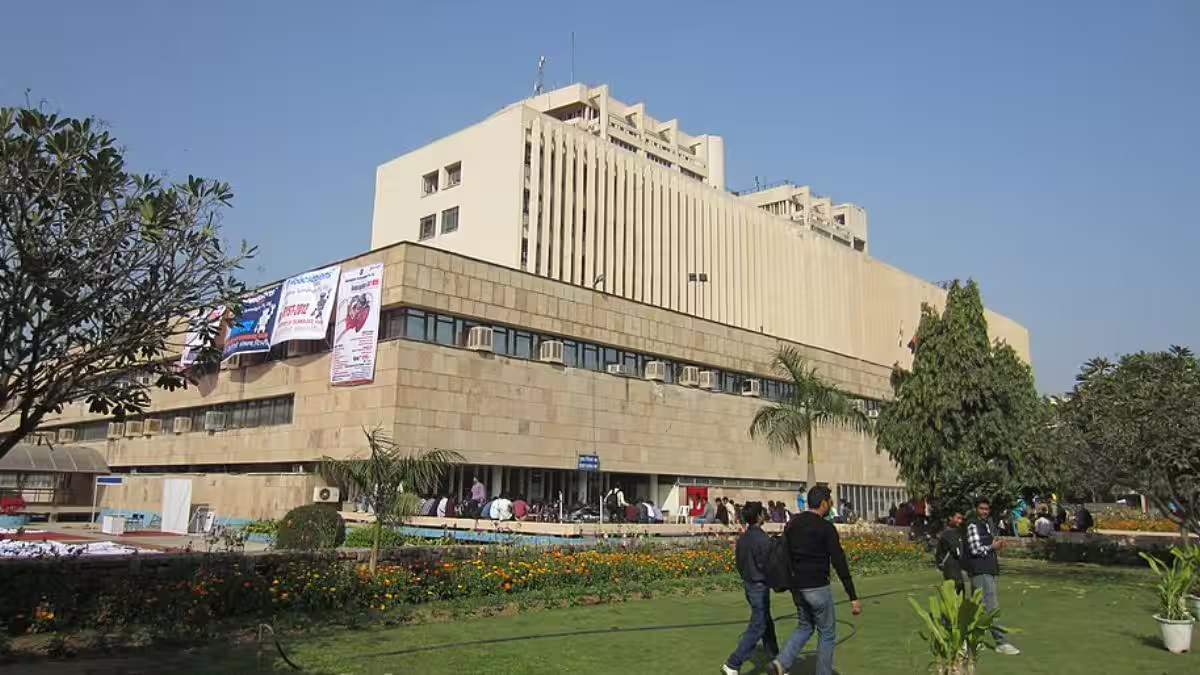
- Educational institutions such as Delhi University and IIT Madras have issued statements urging students to avoid unlawful protests and have taken steps to limit protest-related social media content.
Why These Protests Matter for India’s Education Future
The ongoing demonstrations highlight deep-rooted frustrations among students about the transparency and fairness of India’s examination system. The leaks have not only jeopardized the careers of thousands but also shaken public confidence in educational institutions. The call for reforms is about more than just preventing paper leaks; it reflects a demand for systemic change to ensure equal opportunities and integrity in education.
Government responses, including internet restrictions and enhanced police powers, have sparked debates about balancing security with democratic rights to protest. The involvement of legal professionals and intellectuals in guiding students away from violence underscores the complexity of the situation.
Meanwhile, the mixed reactions from universities reveal tensions between supporting student voices and maintaining institutional order. The protests have also drawn attention from celebrities and public figures, amplifying the movement’s visibility nationwide.
Frequently Asked Questions
Q: What triggered the current student protests across India?
A: The protests were sparked by multiple leaks of important exam papers, particularly the NEET medical entrance exam, which raised concerns about fairness and integrity in the education system.
Q: How has the government responded to the protests?
A: The government has imposed internet shutdowns near protest sites, extended police powers under the National Security Act, and increased security measures to manage the demonstrations.
Q: Are all educational institutions supporting the protests?
A: Responses vary; some institutions like Delhi University and IIT Madras have urged students to avoid unlawful protests and have taken steps to limit protest-related social media activity, while others have expressed sympathy for the students’ concerns.