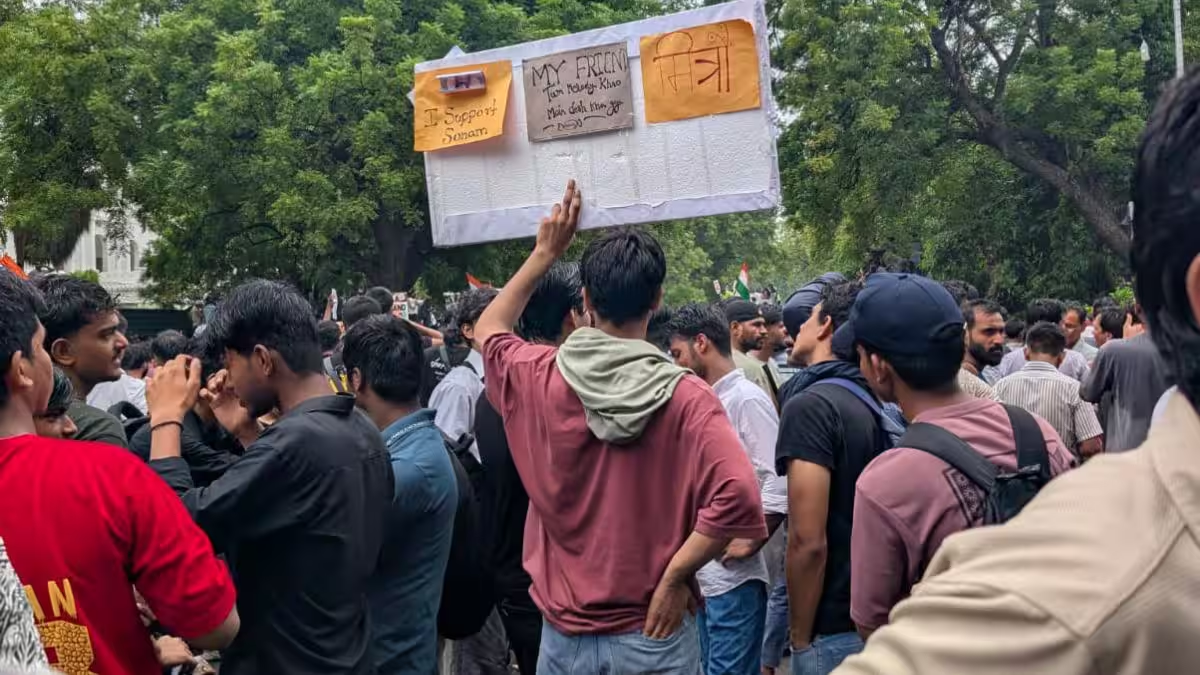
On the first day of the Monsoon session, both Houses of India's Parliament were repeatedly disrupted by opposition protests centered on the alleged leak of the NEET-UG 2026 examination paper. The unrest extended beyond the parliamentary complex, where thousands of protesters, led by the Cockroach Janta Party (CJP), clashed with security forces while demanding the resignation of Education Minister Dharmendra Pradhan.
What Sparked the Protests and Parliamentary Chaos
The National Eligibility cum Entrance Test (NEET) is a crucial medical entrance exam in India, determining admission to medical colleges nationwide. Allegations surfaced that the NEET-UG 2026 question paper was leaked, raising concerns about the exam's integrity and the future of lakhs of students preparing for medical careers. Opposition parties seized on this issue to demand accountability and immediate government action.
On Monday, opposition MPs in both the Lok Sabha and Rajya Sabha raised slogans and displayed placards demanding a discussion on the paper leak. They also brought up other issues such as alleged donation theft related to the Ram temple in Ayodhya. The protests led to multiple adjournments—six in the Lok Sabha and five in the Rajya Sabha—disrupting the day's proceedings.
Key Events and Facts from the Day's Unrest
- Thousands of protesters gathered near Parliament, attempting to march inside but were stopped by security personnel.
- Security forces used baton charges and tear gas to disperse crowds near key government buildings close to Parliament, including the Constitution Club and Reserve Bank of India.
- Opposition Leader Mallikarjun Kharge highlighted the issue in Rajya Sabha, condemning police action against students at Jantar Mantar and accusing the government of suppressing the matter.
- Law Minister Arjun Ram Meghwal introduced a bill to increase Supreme Court judges from 34 to 38, but a bill on punishing insults to 'Vande Mataram' could not be introduced due to disruptions.
- Opposition members protested loudly during obituary references and other formal proceedings, forcing repeated adjournments.
- Congress leaders Priyanka Gandhi Vadra and Rahul Gandhi criticized the government’s handling of the protests and called for a parliamentary discussion and Prime Minister Narendra Modi’s response.
Why the NEET Paper Leak Protests Matter
The NEET exam is a gateway for medical education in India, affecting thousands of students’ futures. Allegations of a paper leak undermine public trust in the examination system and raise questions about fairness and transparency. The opposition’s forceful protests reflect widespread frustration among students and political groups demanding accountability.
The disruptions in Parliament highlight the political sensitivity of the issue and the pressure on the government to address it promptly. The protests also underscore broader concerns about governance, law enforcement’s response to peaceful demonstrations, and the need for dialogue on education reforms.
With the Monsoon session underway, the government faces mounting calls to investigate the leak thoroughly, ensure the integrity of future exams, and engage with student representatives to restore confidence in the system.
Frequently Asked Questions
Q: What is the NEET exam and why is it important?
A: NEET (National Eligibility cum Entrance Test) is the standardized medical entrance exam in India, determining admission to medical colleges across the country. It is critical for students aspiring to become doctors.
Q: What caused the protests in Parliament?
A: The protests were triggered by allegations that the NEET-UG 2026 exam paper was leaked, leading opposition parties and student groups to demand accountability and the resignation of the Education Minister.
Q: How did security forces respond to the protests?
A: Security personnel used baton charges and tear gas to disperse protesters who tried to march near the Parliament complex, leading to clashes and heightened tensions outside the Houses of Parliament.