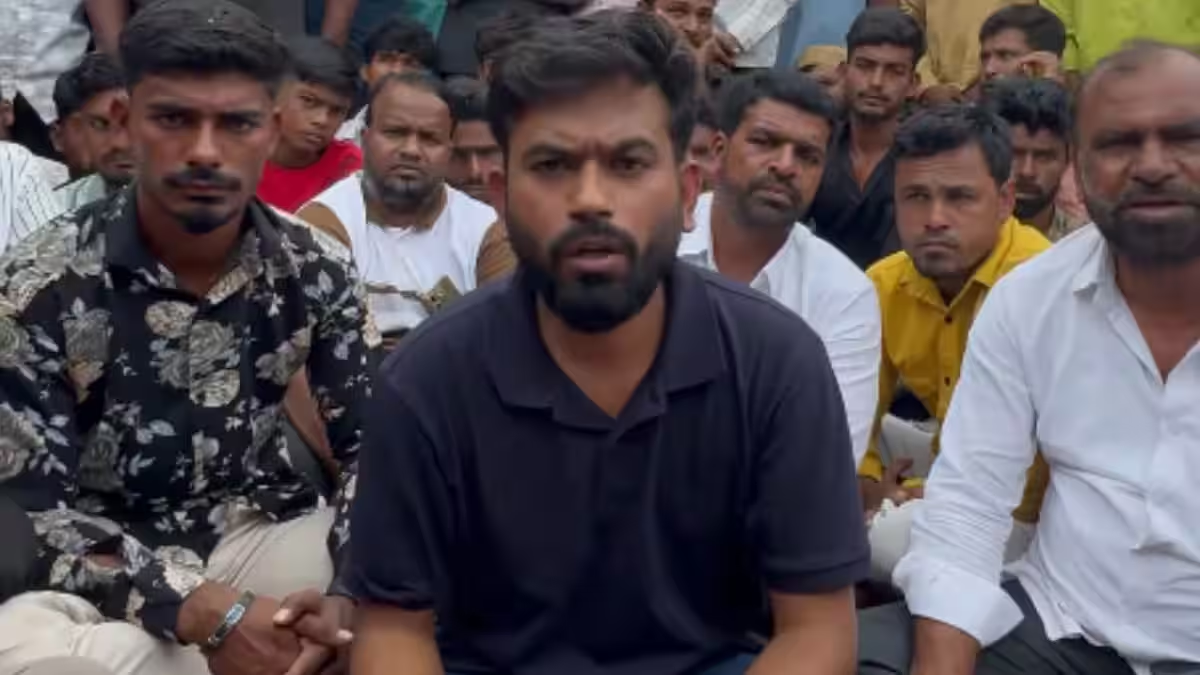
The Cockroach Janta Party (CJP) has publicly criticized the Union Government for not fulfilling promises made to India's youth, particularly regarding the withdrawal of FIRs against students and protesters and compensation for families of NEET victims. The party announced that its National Working Committee will convene on August 24 to evaluate the situation and determine future actions.
Understanding the CJP's Youth Commitments
The CJP, a political group active in youth advocacy, had called off a nationwide protest on July 25 after receiving assurances from the government. These assurances included the withdrawal or quashing of all FIRs filed against students and peaceful protesters involved in demonstrations. The party had agreed to pause its agitation in good faith, expecting the government to honor these commitments promptly.
One of the central issues raised by the CJP involves the handling of FIRs registered during protests. The Supreme Court, during a hearing on August 18, requested the Union Government three separate times to provide a consolidated list of these FIRs. This list would allow the court to consider using its authority under Article 142 to quash the cases. However, the government has yet to comply with this request, raising concerns about transparency and accountability.
Key Facts About the CJP’s Concerns
- The CJP’s National Working Committee is scheduled to meet on August 24 to decide on the next steps.
- The party’s agitation was suspended on July 25 based on government assurances.
- The Supreme Court has repeatedly asked the government for a list of FIRs against protesters but has not received it.
- CJP leaders, including co-convenor Saurav Das and legal affairs lead Ratna Singh, have expressed fears that the government is reneging on its promises.
- Compensation for families of students who died during NEET protests remains unaddressed.
- The government has not formally communicated any progress on providing written assurances regarding these commitments.
Why the CJP’s Demands Matter for Youth and Protesters
The CJP’s insistence on the government honoring its commitments highlights ongoing tensions between youth activists and authorities. The failure to withdraw FIRs or provide compensation undermines trust and could discourage peaceful protest participation in the future. The party’s warning that it may resume nationwide agitation underscores the seriousness of the issue for young citizens.
Moreover, the unresolved status of NEET victim compensation adds a human dimension to the political dispute. Families affected by these tragedies seek recognition and support, which the government has yet to formally address. The CJP’s call for transparency and accountability reflects broader concerns about how youth voices and grievances are handled in India’s democratic process.
As the National Working Committee prepares to meet, the outcome could influence the trajectory of youth activism and government engagement in the country. The situation remains fluid, with many watching closely to see if promises made during earlier talks will be fulfilled or if protests will resume.
Frequently Asked Questions
Q: What are FIRs, and why is their withdrawal important?
A: FIRs, or First Information Reports, are official police records of complaints or charges. The withdrawal of FIRs against students and protesters is important to prevent legal action and punitive measures against those who participated in peaceful demonstrations.
Q: Who are the NEET victims mentioned by the CJP?
A: NEET victims refer to students who died during protests against the National Eligibility cum Entrance Test (NEET), an exam for medical college admissions. The CJP demands compensation for the families of these students as part of the government’s commitments.
Q: What could happen after the CJP’s National Working Committee meeting?
A: The committee will assess the government’s response and decide whether to resume peaceful nationwide protests or take other actions to ensure the commitments made to youth are honored.