CRISIL Ratings has upgraded the long-term credit rating of Vedanta Oil and Gas Limited (VOGL) to 'CRISIL AA+' from 'CRISIL A+', assigning a stable outlook. This change follows the recent demerger of Vedanta Ltd.'s businesses, which has clarified the ownership and financial support structure within the Vedanta group.
The rating agency also revised the ratings on ₹330 crore of bank facilities to 'CRISIL AA+/CRISIL A1+' from the previous credit-enhanced ratings. Additionally, CRISIL withdrew ratings on certain short-term and long-term bank facilities after receiving no-objection certificates from lenders, in line with its withdrawal policy.
Understanding the Vedanta Demerger and Credit Rating Upgrade
The upgrade comes after Vedanta Ltd. completed the demerger of its businesses effective May 1, 2026. This restructuring transferred Vedanta’s oil and gas operations to VOGL, while other businesses like met coke and Nicomet were allocated to different group entities. The parent company, Vedanta Resources Limited (VRL), now holds a 56.4% stake in VOGL.
CRISIL’s decision to upgrade VOGL’s rating reflects a shift in its analytical approach. The agency adopted a group notch-up framework, recognizing the management’s intent to operate the group’s businesses in an integrated manner. This framework considers the financial flexibility available across the group to support weaker entities if necessary, providing greater confidence in VOGL’s creditworthiness.
Key Facts About Vedanta Oil and Gas and the Rating Change
- Long-term bank facilities worth ₹670 crore were upgraded to 'CRISIL AA+' from 'CRISIL A+'.
- ₹330 crore of bank facilities were migrated to 'CRISIL AA+/CRISIL A1+' from credit-enhanced ratings.
- Ratings on ₹90 crore of short-term and ₹15 crore of long-term facilities were withdrawn after lender approval.
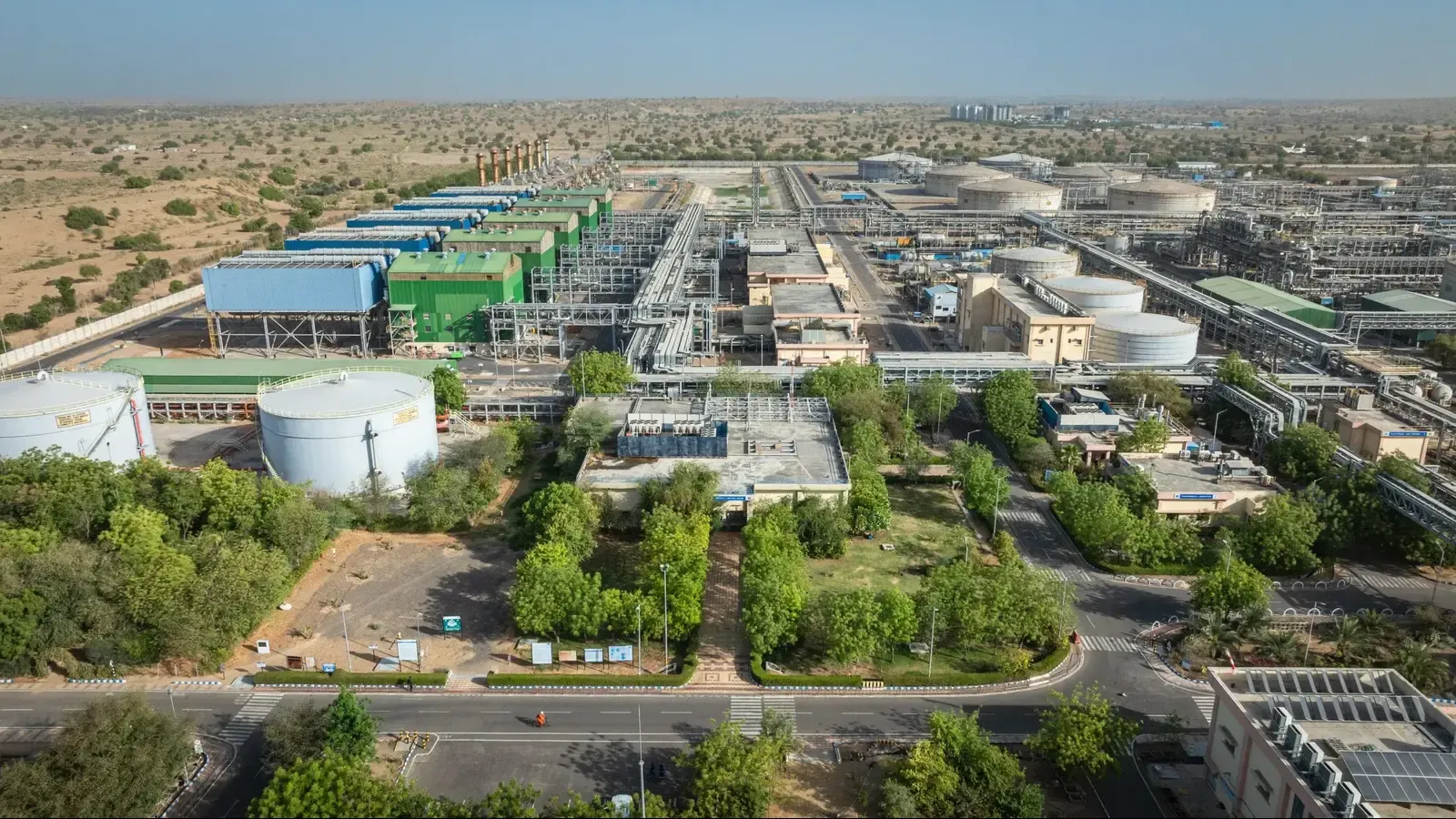
- VOGL operates 44 blocks covering over 47,000 square kilometers with production around 87 kilo barrels of oil equivalent per day (kboepd) in fiscal 2026.
- More than 80% of VOGL’s production comes from its Rajasthan assets.
- The company benefits from a competitive cost structure and a production-sharing contract framework that prioritizes cost recovery before profit sharing.
- VOGL continues exploration efforts to sustain production and replace reserves over the medium term.
Why the Upgrade Matters for Vedanta and Investors
The upgrade signals stronger business and financial risk profiles for VOGL following the demerger. As one of India’s largest private oil and gas producers, VOGL’s improved rating reflects its solid reserve base, established assets, and efficient operations. The stable outlook indicates CRISIL’s confidence in the company’s ability to maintain its financial health.
However, CRISIL also noted a gradual decline in production volumes in recent years, which remains a factor to watch. The company’s ongoing exploration programs aim to address this challenge by supporting production sustainability and reserve replacement.
For investors and market watchers, the rating upgrade enhances VOGL’s credibility and may positively influence its borrowing costs and investor perception. It also provides greater transparency about the Vedanta group’s support framework and operational strategy after the demerger.
Frequently Asked Questions
Q: What triggered CRISIL’s upgrade of Vedanta Oil and Gas’ credit rating?
A: The upgrade followed the demerger of Vedanta Ltd.’s businesses, which clarified the ownership and financial support structure. CRISIL also adopted a group notch-up framework recognizing the integrated operation and financial flexibility within the Vedanta group.
Q: How does the demerger affect Vedanta Oil and Gas?
A: The demerger transferred Vedanta’s oil and gas operations to VOGL, making it a focused entity with a strong asset base and clearer ownership. This restructuring helped improve the company’s credit profile.
Q: What are the main strengths of Vedanta Oil and Gas highlighted by CRISIL?
A: CRISIL cited VOGL’s large acreage, established producing assets, competitive operating costs, and a production-sharing contract framework that ensures cost recovery before profit sharing. The company’s ongoing exploration efforts also support future production sustainability.