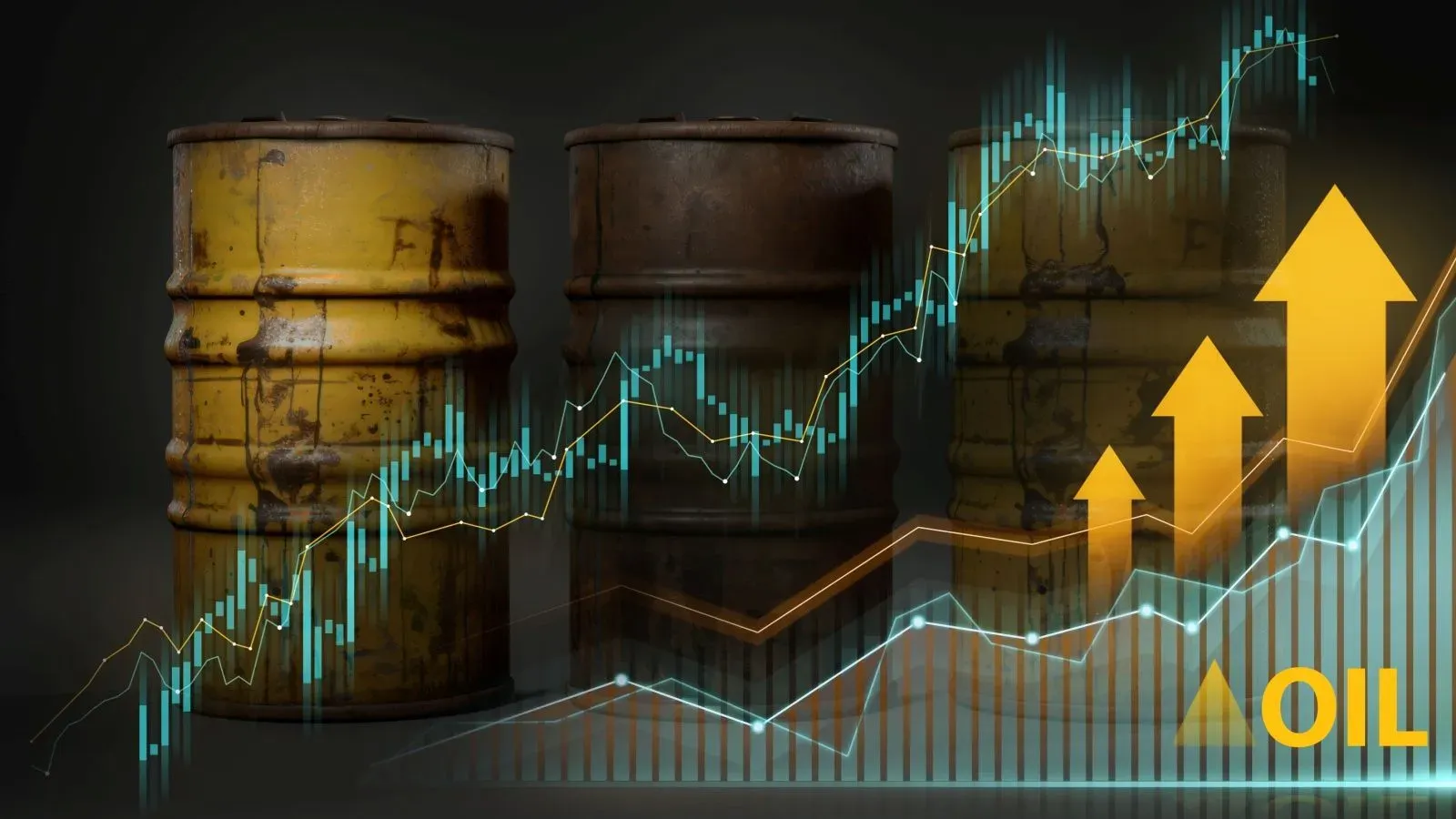
Crude oil prices climbed sharply above $85 per barrel on Tuesday, marking a nearly 14% increase over just two days. This surge comes amid renewed military tensions between the United States and Iran, with President Donald Trump notifying Congress that "limited" military action against Iran has resumed. The escalation has sparked concerns about potential disruptions to global oil supplies.
Brent crude, the international benchmark, was trading at $84.89 per barrel by mid-morning on July 14, up 1.94% from the previous close. Meanwhile, the US West Texas Intermediate (WTI) crude rose 2.12% to $79.79 per barrel. These price jumps reflect growing investor anxiety about the stability of oil exports from the Middle East.
Understanding the Oil Market and Geopolitical Risks
Crude oil is a vital global commodity, fueling transportation, industry, and energy production worldwide. Prices are highly sensitive to geopolitical events, especially in regions like the Middle East, which holds a significant share of the world's oil reserves and exports.
When tensions flare between major oil-producing countries, markets often react swiftly due to fears that supply chains could be interrupted. Military conflicts, sanctions, or political instability can reduce the availability of oil, driving prices higher. The recent US-Iran conflict is a prime example, as Iran is a key player in the global oil market.
Key Facts Behind the Recent Price Surge
- Brent crude prices increased nearly 14% to reach $85.66 per barrel since markets reopened on July 13.
- President Trump informed Congress that the US has resumed "limited" military action against Iran, escalating tensions.
- Brent crude was trading at $84.89 per barrel on July 14, up 1.94% from the previous day.
- West Texas Intermediate crude rose 2.12% to $79.79 per barrel on the same day.
- Investors are concerned about potential supply disruptions due to ongoing conflict in the Middle East.
Why This Price Rally Matters for the Global Economy
Rising crude oil prices can have wide-reaching effects beyond the energy sector. Higher oil costs often translate into increased prices for gasoline, heating, and goods transportation, which can contribute to inflation. Consumers may face higher fuel bills, and businesses could see operating costs rise.
For oil-exporting countries, elevated prices can boost revenues and economic growth. However, for oil-importing nations, the surge can strain budgets and slow economic recovery, especially in a fragile global environment.
The current spike highlights how geopolitical instability remains a key risk factor for energy markets. Traders and policymakers will be closely watching developments between the US and Iran, as any further escalation could push prices even higher or disrupt supply chains more severely.
Frequently Asked Questions
Q: What caused crude oil prices to rise so quickly?
A: The recent sharp increase was triggered by renewed US military actions against Iran, raising fears of supply disruptions from the Middle East, a major oil-producing region.
Q: How do rising oil prices affect everyday consumers?
A: Higher crude prices usually lead to increased fuel and energy costs, which can raise prices for transportation, goods, and heating, impacting household budgets.
Q: Could oil prices continue to rise further?
A: Yes, if geopolitical tensions escalate or supply disruptions occur, oil prices could increase further. However, prices also depend on global demand and other market factors.