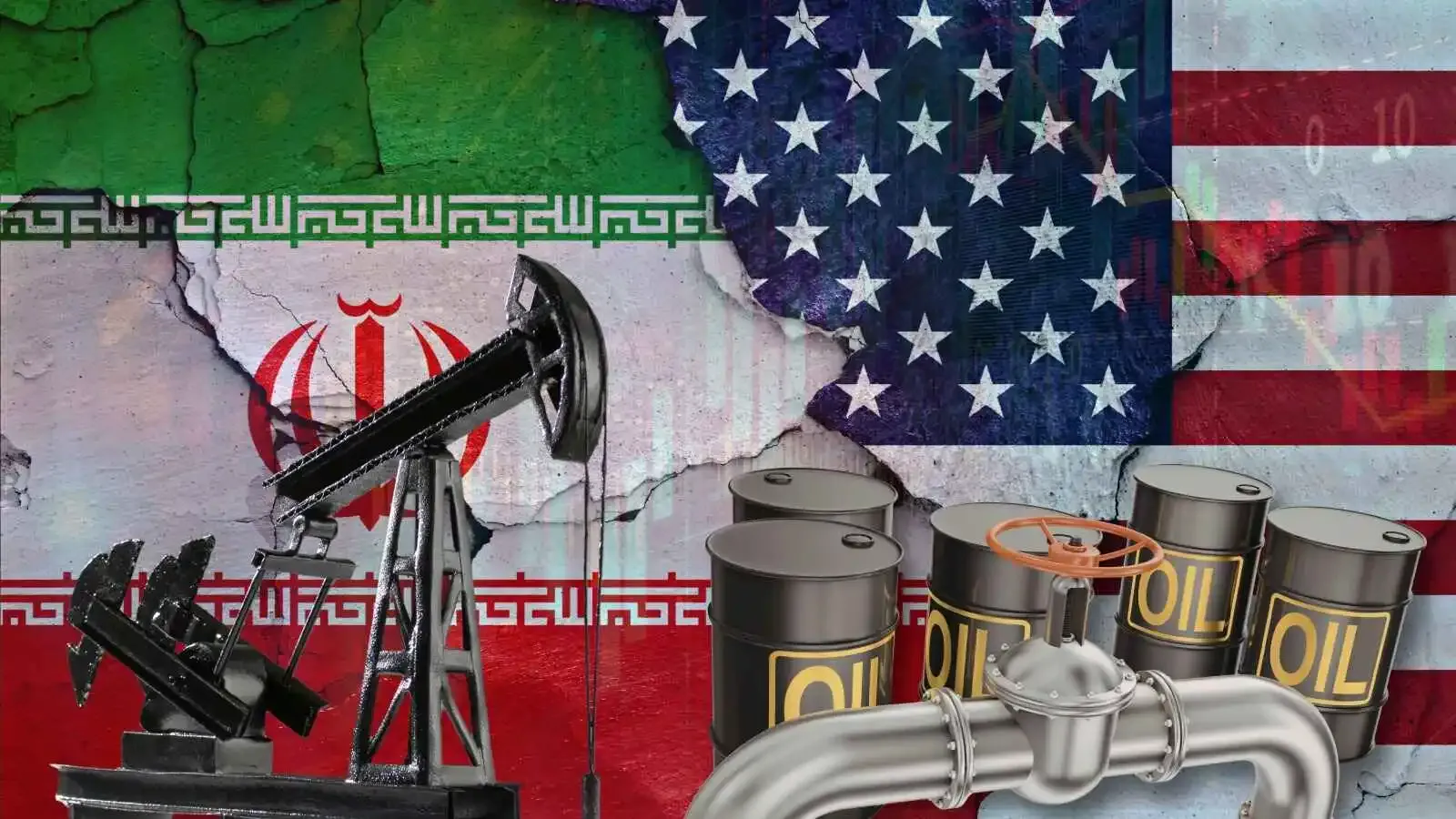
Crude oil prices experienced a sharp 5% increase on Monday, July 13, reaching an intraday high of $79.80 per barrel. This surge came amid escalating military tensions between the United States and Iran, with both nations exchanging missile and drone strikes over the weekend. Reports also emerged that Iran had closed the Strait of Hormuz, a critical maritime route for global oil shipments, intensifying concerns about potential disruptions to oil supplies.
Understanding the Strait of Hormuz and Its Importance
The Strait of Hormuz is a narrow waterway located between the Persian Gulf and the Gulf of Oman. It serves as a vital passage for approximately 20% of the world’s petroleum trade, making it one of the most strategically significant chokepoints for global energy markets. Any disruption in this area can have immediate and far-reaching effects on oil prices worldwide.
Because a significant volume of crude oil passes through this strait daily, geopolitical instability in the region often triggers volatility in energy markets. The recent closure announcement by Iran, whether temporary or symbolic, heightened fears among traders and investors about the security of oil shipments, contributing to the price spike.
Key Facts Behind Monday’s Price Jump
- Brent crude oil futures rose 5% to $79.80 per barrel during Monday’s trading session.
- West Texas Intermediate (WTI) crude prices climbed 3.6% to $73.99 per barrel, hitting an intraday peak above $75.
- The United States launched a fresh round of attacks on Iranian military targets on Sunday, aiming to reduce Iran’s capability to threaten international shipping.
- Iran responded with attacks on locations in Qatar, Kuwait, and Bahrain, condemning the US strikes as aggressive.
- Despite Iran’s claim of closing the Strait of Hormuz, US officials maintain that the route remains open.
- Oil prices have increased nearly 10% over the past five trading sessions but remain down 9.7% over the last month and 20% over the past three months.
Why This Escalation Matters for Global Energy Markets
The renewed conflict between the US and Iran threatens to destabilize an already fragile geopolitical landscape in West Asia. The absence of a ceasefire agreement and the failure to reach a peace deal within the 60-day window outlined in a prior memorandum of understanding have left markets jittery. Investors are closely watching developments, aware that any further escalation could severely disrupt oil supplies and push prices even higher.
Higher oil prices can have widespread economic consequences, including increased fuel costs for consumers and higher production expenses for industries reliant on energy. The uncertainty also complicates efforts to stabilize global markets and undermines hopes for a diplomatic resolution to the ongoing conflict that began with attacks in late February 2026.
US President Donald Trump recently declared the ceasefire "over" and warned of worsening tensions if Iran continues to threaten shipping lanes. This hardening stance further dims prospects for peace and adds to market volatility.
Frequently Asked Questions
Q: Why is the Strait of Hormuz so important for oil prices?
A: The Strait of Hormuz is a key shipping route through which about 20% of the world’s oil passes. Any disruption there can limit supply and cause oil prices to rise sharply.
Q: What triggered the recent spike in crude oil prices?
A: The price jump was driven by military exchanges between the US and Iran, including missile and drone attacks, and reports that Iran closed the Strait of Hormuz, raising fears of supply disruptions.
Q: How might these tensions affect the global economy?
A: Rising oil prices can increase costs for transportation and manufacturing, potentially leading to higher consumer prices and slower economic growth worldwide.