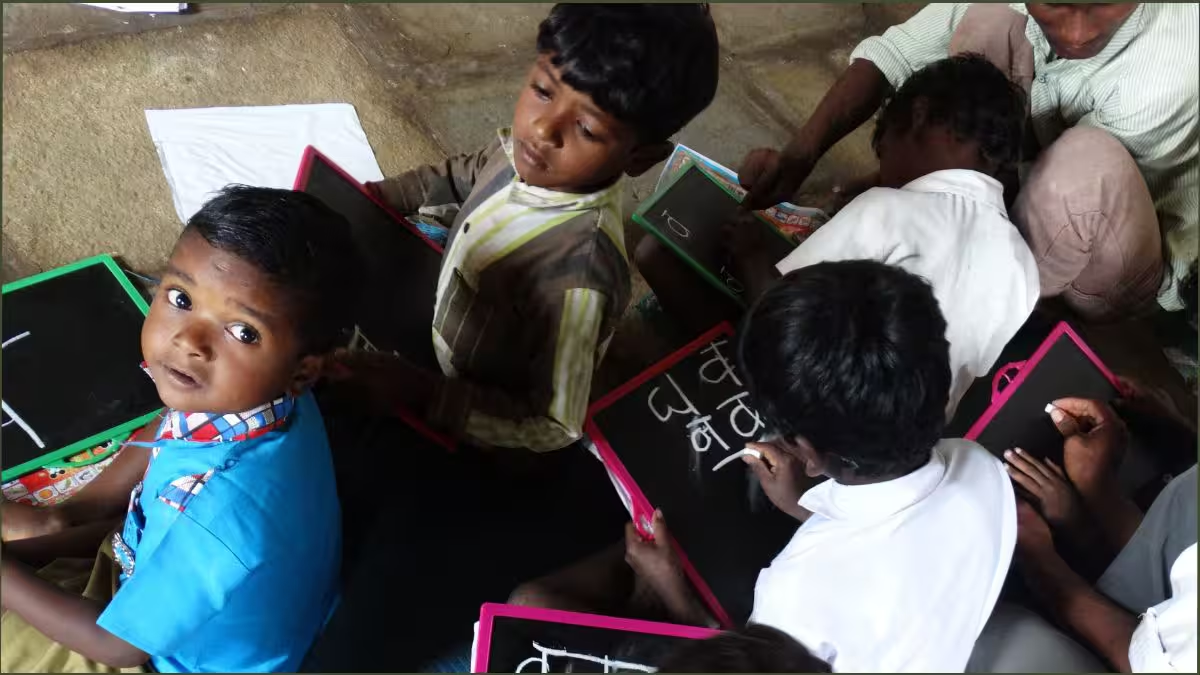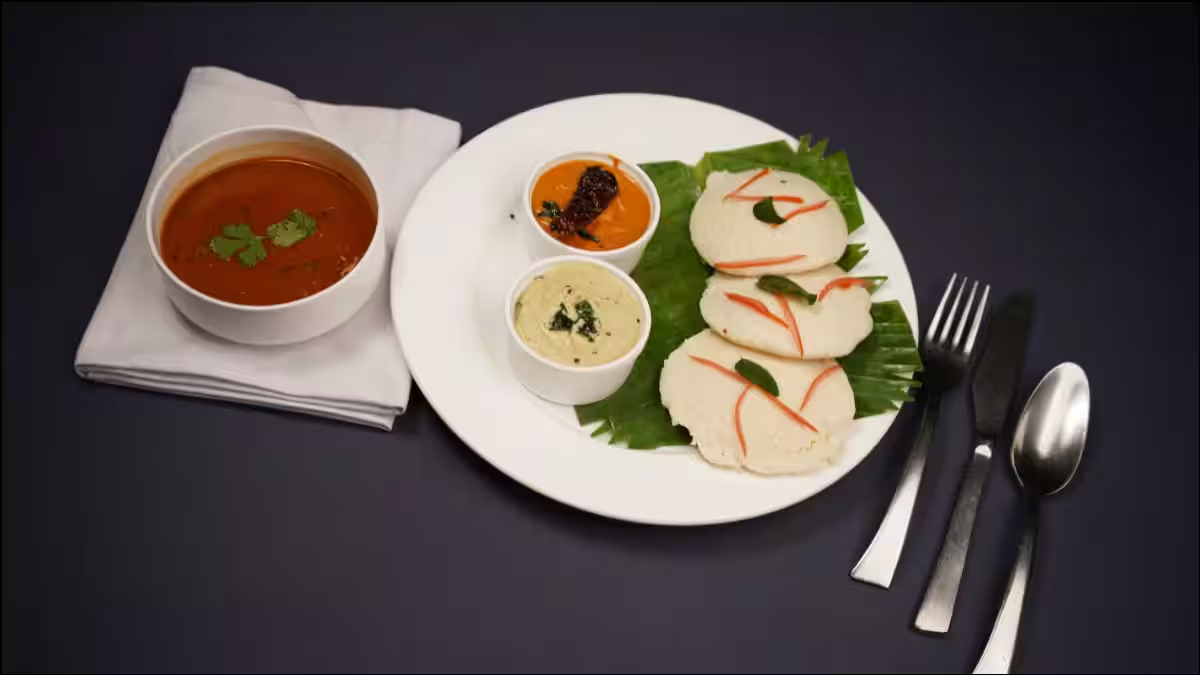
Delhi government schools have not yet started serving idli-sambar, a key item in the revised PM-POSHAN menu announced in August. The delay is primarily due to a lack of necessary kitchen equipment and infrastructure. Until these facilities are in place, schools continue to serve meals based on the previous menu.
- Idli-sambar introduction delayed due to equipment shortages.
- Schools currently serve meals from the old menu, including aloo-puri and dalia.
- Implementing new menu items requires coordination among agencies, equipment, and trained staff.
- Revised menu was to be operational by August 24, but challenges remain.
- Directorate of Education monitors compliance and meal quality.
Why has the revised PM-POSHAN menu not been implemented yet?
The revised menu, which includes idli-sambar, was announced in August with a deadline for implementation by August 24. However, schools lack the specific equipment needed to prepare idlis, such as idli steamers. Without this equipment and trained kitchen staff, it is difficult to prepare and serve the new dishes. Agencies catering to multiple schools face logistical challenges in arranging ingredients, equipment, and manpower to serve the revised menu consistently.
What meals are currently being served in Delhi government schools?
Since the revised menu has not been fully implemented, schools continue to serve meals from the old menu. These include items like aloo-puri, curry-rice, halwa, and dalia. School Management Committee members have confirmed that the new menu items have not yet appeared in daily meals.
What does the revised PM-POSHAN menu include?
The revised six-day menu under the PM-POSHAN scheme includes poori with black chana gravy and mashed vegetables, idli with sambar, rice with chhole and mashed vegetables, poori with chhole and mashed vegetables, rice with dal, and rice with kadhi. Additionally, ragi halwa has been replaced with wheat flour and chana masala, and vegetable dalia has been substituted with jowar and bajra. These changes aim to improve nutritional value and variety for students.
How are agencies and schools managing the transition?
Implementing the new menu requires coordination among catering agencies, schools, and the Directorate of Education (DoE). Agencies responsible for multiple schools must procure specialized equipment, arrange ingredients, and train kitchen staff. The DoE has directed zonal and district education officers to monitor compliance through inspections and random food sampling to ensure meal quality and nutritional adequacy.
What steps is the Directorate of Education taking?
The DoE issued an order revising the weekly menu and set deadlines for implementation. It also allowed flexibility for agencies to serve different approved menu items in different schools on the same day, depending on ingredient availability and logistics. The department continues to monitor the situation and has not yet confirmed full implementation of the revised menu.
Frequently Asked Questions
Q: Why is idli-sambar important in the revised menu?
A: Idli-sambar is a nutritious and popular South Indian dish included to diversify and enhance the meal options under the PM-POSHAN scheme.
Q: When will idli-sambar be introduced in schools?
A: While the target date was August 24, delays due to equipment shortages mean the introduction is still pending. Agencies are working to meet requirements as soon as possible.
Q: Are all schools affected by this delay?
A: Yes, government schools across Delhi are currently serving the old menu until the necessary arrangements are made.
Q: How is meal quality being ensured during this period?
A: The Directorate of Education continues inspections and random food sampling to monitor meal quality and nutritional adequacy despite the menu delays.