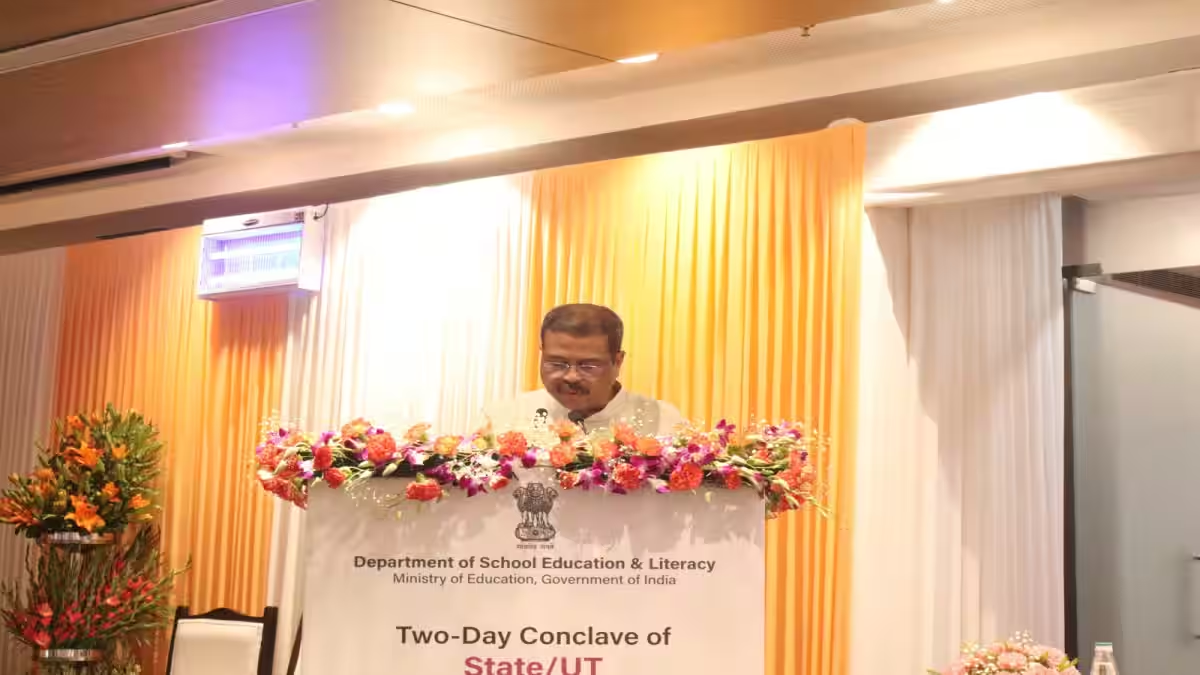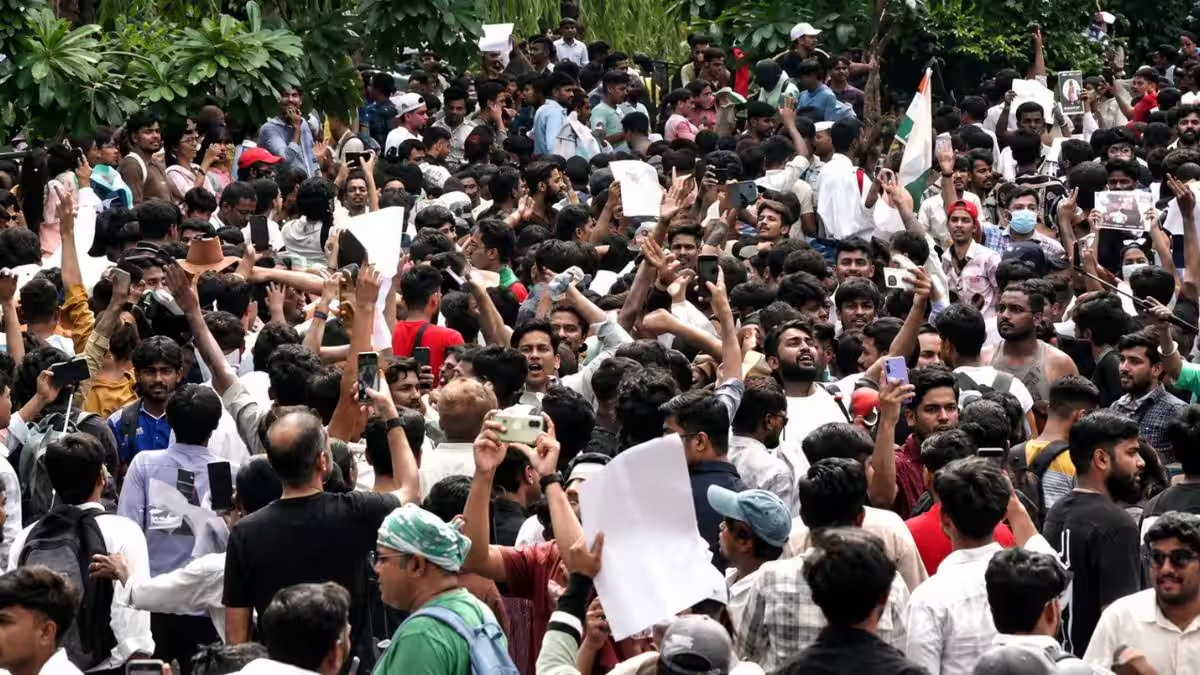
Dharmendra Pradhan stepped down as India’s education minister after weeks of intense protests sparked by the leak of the National Eligibility cum Entrance Test (NEET) question paper. The resignation marks a significant moment in a movement driven largely by students and youth demanding justice and accountability for the scandal that led to the deaths of 20 students.
The Cockroach Janata Party (CJP), a key protest group, hailed the resignation as a "victory for democracy". Its founder, Abhijeet Dipke, honored the memory of the students who lost their lives due to the fallout from the paper leak, emphasizing that the resignation was a tribute to them. However, the CJP has made it clear that their fight is far from over.
The NEET Paper Leak and Its Fallout
The NEET exam is a crucial medical entrance test in India, determining admission to medical colleges nationwide. The recent leak of the exam paper caused widespread outrage, as it compromised the fairness and integrity of the selection process. The scandal triggered protests across the country, with students and parents expressing frustration over the perceived injustice and demanding accountability from the government.
These protests quickly grew beyond the immediate issue of the exam leak, evolving into a broader movement reflecting youth dissatisfaction with systemic problems in education and governance. The deaths of 20 students, linked to the stress and turmoil surrounding the incident, intensified calls for action.
Key Demands and Developments After the Resignation
- Dharmendra Pradhan’s resignation, a central demand of the protesters, has been fulfilled.
- The CJP has updated its list of demands, which now includes a compensation package of Rs 1 crore for the families of each deceased student.
- Protesters are calling for an end to restrictions on demonstrations, advocating for the right to peaceful protest.
- There is a demand for a public apology from the Rapid Action Force (RAF) and Delhi Police, following reports of harsh crackdowns on protesters using tear gas, water cannons, pellet guns, and batons.
- The police response has further galvanized protests, drawing more participants to gatherings at Delhi’s Jantar Mantar and inspiring solidarity actions in cities like Mumbai.
Why the Movement Continues Despite the Resignation
While the resignation of the education minister represents a significant concession, the protest movement views it as only a partial victory. The expanded demands reflect a desire for systemic change, accountability for police actions during protests, and justice for the families affected by the tragedy.
The call for compensation acknowledges the human cost of the crisis, while demands for police accountability highlight concerns about civil liberties and the right to protest. The movement’s persistence underscores a broader dissatisfaction with how authorities have handled the situation and a push for reforms that go beyond a single resignation.
As protests continue, the government faces pressure to address these demands comprehensively to restore trust and prevent further unrest.
Frequently Asked Questions
Q: Why did Dharmendra Pradhan resign as education minister?
A: He resigned following widespread protests triggered by the leak of the NEET exam paper, which led to demands for his accountability and justice for affected students.
Q: What are the main demands of the protesters after the resignation?
A: Protesters want Rs 1 crore compensation for families of deceased students, an end to restrictions on protests, and a public apology from police forces involved in crackdowns.
Q: How have the police responded to the protests?
A: Police have used tear gas, water cannons, pellet guns, and batons to disperse protesters, actions that have been widely criticized and have intensified the demonstrations.