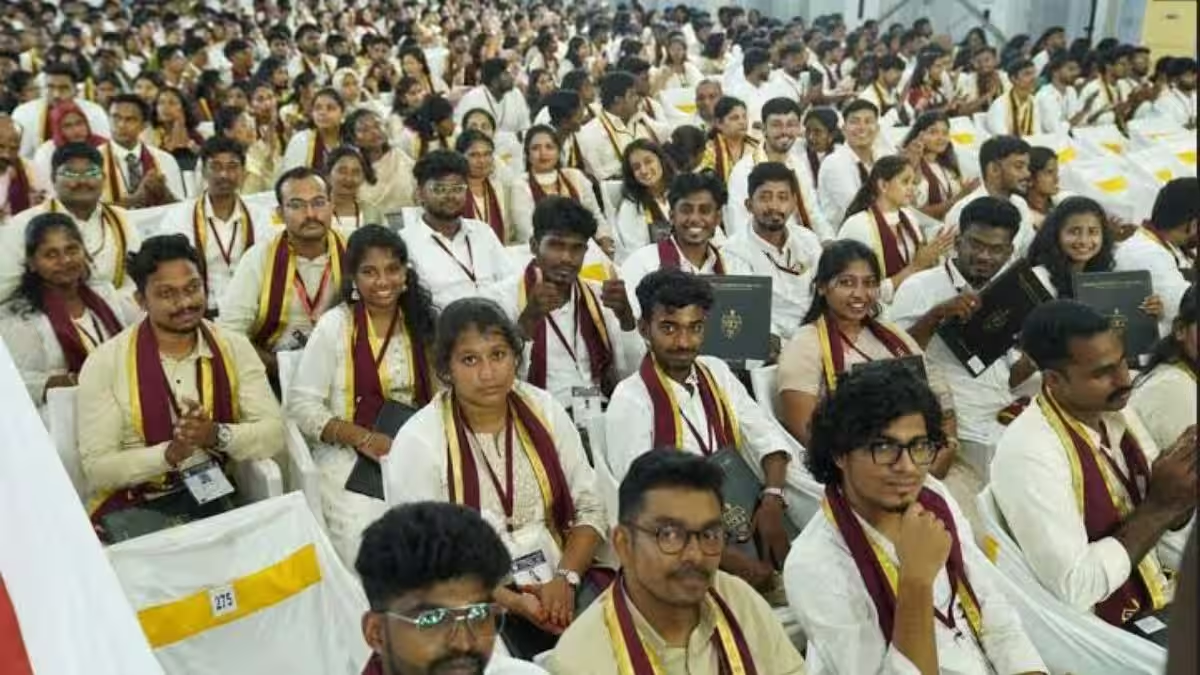
Delhi University recently welcomed a group of students and teachers from the Central University of Tamil Nadu as part of the seventh phase of the 'Yuva Sangam' initiative. This programme aims to promote cultural exchange and national integration among students from different parts of India. The inauguration ceremony took place at the Vice-Regal Lodge on the Delhi University campus under the Union Ministry of Education's 'Ek Bharat Shreshtha Bharat' programme.
- Yuva Sangam encourages cultural exchange and national unity among students.
- Delhi University Vice-Chancellor highlighted Tamil Nadu's rich cultural heritage.
- The programme fosters lasting friendships and a sense of belonging across states.
- Officials from Delhi University and affiliated colleges attended the inauguration.
What is the purpose of the Yuva Sangam initiative?
The Yuva Sangam initiative is designed to bring together students from different states to promote cultural exchange, understanding, and national integration. It is part of the larger 'Ek Bharat Shreshtha Bharat' programme by the Union Ministry of Education, which aims to connect diverse cultures and traditions across India.
How did Delhi University welcome the Tamil Nadu delegation?
The delegation of students and teachers from the Central University of Tamil Nadu was welcomed at an inauguration ceremony held at the Vice-Regal Lodge on the Delhi University campus. Delhi University Vice-Chancellor Yogesh Singh addressed the group, emphasizing the unity in diversity that defines India and encouraging the students to build lasting friendships during their stay.
What cultural contributions of Tamil Nadu were highlighted?
Vice-Chancellor Yogesh Singh highlighted Tamil Nadu's significant contributions to India's culture and civilization. He mentioned the state's ancient language, rich literature, classical music, devotional traditions, and historical legacy as key elements of its cultural heritage.
What message did the Vice-Chancellor share with the visiting students?
Yogesh Singh told the students that although they had traveled from one part of India to another, they were still within the same beautiful country. He stressed that differences in language and expression do not divide the nation but rather enrich it. He encouraged the students to form at least five lasting friendships during their visit and to maintain those connections after returning home.
Who else participated in the event?
Several senior officials from Delhi University attended the event, including Professor KP Singh, director of Gandhi Bhawan and nodal officer for the programme, Balaram Pani (Dean of Colleges), Geeta Bhatt (Director of the Non-Collegiate Women's Education Board), Ranjan Tripathi (Dean of Student Welfare), Niranjan Kumar (Dean of Planning), and principals from various DU-affiliated colleges.
How does the Yuva Sangam programme contribute to national progress?
The programme helps youth understand the country better, develop a sense of belonging, and contribute to its progress by bringing together diverse cultures, traditions, and ideas. It is not just a journey but an effort to connect different parts of India through linguistic and cultural exchanges.