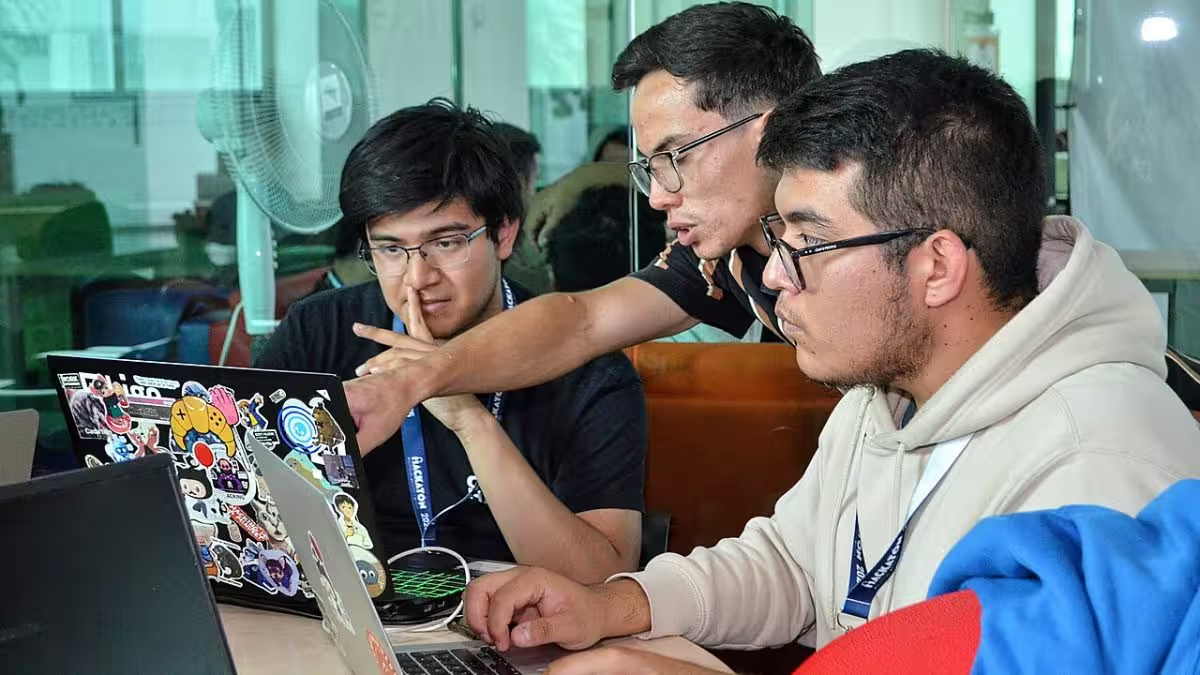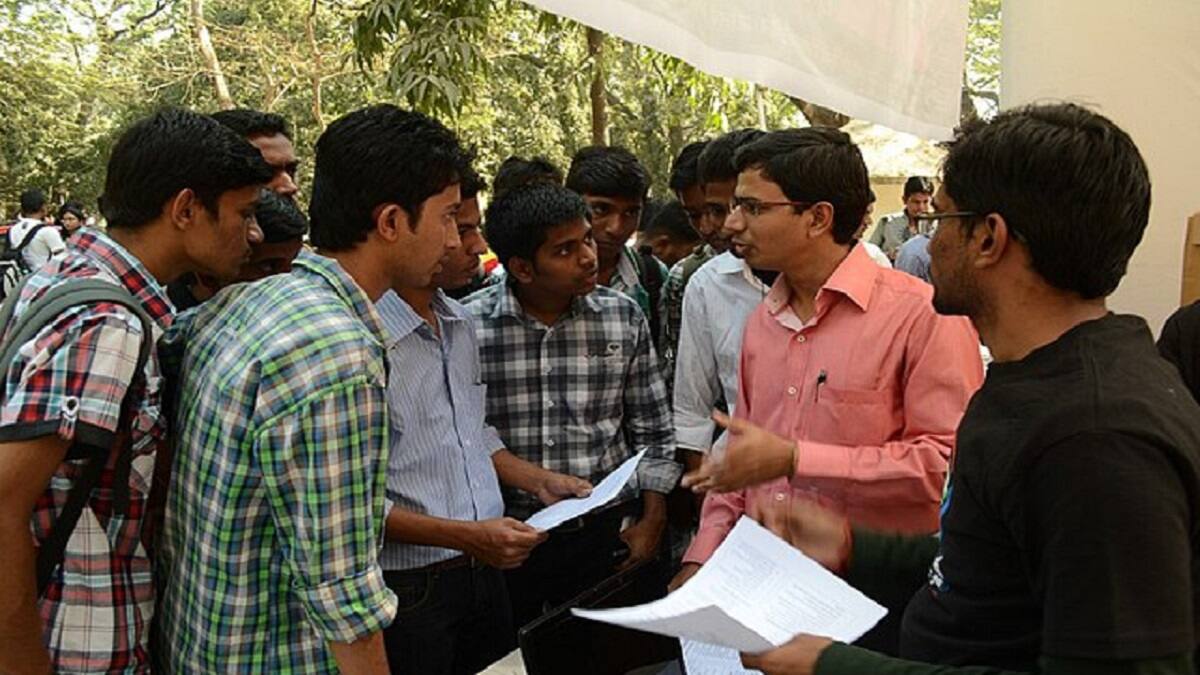
Foreign medical graduates across India are protesting the Foreign Medical Graduates Examination (FMGE) 2026, held on June 28, due to concerns over the exam's difficulty, technical problems, and inadequate facilities at test centers. The candidates have organized a sit-in protest at Jantar Mantar on Monday, demanding a thorough review of the exam and improvements to match standards seen in other national tests like NEET.
With only 12.77% of the 36,300 candidates passing the exam—the lowest success rate in three years—many graduates blame the exam's format and conditions for the sharp decline. They have also petitioned the Supreme Court and written to the Ministry of Health and Family Welfare, seeking greater transparency, including the release of answer keys and individual response sheets.
Understanding the FMGE and Its Purpose
The FMGE is a licensing exam conducted by the National Board of Examinations in Medical Sciences (NBEMS) for Indian citizens who have earned their medical degrees abroad. Passing this exam is mandatory for these foreign medical graduates (FMGs) to practice medicine in India. The test aims to ensure candidates meet the minimum competency standards equivalent to Indian medical graduates.
Traditionally, the FMGE serves as a screening test to confirm that foreign-trained doctors possess the necessary medical knowledge and clinical skills. It is designed to assess core undergraduate medical education rather than advanced specialist knowledge.
Key Issues Raised by FMGE 2026 Candidates
- New Question Format: For the first time, video-based questions were included without prior notice, adding to the exam's complexity and time pressure.
- Lengthy Clinical Scenarios: The exam featured unusually long clinical case questions requiring extensive reading, which many candidates found time-consuming.
- Technical Glitches: Several test centers experienced computer malfunctions and slow video playback, causing candidates to lose valuable exam time.
- High Difficulty Level: Some questions were reportedly beyond the MBBS level, incorporating advanced specialist content not aligned with the exam's intended purpose.
- Poor Exam Center Conditions: Many centers lacked air conditioning and drinking water despite extreme heat, leading to some candidates fainting during the exam.
- Low Pass Rate: Only 4,635 candidates passed out of 36,300, marking a significant drop compared to previous years.
Why This Protest Matters for Foreign Medical Graduates
The FMGE is a critical step for foreign medical graduates seeking to practice in India. The candidates argue that the exam’s unexpected format changes and technical issues unfairly disadvantaged them. They stress that the test should primarily evaluate medical knowledge and clinical decision-making rather than reading speed or technical proficiency.
The protestors are calling for the government to establish an expert committee to review whether the exam questions align with undergraduate medical standards, if the exam length suits the allotted time, and whether the overall difficulty is appropriate. They also want NBEMS to adopt transparent practices like releasing answer keys and allowing candidates to verify their responses, similar to the procedures in NEET exams.
NBEMS has acknowledged complaints about exam center conditions and formed a panel to investigate. The graduates believe that increased transparency and improved exam administration will restore trust and reduce legal disputes related to the FMGE.
Frequently Asked Questions
Q: What is the FMGE exam?
A: The FMGE is a licensing exam for Indian citizens who have completed their medical degrees abroad. Passing it is required to practice medicine in India.
Q: Why are candidates protesting the FMGE 2026 exam?
A: Candidates are protesting due to the exam’s difficult questions, unannounced video-based format, technical glitches, poor test center facilities, and a very low pass rate.
Q: What changes are the candidates demanding?
A: They want a review committee to assess the exam’s difficulty and format, release of answer keys and response sheets, and improvements in exam center conditions to match standards of other national exams.