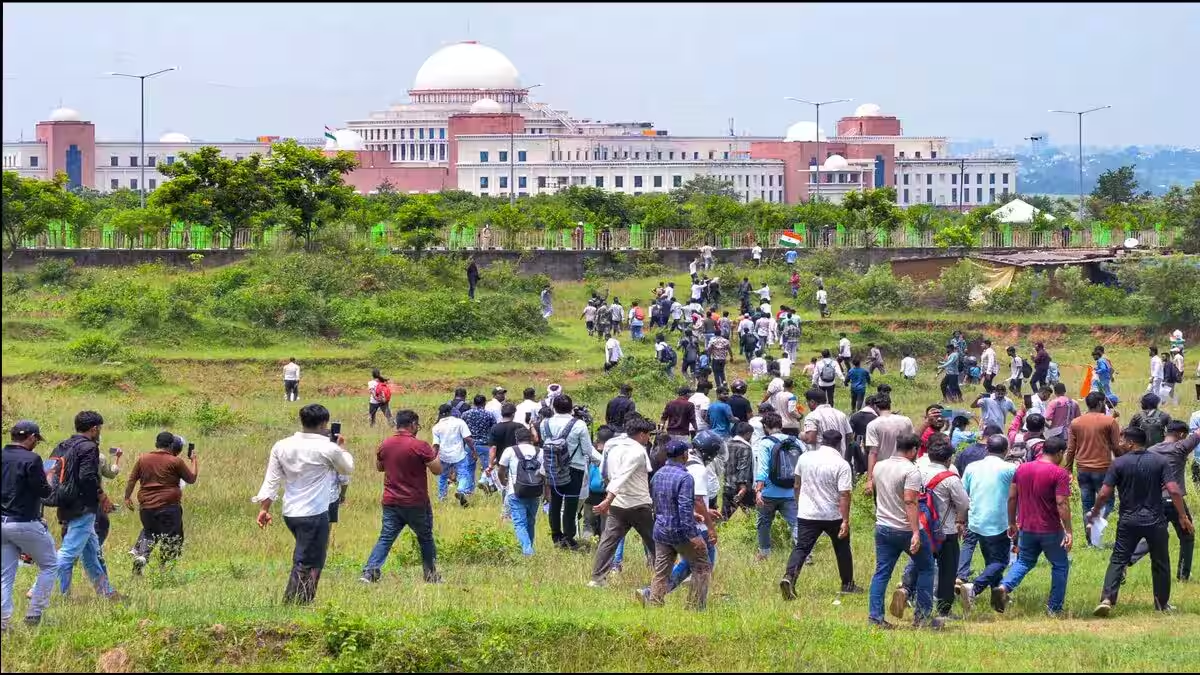
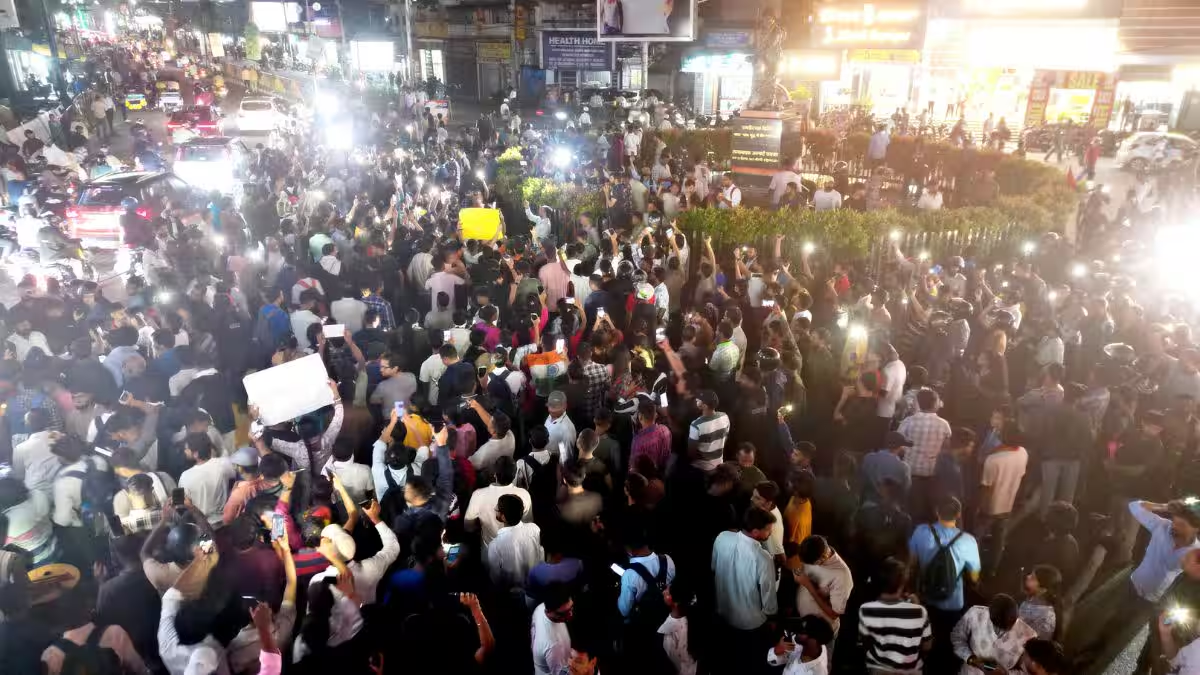
Girls from Jai Prakash Narayan Sarvodaya Vidyalaya, a government residential school in Lucknow, staged a protest on Monday morning despite heavy rain. This marked the second student demonstration in just four days, both focused on the shortage of teachers and interruptions in their education.
The students gathered around 9 am at the Dubagga-Kanpur Bypass and Balaganj intersections, holding banners and chanting slogans to highlight the challenges they face in their studies. The protest disrupted morning traffic during peak commuting hours, drawing the attention of local authorities.
Teacher Shortage and Class Disruptions at the School
Jai Prakash Narayan Sarvodaya Vidyalaya has been struggling with a lack of sufficient teaching staff, especially in science subjects. A student named Anamika explained that although many students are enrolled in the science stream, the school only has a chemistry teacher and no instructors for physics or biology. This shortage is severely affecting their preparation for upcoming board exams.
The school day runs from 8 am to 4 pm, with assembly sessions lasting nearly two hours, leaving little time for extracurricular activities. Students also reported difficulties attending online classes, further hampering their learning experience.
Details of the Protest and Official Response
- The protest took place at two busy intersections, blocking traffic during the morning rush hour.
- Despite rain, students remained at the site, some wrapping towels around their heads and forming a human chain.
- Police and senior officials, including the Additional Deputy Commissioner of Police (West), the Sub-Divisional Magistrate, and the Chief Development Officer, arrived to manage the situation.
- Authorities persuaded the students to return to the school, where discussions were held to address their concerns.
- Students demanded action against the school warden and the appointment of additional teachers.
Why This Protest Matters for Lucknow’s Education System
The repeated protests at this school reflect broader challenges faced by government-run educational institutions in Uttar Pradesh. Teacher shortages, inadequate infrastructure, and administrative issues have led to disruptions in students’ learning experiences. These problems are not isolated to Lucknow; similar student protests have occurred recently in other districts like Fatehpur, Hamirpur, and Kannauj.
The appointment of teachers in schools managed by the Social Welfare Department is currently under judicial review at the Allahabad High Court's Lucknow bench. The outcome of this hearing could influence future staffing decisions and potentially improve conditions for students.
Officials from the social welfare, education, and police departments continue to engage with students and school authorities to find solutions. However, the students have warned that they may organize further protests if their demands are not met promptly.
Frequently Asked Questions
Q: What are the main issues causing the student protests in Lucknow?
A: The protests are primarily due to a shortage of teachers, especially in physics and biology, and disruptions in regular classes at a government residential school.
Q: How have the authorities responded to the protests?
A: Police and senior officials intervened to manage the protests, engaged in discussions with students, and are working to address their grievances through dialogue and administrative action.
Q: Are similar protests happening elsewhere in Uttar Pradesh?
A: Yes, students in other districts such as Fatehpur, Hamirpur, and Kannauj have also protested recently over education and infrastructure issues in government schools.