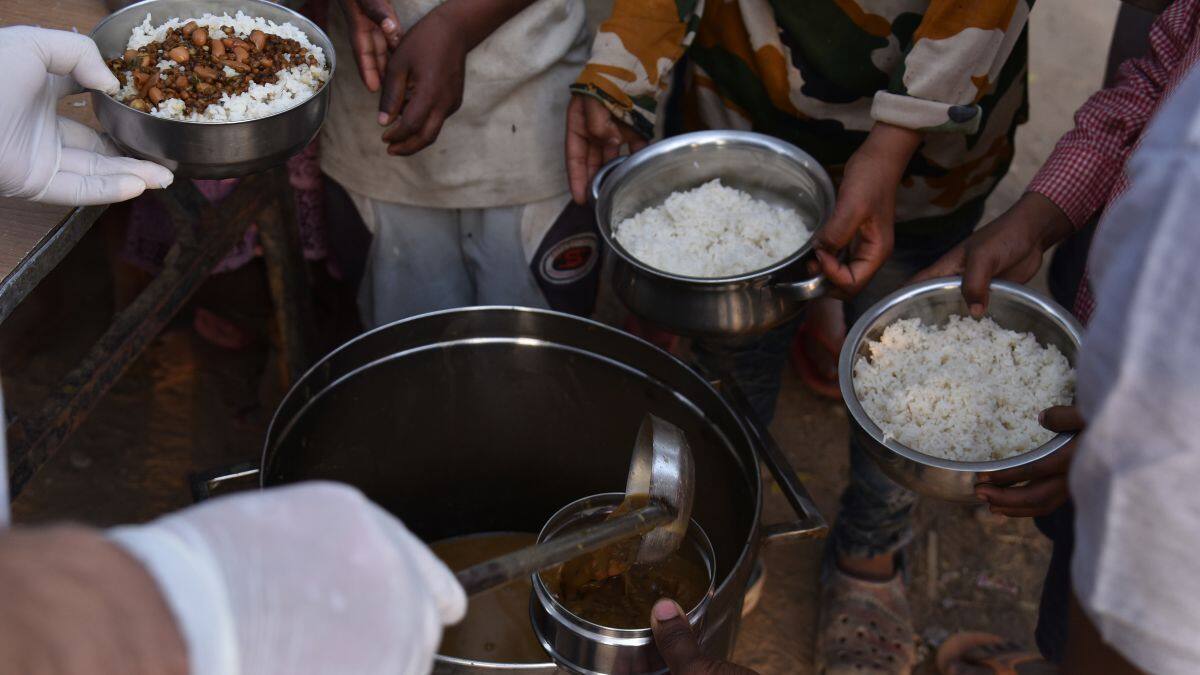
India ranks 100th among 122 countries in the 2026 Global Hunger Index (GHI), scoring 24.1 and remaining in the 'serious' hunger category since 2012. The report, titled ‘No security without food security,’ highlights that while India has made some progress in reducing stunting and undernourishment, the level of child wasting has worsened, signaling ongoing challenges in child nutrition.
- India's GHI score improved slightly from 25.8 in 2018 to 24.1 in 2026.
- Child wasting in India rose from 16.9% to 19.0%, the highest in South Asia.
- Child stunting decreased to 29.3%, moving from very high to high levels.
- Undernourishment improved to 9.8% in 2026 from 10.5% previously.
- India ranks better than some neighbors like Pakistan but worse than Bangladesh and Laos.
What is the Global Hunger Index and how is India performing?
The Global Hunger Index measures hunger based on four key indicators: undernourishment, child wasting (low weight for height), child stunting (low height for age), and child mortality. India's overall score of 24.1 places it in the 'serious' hunger category, which ranges from 20.0 to 34.9. Although India has improved its ranking from 102nd last year to 100th this year, progress has slowed compared to earlier years.
How have India’s hunger indicators changed over time?
India’s performance on the four GHI parameters has shown mixed trends over the years:
| Indicator | 2000-02 (%) | 2005-07 (%) | 2011-13 (%) | 2017-19 (%) | 2023-25 (%) |
|---|---|---|---|---|---|
| Undernourishment | 18.1 | 18.9 | 13.2 | 10.5 | 9.8 |
| Child wasting | 17.9 | 20.0 | 15.1 | 16.9 | 19.0 |
| Child stunting | 50.0 | 47.2 | 41.7 | 35.6 | 29.3 |
| Child mortality | 9.2 | 7.1 | 5.2 | 3.7 | 2.7 |
While undernourishment and child stunting have steadily decreased, child wasting has increased recently, indicating acute malnutrition issues. Child mortality has also improved significantly over the years.
Why is child wasting a concern in India?
Child wasting refers to low weight for height and indicates recent and severe weight loss, often due to inadequate food intake or illness. India’s child wasting rate of 19.0% is the highest in South Asia and remains very high compared to other countries. This suggests that many children suffer from acute malnutrition, which can have long-term effects on health and development.
How does India compare with other countries in the region?
India’s GHI score of 24.1 is slightly higher than the South Asia regional average of 23.4. It ranks better than countries like Pakistan (25.5), Timor-Leste (18.5), Papua New Guinea, Afghanistan, and Solomon Islands but worse than Bangladesh and Laos. The global average GHI score is 18.1, indicating that hunger is a more severe issue in India than in many other parts of the world.
What challenges could affect India’s hunger situation in 2026?
The report highlights concerns about the 2026 southwest monsoon, which is crucial for India’s agriculture. The India Meteorological Department forecasts a 60% chance of below-normal rainfall in the Monsoon Core Zone, which covers most rainfed agricultural areas. This could worsen food security and hunger if crop yields decline.
What are the key takeaways from the 2026 Global Hunger Index for India?
- India remains in the 'serious' hunger category with slow progress in reducing hunger.
- Child wasting rates are alarmingly high and require urgent attention.
- Improvements in stunting and undernourishment show some positive trends.
- Regional and climatic challenges, such as monsoon variability, pose risks to food security.
- Continued efforts are needed to accelerate progress and improve child nutrition.
Frequently Asked Questions
Q: What does the Global Hunger Index measure?
A: The GHI measures hunger using four indicators: undernourishment, child wasting, child stunting, and child mortality.
Q: Why is child wasting important?
A: Child wasting indicates acute malnutrition and is a sign of recent severe weight loss, which can affect a child’s survival and development.
Q: How has India’s hunger situation changed recently?
A: India’s hunger score has improved slightly, but child wasting has increased, and overall progress has slowed compared to earlier years.
Q: What risks could worsen hunger in India?
A: A forecast of below-normal monsoon rainfall in 2026 could reduce agricultural output and worsen food security.