Imagine a world where countries are like players in a big international game. They all want to move their pieces in the best way possible. But sometimes, one player puts a wall in front of others with something called tariffs—extra taxes on goods crossing borders. These tariffs are like hurdles that make it harder and more expensive for countries to buy and sell things. This has caused a big fuss among many nations, especially the United States. Some countries are angry, some are negotiating, and others are trying to find new ways to keep the game going smoothly.
Most nations are responding in different ways to the U.S.’s threats of tariffs and the actual tariffs that have already been put in place. Their responses include making official statements—like sending angry or cautious messages—starting negotiations, or forming regional groups to work together and find solutions. It’s like friends in a big playground trying to figure out how to keep their friendship strong despite disagreements.
Key Highlights
Let’s take a closer look at what’s happening around the world:
China’s Stance: China is very firm in its response. It strongly opposes the tariffs and sanctions from the U.S. They say that trade wars—when countries fight over tariffs—are not good for anyone. They call for peace and cooperation instead of conflict.
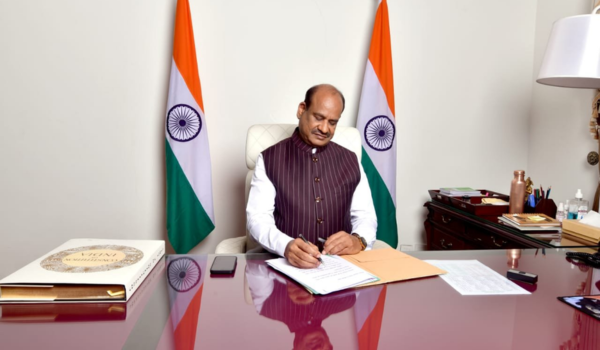
India’s Position: India doesn’t agree with the U.S. tariffs either. It thinks they are unfair. India is also busy with its own plans—like importing oil from Russia, which it does for strategic reasons. This means India is carefully balancing its trade and political choices.
South Korea and the U.S.: These two countries came to an agreement. They decided to reduce tariffs on cars and auto parts. This was a positive sign, showing that even with disagreements, countries can come together to make trade easier and more fair.
Economic Talks: For the first time in five years, China, Japan, and South Korea held a special economic meeting. They wanted to discuss how to respond to the U.S. tariffs. It’s like they are joining forces to make sure their economies stay strong despite the challenges.
India’s New Opportunities: India is not just reacting; it is also exploring new opportunities. It’s working on a bilateral trade agreement—this means India wants to create new trade deals directly with other countries to help its economy grow.
China and Iran: China remains Iran’s biggest trading partner, especially when it comes to oil. Iran relies on China to buy its oil, which is very important for Iran’s economy. This relationship continues despite many international pressures.
India and Iran: Interestingly, India exported more than 1.25 billion dollars worth of goods to Iran between 2024 and 2025. This included essential items like food and medicine, under what is called humanitarian categories—basic needs that help people, especially during tough times.
Current Status
By January 2026, these responses are still unfolding. Countries are actively talking, forming agreements, or making plans. For instance, some nations are opposing tariffs, while others are trying to work things out through negotiations. But some responses, especially from major players like Japan, China, South Korea, and the U.S., are still in the pipeline—they haven’t made clear decisions yet. Basically, the world is still in the middle of this big trade puzzle.
Why It Matters
So, why does all this matter? Because trade policies and tariffs are like the rules of a game. They affect how easy or difficult it is for countries to buy and sell goods. When countries put tariffs high, it can cause prices to go up and slow down economies. If countries can’t agree, it might lead to less cooperation and more conflicts. The whole world feels these impacts—whether they’re consumers buying products or businesses selling them.
Trade wars can shake up global stability, threaten friendships between countries, and even slow down economies everywhere. When nations work together or clash, it’s like a big ripple that impacts the price of food, clothes, cars, and even how much money people earn or spend.
Important Dates & Numbers
Here are some key moments and figures in this ongoing story:
On January 13, 2026, China made a strong statement opposing U.S. tariffs on Iran.
Back on August 4, 2025, India criticized the U.S. tariffs, calling them unfair.
In July 2025, South Korea and the U.S. agreed to lower tariffs on cars and auto parts.
Earlier, in April 2025, China, Japan, and South Korea held their first economic talks in five years to team up against U.S. tariffs.
During 2024-2025, India exported over 1.25 billion dollars worth of goods to Iran, mainly food, medicine, and other humanitarian supplies.
Official Position
Each country has shown its stance clearly:
China publicly opposes the U.S. sanctions and tariffs, emphasizing that trade should be based on cooperation, not conflict.
India condemns the tariffs and is actively working to negotiate and find better trade deals.
South Korea has agreed to reduce certain tariffs to keep trade flowing smoothly.
As of January 2026, some major players like Japan, South Korea, China, and the U.S. have not yet officially responded or announced their final plans. The world remains cautious and watchful as the situation develops.
In summary, this is a story of countries trying to balance their interests, fight for fairness, and protect their economies—all while navigating the complex web of international trade. It’s a story still being written, and its outcome will shape the global economy for years to come.