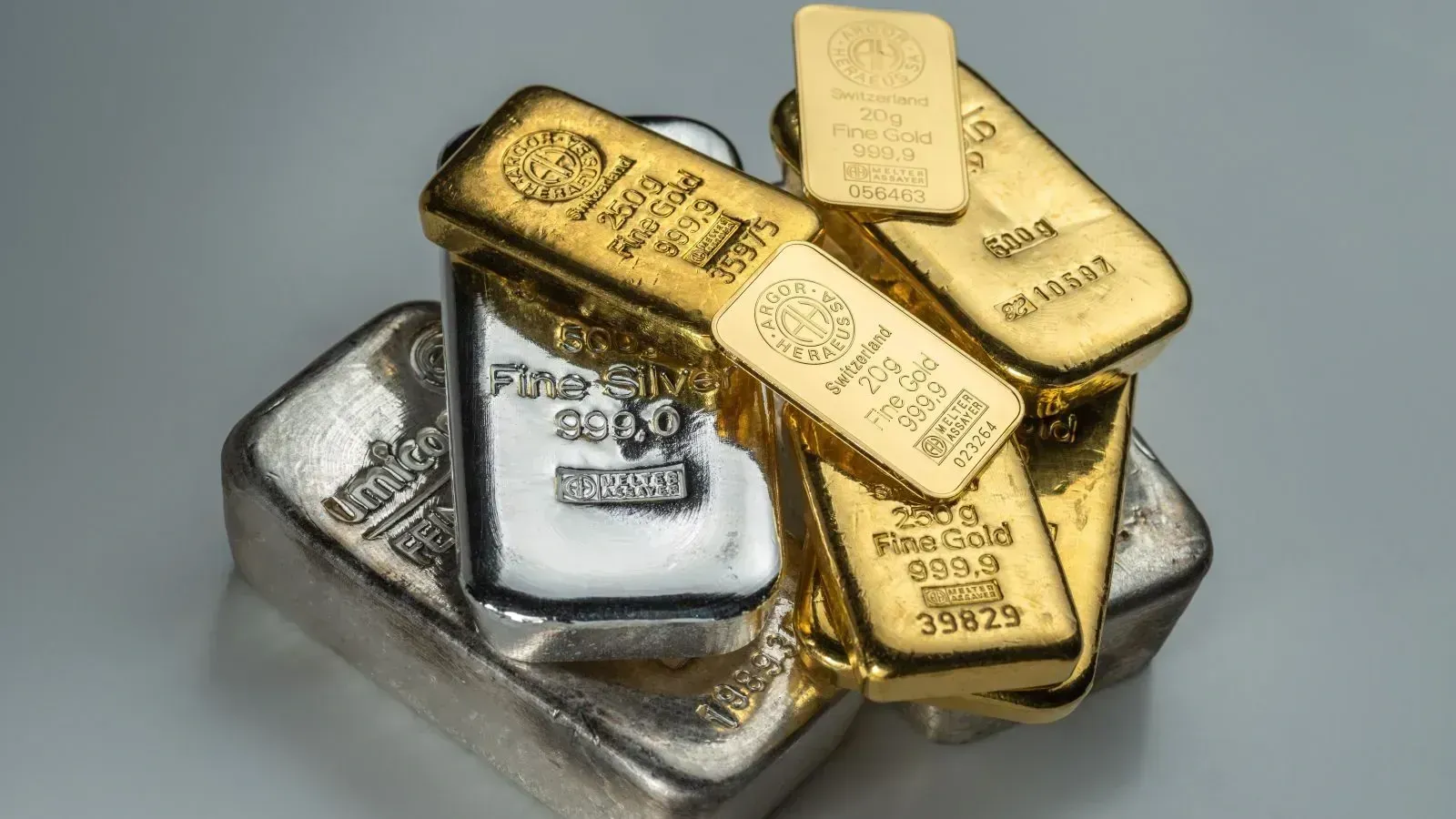
Gold prices slipped below ₹1.40 lakh per 10 grams on the Multi Commodity Exchange (MCX) as of July 17, 2026, while crude oil maintained its strong upward momentum. Silver prices also showed weakness, continuing to trade below key moving averages. This divergence highlights contrasting trends in the commodities market, with precious metals struggling to regain ground and energy commodities showing resilience.
Understanding the Current Commodity Market Trends
Commodities like gold, silver, and crude oil are closely watched indicators of economic health and investor sentiment. Gold and silver are often seen as safe-haven assets, attracting investors during times of uncertainty. Crude oil prices, on the other hand, are influenced by supply-demand dynamics, geopolitical factors, and global economic activity. The recent movements in these commodities reflect a complex interplay of market forces.
Gold and silver prices are currently trading below their 20-period and 50-period exponential moving averages (EMAs), technical indicators that traders use to assess short-term trends. This positioning suggests a weak short-term outlook for precious metals. Meanwhile, crude oil has broken out above a key resistance level and is consolidating at higher price points, signaling continued bullish momentum.
Key Market Facts and Figures
- MCX Gold reached an intraday low of ₹1,39,801 per 10 grams.
- Gold is trading near ₹1,41,220, hovering close to a critical support zone at ₹1,40,543.
- Gold remains below its 20-period and 50-period EMAs, indicating a weak short-term trend.
- Immediate resistance levels for gold are around ₹1,42,000 and ₹1,43,000.
- Silver is trading near ₹2,19,300, below its key moving averages, with support at ₹2,15,249.
- A break below silver’s support could lead to further declines.
- Crude oil has surged past ₹7,382 and is consolidating between ₹7,650 and ₹7,700.
- Crude oil remains above its 20-period and 50-period EMAs, maintaining a positive short-term structure.
- Directional Movement Index (DMI) and Average Directional Index (ADX) readings suggest low trend strength but maintain a bearish bias for metals and a bullish stance for crude oil.
Why These Price Movements Matter for Investors
The contrasting trends in gold, silver, and crude oil prices have important implications for investors and traders. The weakness in precious metals suggests cautious sentiment among buyers, possibly due to factors like rising interest rates or a strengthening currency that reduce gold’s appeal as a hedge. Without a strong recovery above resistance levels, gold and silver could face further downside pressure.
Conversely, crude oil’s sustained rally reflects ongoing demand strength and supply constraints. This bullish momentum may continue to attract investors looking for growth opportunities in energy markets. However, the relatively low trend strength indicated by technical measures means that price swings remain possible, and traders should remain vigilant.
Market participants should also be aware of the risks involved in derivatives trading and apply appropriate risk management strategies such as stop-loss orders. Understanding the technical signals and broader economic context is crucial for making informed decisions in volatile commodity markets.
Frequently Asked Questions
Q: Why are gold and silver prices falling while crude oil rises?
A: Gold and silver are influenced by factors like interest rates and currency strength, which can reduce their demand as safe havens. Crude oil prices are driven by supply-demand dynamics and geopolitical factors, supporting their recent rise.
Q: What do the 20-period and 50-period EMAs indicate?
A: These moving averages help identify short-term price trends. Prices below these averages suggest weakness, while prices above indicate strength in the market.
Q: Should investors be cautious with derivatives trading in these commodities?
A: Yes, derivatives carry significant risks. Traders should fully understand these risks and use risk management tools like stop-loss orders to protect their investments.