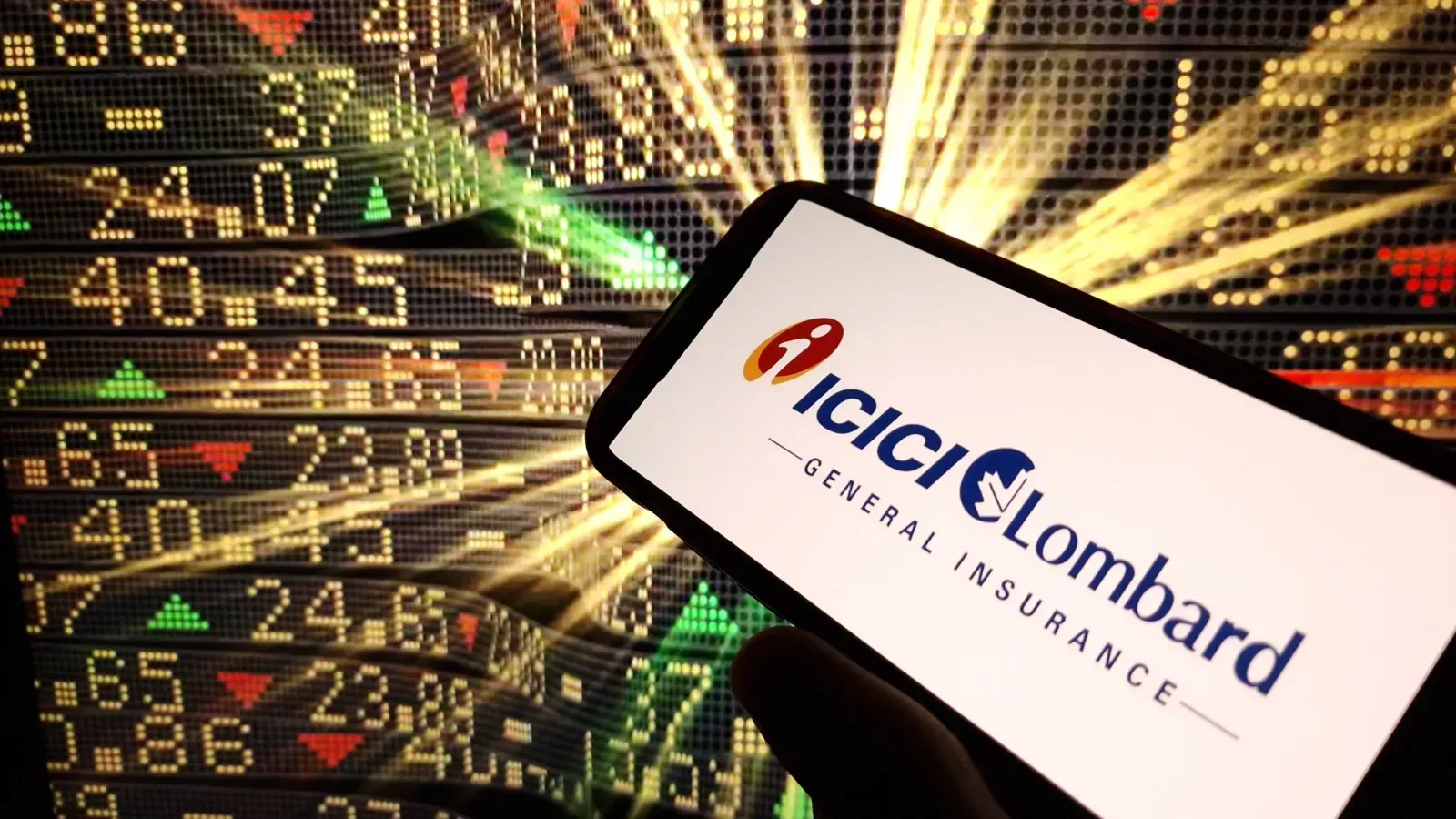
Shares of ICICI Lombard General Insurance plunged 15% on July 16, hitting a 52-week low after the company reported a sharp decline in its first-quarter net profit. The insurer’s financial results for April to June 2026 revealed that increased claims and higher expenses significantly impacted its earnings, disappointing investors.
Understanding ICICI Lombard’s Business and Q1 Performance
ICICI Lombard is one of India’s leading general insurance companies, offering a range of products including motor, health, and travel insurance. The company’s financial health is closely watched by investors and market analysts, as it reflects broader trends in the insurance sector.
In the first quarter of the fiscal year 2026-27, ICICI Lombard posted a net profit after tax (PAT) of ₹403.17 crore, a 46% decrease compared to ₹747.08 crore during the same period last year. This decline was primarily due to a rise in claim payments and commission expenses, which eroded profitability despite growth in premium income.
Key Financial Highlights from Q1 2026-27
- Net profit after tax fell 46% year-on-year to ₹403.17 crore.
- Claim payments increased by 20.6% to ₹3,511.61 crore, up from ₹2,910.54 crore in the previous year’s quarter.
- Gross premium income rose 10% to ₹8,860.27 crore, compared to ₹8,052.55 crore a year earlier.
- Total income grew 12% to ₹6,813.71 crore, up from ₹6,083.36 crore in the same period last year.
The surge in claims suggests that the company faced more payouts, which could be linked to increased incidents or higher claim amounts. Meanwhile, commission expenses also rose, adding to the cost pressures on the insurer.
Why the Q1 Results Matter for Investors and the Insurance Sector
The sharp drop in ICICI Lombard’s profit despite higher premium income signals challenges in managing claims and expenses. For investors, this raises concerns about the company’s profitability and operational efficiency in a competitive market.
Insurance companies rely on balancing premium collections with claim payouts and operational costs. When claims rise faster than premiums, profit margins shrink, which can affect stock performance. ICICI Lombard’s share price reaction reflects investor caution about the company’s near-term outlook.
Moreover, the broader insurance sector may face similar pressures if claims continue to rise due to factors like natural disasters, health crises, or increased policyholder activity. Monitoring how companies manage these risks will be key to understanding future earnings trends.
Frequently Asked Questions
Q: What caused ICICI Lombard’s net profit to drop in Q1?
A: The net profit declined mainly due to a 20.6% increase in claim payments and higher commission expenses, which outweighed the growth in premium income.
Q: How did ICICI Lombard’s premium income perform during the quarter?
A: Gross premium income increased by 10% to ₹8,860.27 crore compared to the same quarter last year, indicating growth in the company’s business volume.
Q: What does the share price drop indicate about investor sentiment?
A: The 15% fall to a 52-week low reflects investor concerns about the company’s profitability and the impact of rising claims and expenses on future earnings.