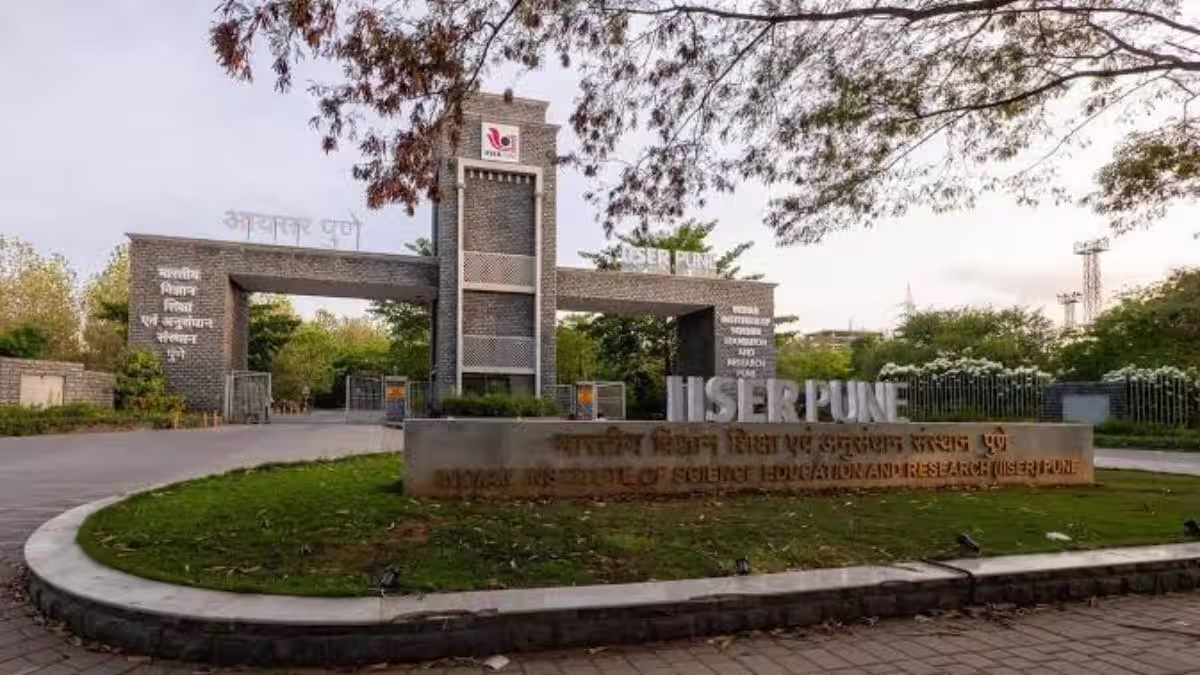
The Indian Institute of Science Education and Research (IISER) Pune has withdrawn a book titled 'Fractured Communities: Adivasi Histories and the Politics of Power' from its Srinivasa Ramanujan library following criticism on social media. The book, based on activist Umar Khalid's doctoral research, was added to the library collection only two days before its removal. This action has raised questions about the reasons behind the withdrawal and the process of selecting academic materials in government-funded institutions.
- What is the book 'Fractured Communities' about?
- Why did IISER Pune remove the book from its library?
- Who is Umar Khalid and what is his background?
- How do academic institutions decide on including books in their collections?
What is the book 'Fractured Communities' about?
Published in 2026 by Juggernaut, 'Fractured Communities' is based on Umar Khalid's doctoral thesis submitted to Jawaharlal Nehru University (JNU) in 2018. The book studies the history of Adivasi communities in the Singhbhum region of present-day Jharkhand. It examines how British colonial administration, local governance, and power relations influenced the social and political lives of these communities. The work offers insights into the complex interactions between indigenous groups and colonial powers.
Why did IISER Pune remove the book from its library?
The removal followed social media criticism questioning the book's inclusion in IISER Pune's library, a government-funded institute focused on science education and research. Madabhushi Madan Gopal, the in-charge chairman of the IISER Pune Board of Governors, stated on social media that the book had been withdrawn and that action was being taken against those responsible for what he called 'mischief.' However, the institute has not released a detailed official explanation regarding the reasons for the withdrawal or the process behind the decision.
Who is Umar Khalid and what is his background?
Umar Khalid is a former JNU student and activist. He completed his PhD in 2019 based on his research on Adivasi communities. Since September 2020, he has been in judicial custody related to the 2020 Northeast Delhi riots case. He faces charges under the Unlawful Activities (Prevention) Act (UAPA) and other legal provisions but has not been convicted. His political activism and legal issues have made his work a subject of controversy.
How do academic institutions decide on including books in their collections?
Academic institutions typically select books based on their relevance to academic programs, research value, and contribution to knowledge. The withdrawal of 'Fractured Communities' has sparked discussions about how politically sensitive works and those linked to contested public figures are handled in academic libraries. Transparency in selection and retention policies is important to maintain academic freedom and uphold educational standards. IISER Pune has not provided details about the criteria or process used to acquire or remove this book.
The incident highlights the challenges academic institutions face in balancing scholarly resources with public and political pressures. It also raises awareness about the importance of protecting academic inquiry and ensuring that diverse perspectives are accessible in educational settings.