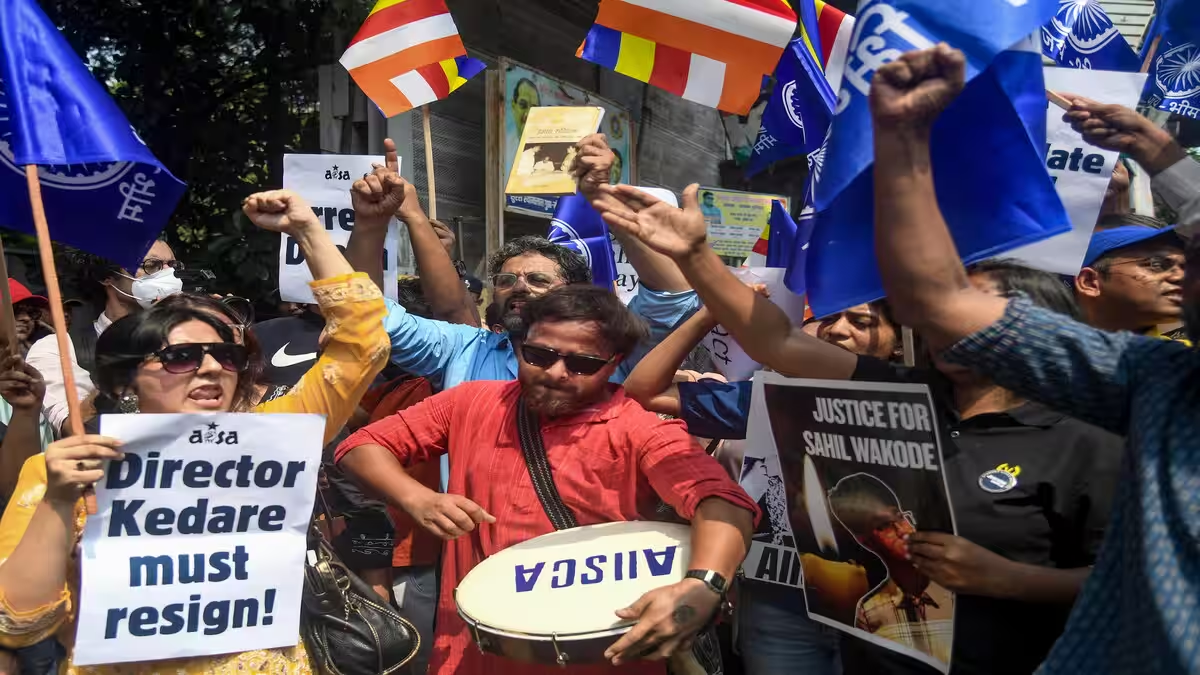
Students at the Indian Institute of Technology Bombay (IIT Bombay) have expressed serious concerns about campus security and the involvement of political groups in recent protests. These protests followed the tragic suicide of Sahil Wakode, a BTech student, which has sparked widespread demands for justice and changes in campus policies.
- Students worry that external political involvement is affecting campus security and the academic environment.
- Protests have led to police detaining over 20 students and reports of assaults on campus.
- Repeated gate closures and security restrictions are disrupting academic activities and professional events.
- Students fear these disruptions may negatively impact internship and placement opportunities.
Why are IIT Bombay students protesting?
The protests began after Sahil Wakode, an undergraduate student, died by suicide. He was reportedly caught cheating in a semester exam, which led to disciplinary actions and intense campus discussions about academic policies and student welfare. Students are demanding justice for Sahil and changes to the institution's approach to cheating and mental health support.
How has political involvement influenced the protests?
Students from the IIT B for Bharat group have raised concerns that political figures and organizations have become involved in the protests. For example, Varsha Gaikwad, a Congress Member of Parliament, was invited onto the campus by some protest participants. Additionally, political groups such as NSUI, AISA, AISF, and SFI have organized demonstrations outside the campus gates. This has raised questions about whether the protests remain focused on Sahil's case or if political interests are driving the movement.
What security issues have arisen on campus?
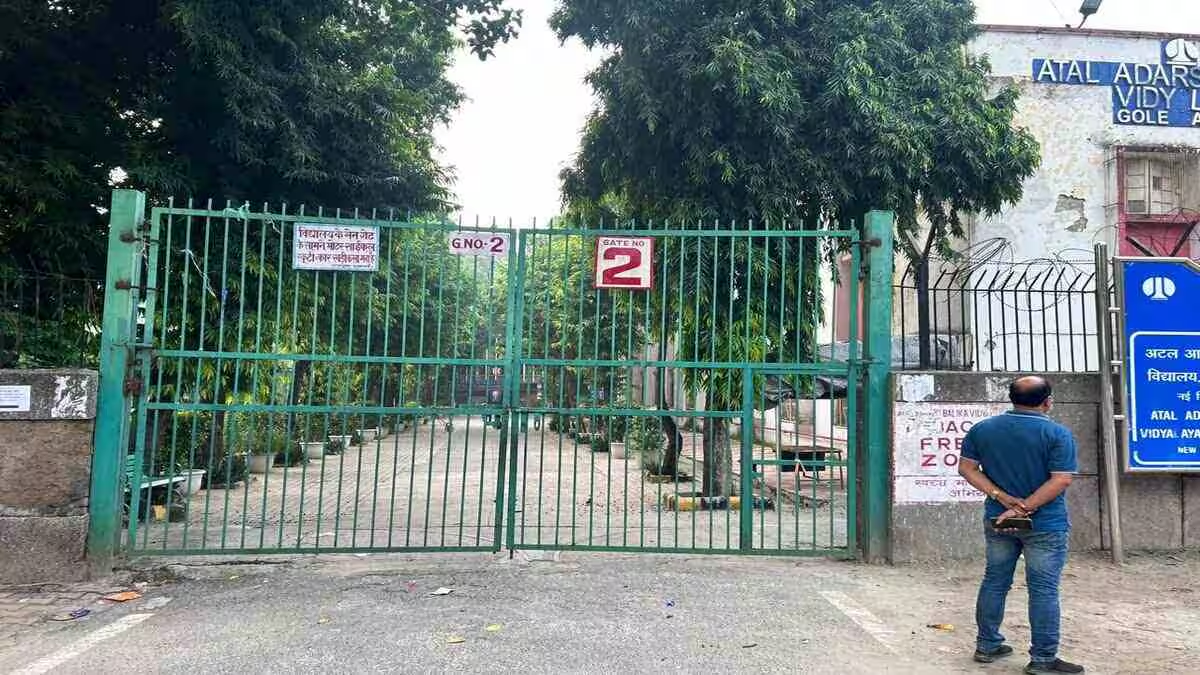
During the protests, Mumbai Police detained over 20 students and their representatives, and several others were reportedly assaulted. The presence of external individuals attempting to enter the campus has heightened security concerns. Repeated gate closures and restrictions have created uncertainty about normal campus functioning. Some students have faced difficulties entering the campus, which affects their ability to attend classes, conduct research, and participate in academic activities.
How might these events affect students' academic and professional opportunities?
Students have expressed worries that the ongoing disruptions could lead to the postponement or cancellation of important institutional events and academic programs. Such interruptions may discourage companies and organizations from visiting the campus for recruitment and professional interactions. These events are crucial for students seeking internships and job placements. The uncertainty and disruptions could therefore negatively impact students' career prospects.
What steps are students requesting?
The student community is calling for improved campus security measures to ensure safe and uninterrupted access to the institute. They want to prevent external political influences from interfering with campus affairs. Additionally, they seek a stable academic environment where events and programs can proceed without disruption, preserving opportunities for internships and placements.
Frequently Asked Questions
Q: What triggered the protests at IIT Bombay?
A: The protests were triggered by the suicide of Sahil Wakode, a BTech student, who died after being caught cheating in a semester exam. Students are demanding justice and changes in campus policies.
Q: Are political groups involved in the protests?
A: Yes, several political student organizations and external political figures have become involved, raising concerns about the focus and security of the protests.
Q: How have the protests affected campus security?
A: The protests have led to police detaining students, reports of assaults, gate closures, and difficulties for students entering the campus, creating an uncertain security environment.
Q: Could these protests impact students' placements?
A: Yes, disruptions to academic and professional events may discourage companies from visiting the campus, potentially affecting students' internship and job opportunities.