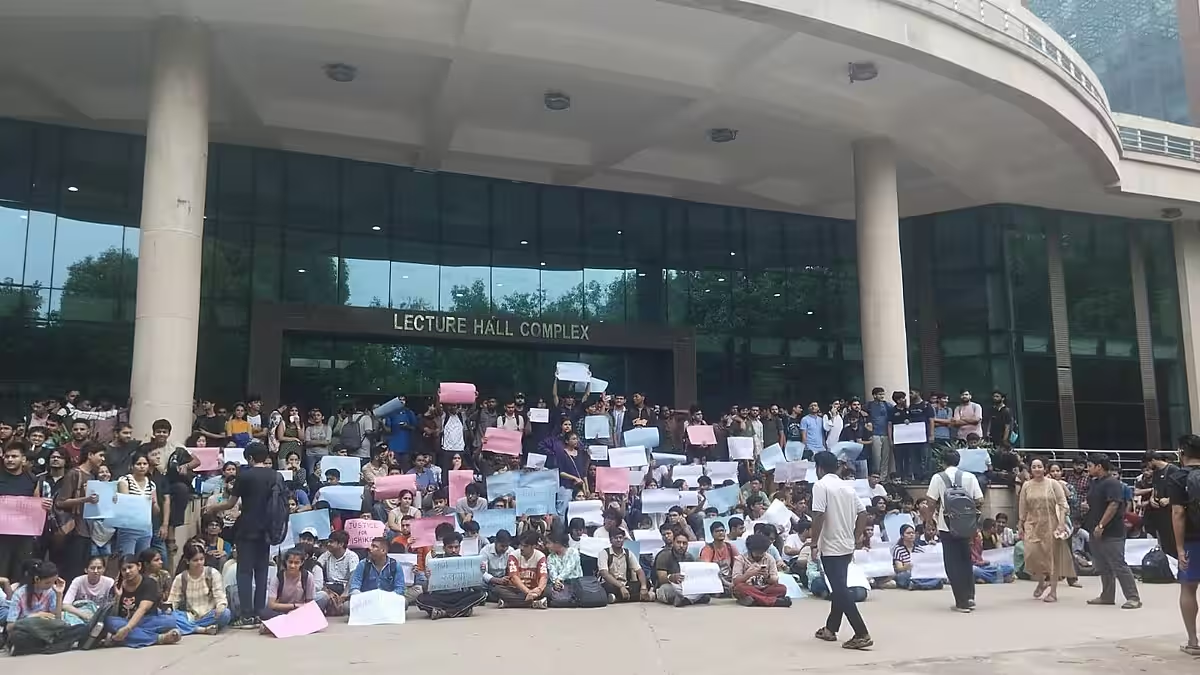
Classes at the Indian Institute of Technology Delhi (IIT Delhi) were cancelled on Monday after the suicide of Rishikesh Kumar, a 31-year-old MSc physics student, triggered widespread student protests. Kumar died after jumping from the Lecture Hall Complex on campus, where students gathered for a candlelight march and demonstration demanding accountability from the institute’s administration.
Students are calling for the resignation of several key officials, including the dean and associate dean of student welfare, the associate dean of hostel management, and the head of the physics department. They argue that administrative failures, particularly regarding hostel accommodation, contributed to Kumar’s tragic decision.
Understanding the Circumstances Behind the Tragedy
Rishikesh Kumar was a promising student who secured an all-India rank of 40 in the Joint Admission Test for Masters (IIT JAM) and performed well in his first semester, achieving a CGPA above 8. However, during his second semester, he experienced medical issues that led to hospitalization at the National Institute of Mental Health and Neurosciences (NIMHANS). After recovering, Kumar returned to campus but was unable to continue his exams on schedule and had to drop the semester.
Before his health issues, Kumar lived in an IIT Delhi hostel. Upon his return, however, his name was removed from the hostel accommodation list, forcing him to live off-campus with his mother in rented housing. Students say this isolation worsened his mental health, as he was separated from the campus community and support network.
Key Facts Behind Student Protests
- Kumar’s name initially appeared on the hostel list but was later removed without clear explanation.
- IIT Delhi requires students with prior hospitalization to provide a fitness certificate to secure hostel accommodation; Kumar reportedly struggled to obtain this certificate despite multiple attempts.
- Students allege that the institute’s policy effectively excludes students with health issues from campus housing, which can isolate vulnerable individuals.
- After returning, Kumar was reportedly asked to provide a medical certificate before attending classes, leading to repeated visits to various offices without success.
- Kumar faced difficulties securing a research project in the physics department, a key part of his MSc program, which students say further impacted his academic progress and morale.
- The student body submitted a formal document to IIT Delhi’s director Rangan Banerjee demanding resignations, an independent investigation, and reforms to prevent similar tragedies.
Why Students Demand Change at IIT Delhi
The protests highlight broader concerns about how mental health and student welfare are managed at premier educational institutions. Students argue that moral profiling and bureaucratic hurdles denied Kumar access to essential resources like housing and research opportunities, which are critical for academic success and well-being.
Many believe that had Kumar been allowed to stay on campus, surrounded by peers and support systems, his mental health might have improved. Instead, isolation and administrative neglect appear to have contributed to his despair.
The director of IIT Delhi has acknowledged the student demands and promised a response by the end of the day. Protesters have vowed to continue their demonstrations until their concerns are addressed, emphasizing the need for accountability and systemic change.
Frequently Asked Questions
Q: What led to Rishikesh Kumar’s suicide at IIT Delhi?
A: Kumar faced mental health challenges and was denied campus hostel accommodation after hospitalization. He also struggled to secure research projects and faced administrative obstacles, contributing to his isolation and distress.
Q: What are the students demanding from IIT Delhi?
A: Students want the resignation of key officials responsible for student welfare and hostel management, an independent investigation into Kumar’s death, and reforms to ensure better support for students with health issues.
Q: How has IIT Delhi responded to the protests?
A: The institute cancelled classes on Monday and the director has received the students’ demands, promising to respond soon. Further actions and official statements are awaited.