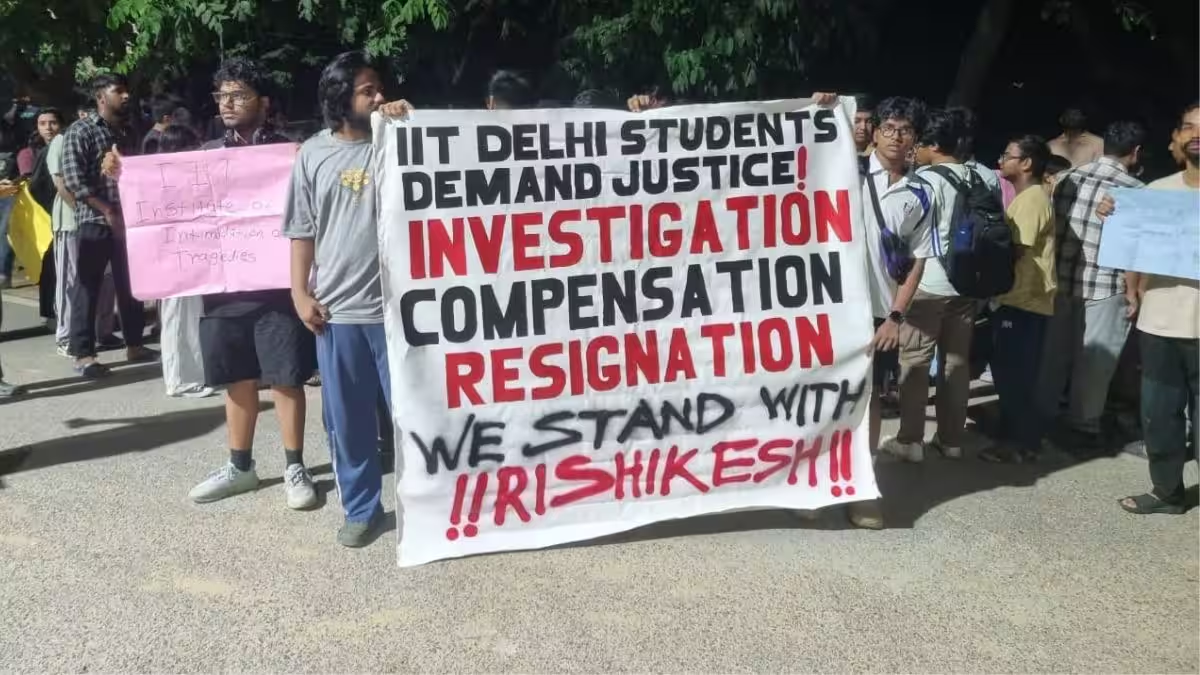
Hundreds of students at the Indian Institute of Technology (IIT) Delhi have taken to the streets to protest after the tragic suicide of Rishikesh Kumar, an MSc Physics student. Kumar’s death last week has brought to light persistent problems with campus hostel allocations and mental health support, sparking widespread unrest among both postgraduate and undergraduate students.
The protests began on August 24, with students demanding accountability from the institute’s administration, including the resignation of key officials and compensation for Kumar’s family. The unrest continues as students voice their frustration over systemic issues that they say have contributed to a rising number of suicides on campus.
Hostel Struggles and Mental Health Challenges at IIT Delhi
Rishikesh Kumar’s case is not isolated. Students report that securing hostel accommodation after facing mental health crises is fraught with difficulties. One master’s student shared that despite being cleared to return to campus by doctors at AIIMS Delhi, she was nearly evicted from her hostel late at night. Only after intervention from a counsellor was she allowed to stay. Students say such treatment is common, especially when hospitalisation or police involvement occurs.
Kumar himself was living off-campus after treatment at Vidyasagar Institute of Mental Health and Neurosciences (VIMHANS). His mother alleged that the institute refused to allot him a hostel seat, reportedly telling her there was no provision for students with his condition. IIT Delhi, however, stated that medical records indicated Kumar should remain under parental supervision.
Key Facts About the Protests and Campus Issues
- Rishikesh Kumar died by suicide after falling from the sixth floor of the Lecture Hall Complex.
- His death is the second suicide this year and the eighth since 2023 at IIT Delhi.
- Protests have involved hundreds of undergraduate B.Tech students, many citing repeated encounters with administrative hurdles.
- Students report that even routine academic or administrative tasks can take weeks due to bureaucratic delays.
- The institute has formed inquiry committees, including one led by a retired Delhi High Court judge, to investigate Kumar’s death.
- Delhi Police have registered a case of abetment to suicide against unidentified individuals.
- Students demand Rs 1 crore compensation for Kumar’s family; the institute has offered Rs 6 lakh and initiated a fundraiser.
- There are ongoing concerns about the adequacy and accessibility of mental health services on campus.
Why These Protests Reflect Deeper Campus Issues
The protests reveal a broader crisis affecting IIT Delhi’s student body. Many undergraduates face intense academic pressure combined with financial stress, as numerous students rely on loans they must repay after graduation. The administrative system, students say, often adds to their burden by being slow and unresponsive.
Repeated suicides have created a climate of fear and frustration. Students describe feeling neglected and mistreated, especially when seeking help for mental health problems. The lack of timely hostel accommodation after hospital stays or police involvement exacerbates their vulnerability.
While IIT Delhi has publicly reaffirmed its commitment to mental health support and has partnerships with AIIMS and VIMHANS, students remain skeptical about the effectiveness of these measures. They argue that counsellors are not sufficiently equipped to handle the range of issues students face and that the campus infrastructure does not adequately support their well-being.
The breakdown in trust between students and the administration is evident. The institute’s director warned of disciplinary action against protesters, while students accuse campus security of intimidating them by filming protests without consent.
Frequently Asked Questions
Q: What led to the protests at IIT Delhi?
A: The protests began after MSc student Rishikesh Kumar died by suicide. Students are demanding better mental health support, hostel accommodations, and accountability from the administration.
Q: How many student suicides have occurred at IIT Delhi recently?
A: There have been eight suicides on campus since 2023, including two this year, raising serious concerns about student welfare.
Q: What actions has IIT Delhi taken in response?
A: The institute has formed inquiry committees, offered compensation to Kumar’s family, and highlighted its mental health initiatives, but students continue to demand more comprehensive changes.