India’s Commerce Minister Piyush Goyal recently engaged in high-level talks with Spain’s top economic officials to explore ways to dramatically increase trade and investment between the two countries. The discussions took place amid celebrations marking 70 years of diplomatic relations and the India-Spain Dual Year of Culture, Tourism, and Artificial Intelligence in 2026.
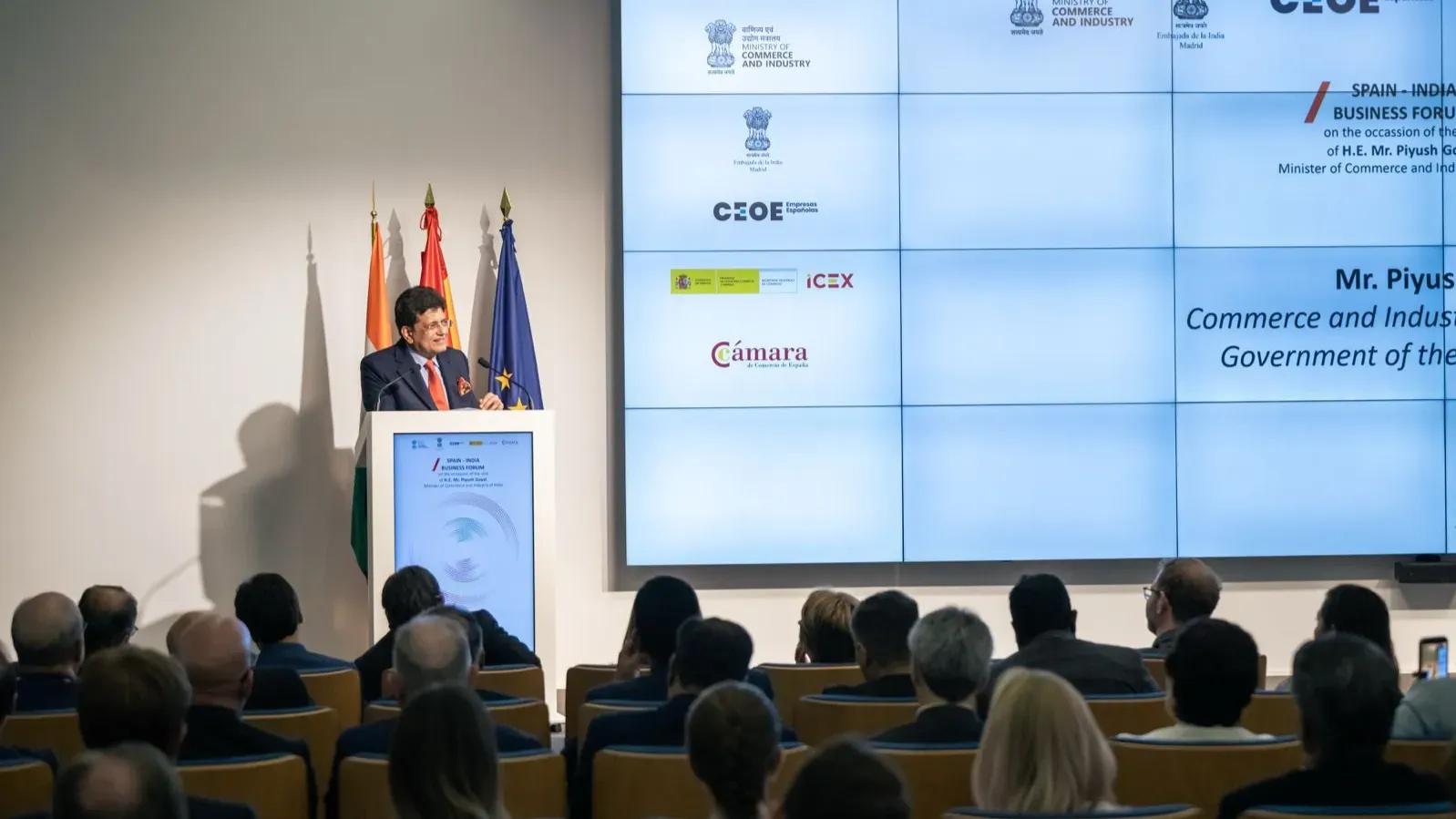
During his visit, Goyal met Spain’s First Vice-President and Minister of Economy, Trade and Business, Carlos Cuerpo Caballero, and Industry and Tourism Minister Jordi Hereu Boher. He also addressed the India-Spain Business Forum and held meetings with business leaders and representatives from Spain’s trade promotion agency, ICEX.
India-Spain Relations and Economic Cooperation
India and Spain have maintained diplomatic ties for seven decades, with growing economic and cultural exchanges. The current focus is on deepening strategic partnerships in areas such as renewable energy, advanced manufacturing, digital technologies, and infrastructure development. The Dual Year of Culture, Tourism, and Artificial Intelligence highlights the commitment to fostering collaboration across multiple sectors.
The India-Spain partnership also fits within a broader context of India’s engagement with the European Union. Both countries are working towards finalizing the India-EU Free Trade Agreement (FTA), which is expected to be completed soon. This agreement aims to facilitate smoother trade flows and investment opportunities between India and the 27 EU member states, including Spain.
Key Points from the Discussions
- Goyal and Spanish officials emphasized strengthening trade and investment ties, focusing on market access and resilient supply chains.
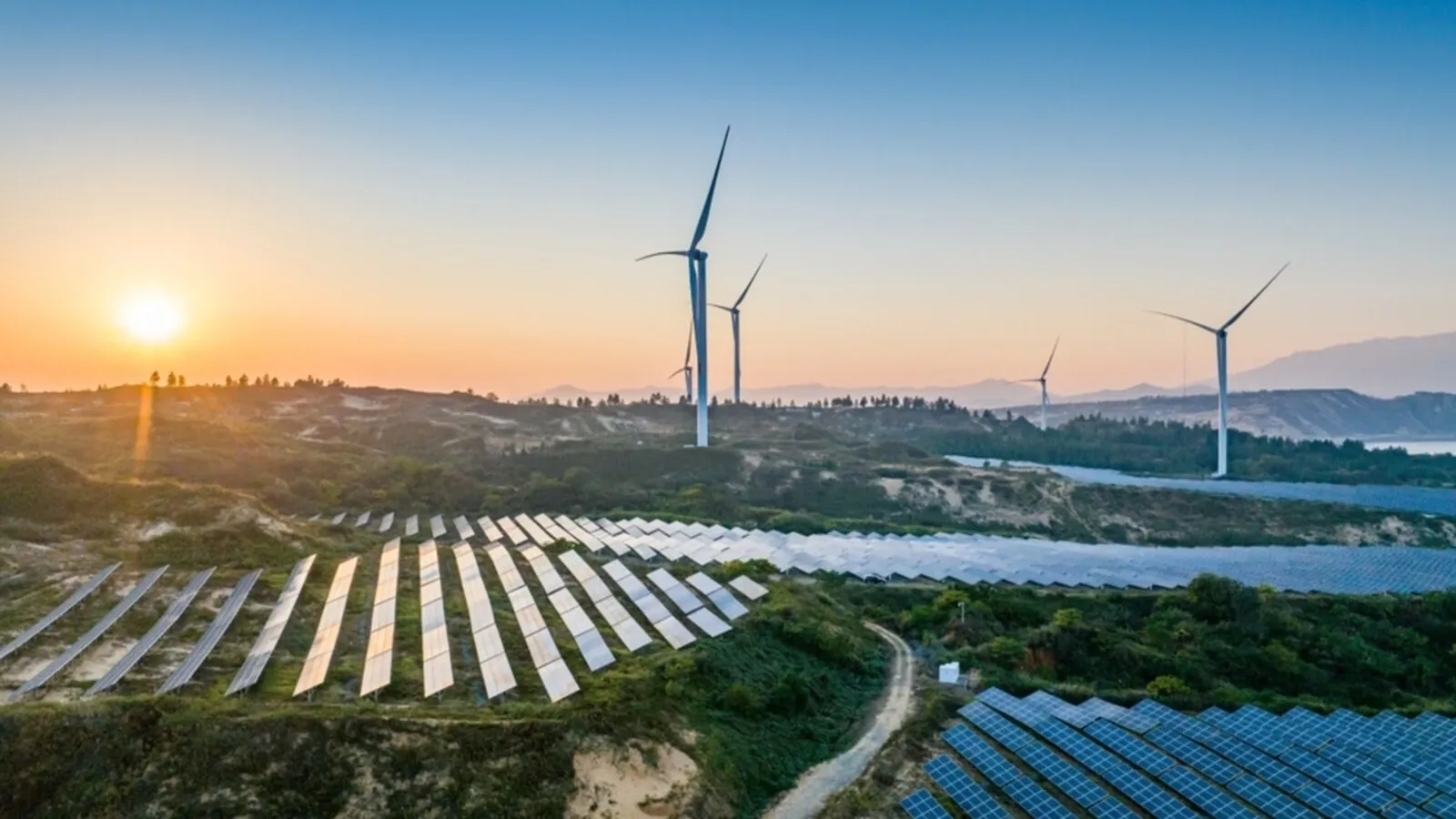
- Renewable energy, green hydrogen, digital innovation, and infrastructure were identified as priority sectors for collaboration.
- The India-EU Free Trade Agreement is nearing completion, with legal reviews expected to finish within weeks.
- Both sides agreed to use fast-track mechanisms to boost investments and enhance business confidence.
- The C-295 aircraft program was highlighted as a successful example of industrial cooperation under India’s Make in India initiative.
- Current bilateral trade stands at approximately $9.2 billion, with ambitions to increase this tenfold over the next decade.
- Plans include boosting tourism and investment flows between the two countries by ten times within ten years.
Why This Push Matters for India and Spain
The goal to multiply trade and investment by ten times reflects a strategic effort to unlock untapped economic potential. For India, expanding ties with Spain offers access to advanced technology, sustainable energy solutions, and European markets. For Spain, India represents a fast-growing economy with increasing demand for goods, services, and infrastructure development.
Strengthening industrial partnerships, such as the C-295 aircraft collaboration, showcases how joint ventures can benefit both nations by creating jobs, transferring technology, and enhancing manufacturing capabilities. The focus on innovation and green energy aligns with global trends toward sustainability and digital transformation.
Moreover, the anticipated India-EU Free Trade Agreement will provide a framework to reduce trade barriers, making it easier for businesses on both sides to operate and invest. This agreement, combined with bilateral efforts, could significantly boost economic growth and deepen diplomatic ties.
Frequently Asked Questions
Q: What is the current trade volume between India and Spain?
A: The bilateral trade between India and Spain was approximately $9.2 billion in the fiscal year 2025-26.
Q: What sectors are the focus of India-Spain cooperation?
A: Key sectors include renewable energy, green hydrogen, advanced manufacturing, digital technologies, infrastructure, tourism, and sustainable mobility.
Q: When is the India-EU Free Trade Agreement expected to be finalized?
A: The legal review of the India-EU Free Trade Agreement is expected to be completed within a few weeks, with operationalization planned shortly after the India-UK trade agreement takes effect in mid-July 2026.