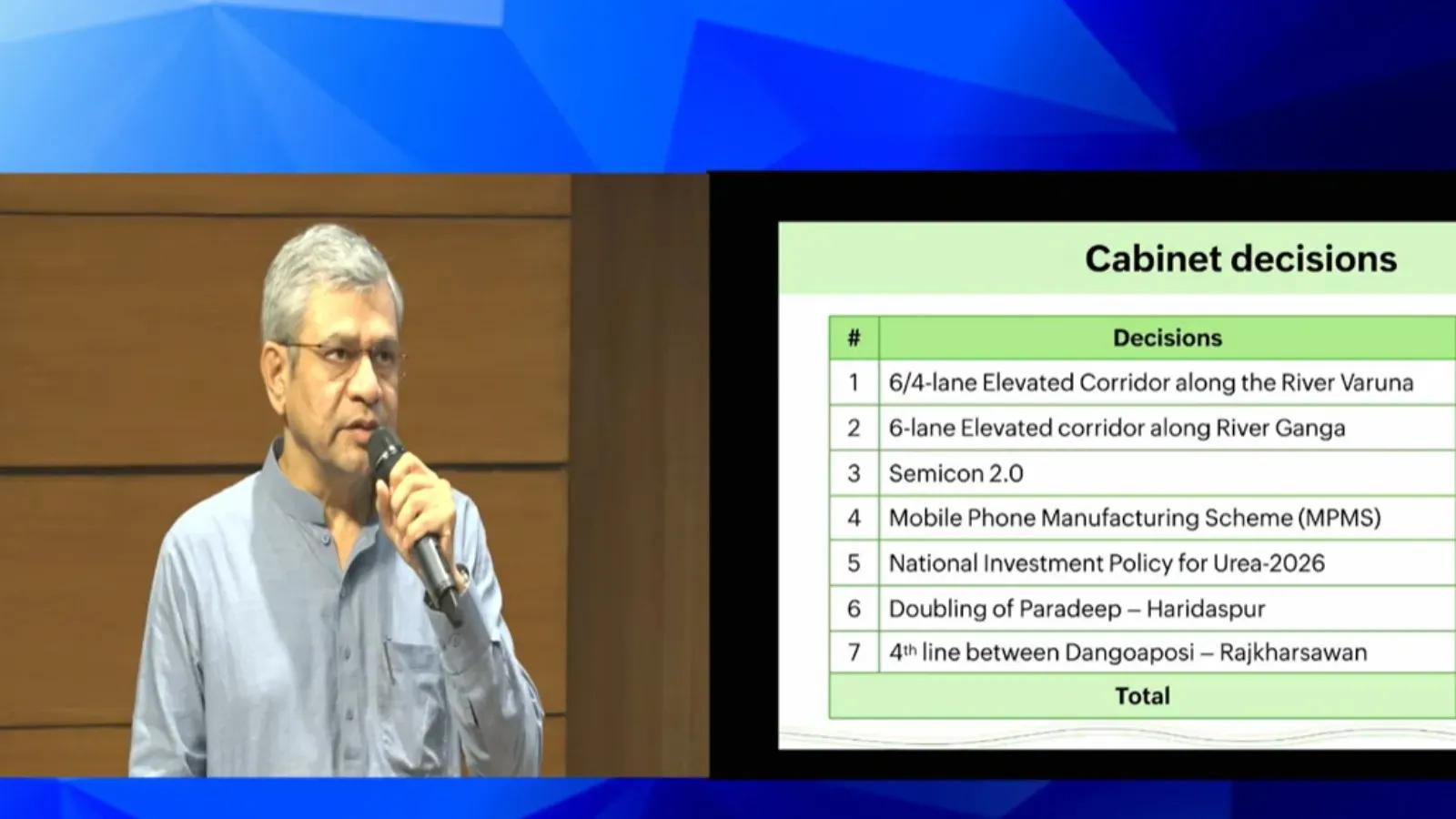
The Union Cabinet of India has given the green light to a significant Mobile Phone Manufacturing Scheme with a budget allocation of ₹62,500 crore. This decision, announced on July 15, 2026, is part of the government's ongoing efforts to expand the country's electronics manufacturing capabilities and reduce reliance on imports.
Understanding the Mobile Phone Manufacturing Scheme
The Mobile Phone Manufacturing Scheme is a government initiative designed to promote domestic production of mobile phones and related components. By providing financial incentives and support to manufacturers, the scheme aims to attract investment, encourage innovation, and create jobs within the country. This move aligns with India's broader vision to become a global hub for electronics manufacturing and reduce the trade deficit caused by heavy imports of mobile devices.
India's mobile phone market is one of the largest in the world, with millions of units sold annually. However, a significant portion of these devices is imported, which affects the country's trade balance and limits the growth of local industries. The scheme intends to change this dynamic by making domestic manufacturing more competitive and sustainable.
Key Details of the ₹62,500 Crore Scheme
- The total outlay for the scheme is ₹62,500 crore, reflecting a substantial investment in the sector.
- Financial incentives will be provided to mobile phone manufacturers to boost production capacity and technological advancement.
- The scheme targets both large-scale manufacturers and smaller players to create a diversified manufacturing ecosystem.
- It aims to generate employment opportunities across various skill levels in manufacturing, assembly, research, and development.
- By encouraging local production, the scheme seeks to reduce dependency on imports and strengthen the domestic supply chain.
- The government expects this initiative to enhance India's position in the global electronics market over the coming years.
Why This Scheme Matters for India’s Economy
This ambitious plan marks a critical step in India's push towards self-reliance in electronics manufacturing. By investing ₹62,500 crore, the government is signaling its commitment to transforming the mobile phone industry into a major contributor to the economy. The scheme is expected to attract both domestic and foreign investments, fostering innovation and technological development within the country.
Moreover, expanding mobile phone manufacturing domestically will create thousands of jobs, from factory floor workers to engineers and designers. This can have a ripple effect on related industries such as component suppliers, logistics, and retail. Reducing imports will also help improve the country's trade balance and conserve foreign exchange reserves.
In the long term, the scheme could position India as a global manufacturing hub, competing with established players in East Asia. This aligns with the government’s broader initiatives like 'Make in India' and 'Atmanirbhar Bharat' (self-reliant India), which aim to boost domestic production and reduce reliance on imports.
Frequently Asked Questions
Q: What is the main goal of the Mobile Phone Manufacturing Scheme?
A: The scheme aims to increase domestic production of mobile phones, reduce import dependence, create jobs, and strengthen India's electronics manufacturing sector.
Q: How much funding has been allocated for this scheme?
A: The Union Cabinet has approved a budget of ₹62,500 crore for the Mobile Phone Manufacturing Scheme.
Q: Who will benefit from this scheme?
A: Mobile phone manufacturers, component suppliers, workers, and the broader economy will benefit through increased production, employment, and reduced imports.