India Hosts International Training Programs on Nuclear and Chemical Weapons Prevention
India is actively involved in international efforts to prevent the spread of nuclear, chemical, and biological weapons. It hosts training programs for other countries to improve their ability to follow global non-proliferation rules. These programs are supported by the United Nations and organized under India’s training framework.
4 min read187 views
India has been working closely with the United Nations to support efforts in preventing the spread of dangerous weapons. The country has organized two special training programs focused on implementing United Nations Security Council Resolution 1540. This resolution requires countries to create laws and rules to stop non-state actors from acquiring nuclear, chemical, or biological weapons.
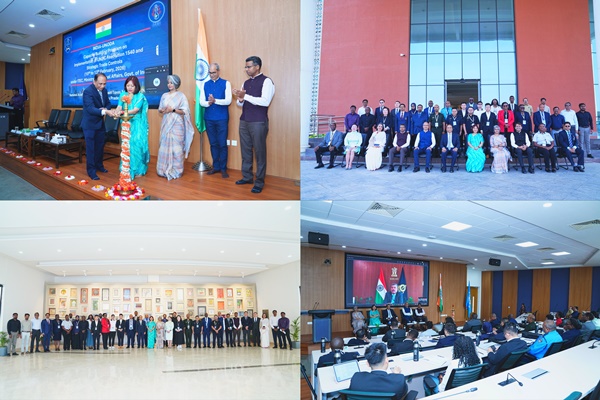
The first program took place from February 25 to 27, 2025. It was the first-ever capacity-building event on this topic, specifically for countries in the Asia-Pacific region. India worked with the United Nations Office for Disarmament Affairs to organize this event. The goal was to help participating countries understand how to put the resolution’s rules into practice.
The second program is scheduled from February 10 to 13, 2026. It is the second edition of the annual capacity-building program. This event will be held at the National Academy of Customs, Indirect Taxes, and Narcotics in Palasamudram, Andhra Pradesh, India. It aims to support countries from both Asia-Pacific and Africa.
A total of 23 government experts from nine different countries are expected to participate in the 2026 program. The participating countries are Brunei Darussalam, Kazakhstan, Kenya, Mauritius, Mongolia, Namibia, Nigeria, Tanzania, and Vietnam. These countries are working together to strengthen their national controls on strategic trade and prevent weapons proliferation.
The programs are organized through India’s Indian Technical and Economic Cooperation framework. This initiative helps countries share knowledge and build capacity to meet international rules and standards.
The main goal of these training events is to reinforce the implementation of UNSC Resolution 1540. The resolution was adopted by the United Nations Security Council in 2004. It requires all countries to adopt laws that prevent nuclear, chemical, or biological weapons from falling into the hands of terrorists or non-state actors.
Experts and speakers from various organizations contribute to these programs. Representatives include officials from UNODA, India’s Central Board of Indirect Taxes and Customs, the National Authority for Chemical Weapons, the Department of Biotechnology, the Directorate General of Foreign Trade, and other government divisions. These experts share their experiences and best practices for implementing export controls and strengthening legal frameworks.
The programs are held at the National Academy of Customs, Indirect Taxes, and Narcotics in Palasamudram, Andhra Pradesh. This location is chosen because it is a center for training on customs and trade regulations.
India’s hosting of these events demonstrates its strong commitment to non-proliferation. It shows that India takes its role seriously in preventing the spread of dangerous weapons worldwide. India has a solid legal and regulatory system in place to follow the guidelines of UNSC Resolution 1540. The country’s efforts highlight its dedication to global disarmament and non-proliferation.
These capacity-building programs are important for strengthening regional cooperation. They help participating countries develop effective laws and systems to control military exports and prevent the misuse of chemical and biological materials. Such cooperation is crucial to prevent weapons of mass destruction from being acquired by terrorist groups or other non-state actors.
India also emphasizes international collaboration through these programs. The events reflect India’s support for multilateral efforts guided by the United Nations. Participation in these initiatives aligns with India’s involvement in various international export control regimes, which aim to monitor and regulate the trade of sensitive materials.
UN Security Council Resolution 1540 was created to ensure that all countries take measures to prevent weapons of mass destruction from falling into the wrong hands. It places responsibility on each country to develop laws and controls that are enforceable, comprehensive, and effective.
India has supported Resolution 1540 consistently. The country has organized national conferences on strategic trade controls and actively participates in international disarmament efforts. These actions demonstrate India’s ongoing commitment to global non-proliferation goals.
The United Nations Office for Disarmament Affairs works with member states to promote the universal adoption of Resolution 1540. It assists countries in implementing their national laws and provides technical support and training to strengthen enforcement.
Overall, India’s hosting of these capacity-building programs underlines its role in supporting international efforts to combat weapons proliferation. By sharing expertise and fostering regional cooperation, India contributes to a safer world where the threat of weapons of mass destruction is minimized.