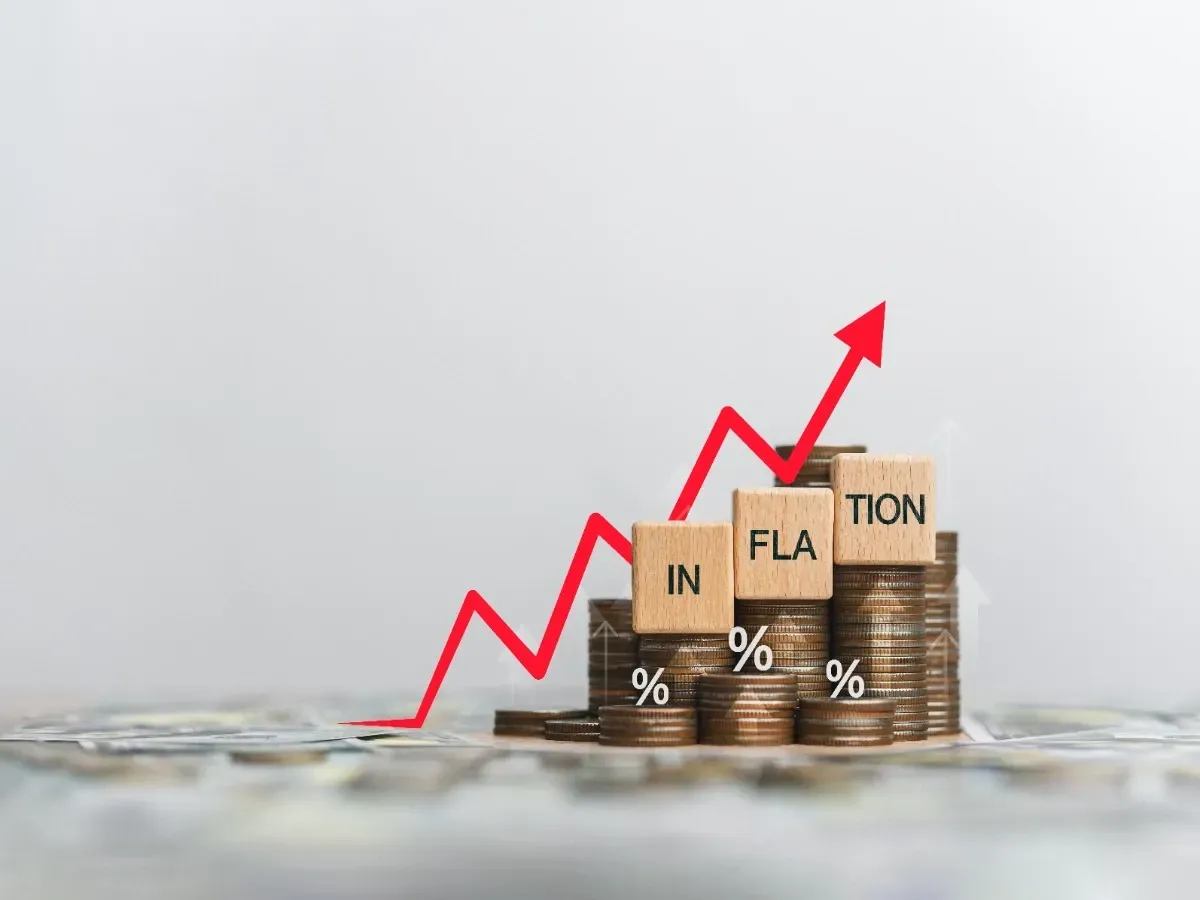
India's retail inflation increased to 4.38% in June 2026, up from 3.93% in May, reflecting a rise in food prices and other key commodities. Official data released on July 13 showed that food inflation, measured by the Consumer Food Price Index (CFPI), also accelerated to 5.32% in June from 4.78% in May. This inflationary trend affected both rural and urban areas, with rural food inflation at 5.45% and urban food inflation at 5.09%.
Understanding Inflation and Its Measurement in India
Inflation refers to the rate at which the general level of prices for goods and services rises, eroding purchasing power. In India, retail inflation is tracked through the Consumer Price Index (CPI), which measures price changes across a basket of goods and services commonly consumed by households. The Consumer Food Price Index (CFPI) is a subset of CPI focusing specifically on food items, which tend to have a significant impact on overall inflation due to their large share in consumer spending.
The Reserve Bank of India (RBI) targets a headline inflation rate of 4%, allowing a margin of 2% on either side, meaning inflation between 2% and 6% is considered acceptable for economic stability. Inflation rates above this range can affect consumer spending, savings, and economic growth.
Key Inflation Figures and Items Driving Price Increases
- Retail inflation rose to 4.38% in June 2026, up from 3.93% in May.
- Food inflation accelerated to 5.32% in June, compared to 4.78% in May.
- Rural inflation increased to 4.74%, while urban inflation rose to 3.92%.
- Rural food inflation stood at 5.45%, urban food inflation at 5.09%.
- Housing inflation was recorded at 2.10%, with rural housing inflation at 2.66% and urban housing inflation at 1.90%.
- Among individual items, silver jewellery experienced the highest annual inflation at 133.21%.
- Other notable inflation rates include ginger at 50.41%, gold, diamond and platinum jewellery at 36.82%, tomatoes at 31.92%, and raisins and monacca at 20.52%.
Why Rising Inflation Matters for Consumers and the Economy
The increase in retail and food inflation signals rising costs for everyday goods, which can strain household budgets, especially for lower and middle-income families. Food items, being essential, have a direct impact on living costs. The sharp rise in prices of silver jewellery and spices like ginger also reflects supply-demand imbalances or other market pressures.
Higher inflation can influence monetary policy decisions by the Reserve Bank of India, potentially leading to interest rate adjustments to keep inflation within target ranges. For consumers, this means borrowing costs could rise, affecting loans and mortgages. Businesses may also face higher input costs, which can be passed on to consumers, creating a cycle of price increases.
Understanding these inflation trends helps consumers anticipate changes in their expenses and encourages policymakers to take measures to stabilize prices and support economic growth.
Frequently Asked Questions
Q: What causes food inflation to rise faster than overall inflation?
A: Food inflation can rise faster due to factors like poor harvests, supply chain disruptions, seasonal shortages, and increased demand. Since food items make up a large part of consumer spending, their price changes heavily influence overall inflation.
Q: Why is silver jewellery inflation so high compared to other items?
A: The sharp increase in silver jewellery prices, at 133.21%, may be due to supply constraints, increased demand, or fluctuations in global precious metal markets, which can significantly affect domestic prices.
Q: How does inflation affect everyday consumers in India?
A: Inflation reduces the purchasing power of money, meaning consumers have to spend more to buy the same goods and services. This can impact household budgets, savings, and overall economic wellbeing, especially for essential items like food and housing.