India and the United Kingdom officially began implementing their Comprehensive Economic and Trade Agreement (CETA) on July 15, 2026. This new trade deal aims to increase bilateral trade from the current $55-60 billion to $100 billion by 2030. It introduces significant tariff reductions and exemptions across various sectors, including textiles, automobiles, IT services, and alcoholic beverages, reshaping trade relations between the two countries.
Understanding the India-UK Trade Agreement
The India-UK CETA is designed to deepen economic ties by removing or reducing tariffs on many goods and services traded between the two nations. It covers a wide range of industries, from traditional exports like textiles and leather to emerging sectors such as information technology and clean mobility. The agreement also includes provisions to facilitate temporary work visits for Indian IT professionals in the UK, enhancing cooperation in the services sector.
However, India has taken a cautious approach regarding its clean mobility ecosystem. To protect its emerging electric vehicle (EV) and hydrogen-powered vehicle industries, India has not granted tariff concessions on these vehicles or hybrids during the first five years of the agreement. This move aims to support domestic innovation and manufacturing in the clean transportation sector.
Key Changes and Benefits for Indian Industries
- Textiles and Garments: Tariffs on Indian textile and garment exports to the UK are eliminated, dropping from previous rates of 4-12%. This change is expected to make Indian products more competitive compared to exports from Bangladesh, Vietnam, Thailand, and China.
- Automobiles: Import duties on fully built conventional vehicles will be reduced from 110% to 10% gradually. Indian auto components such as castings, forgings, wiring systems, and automotive electronics will gain zero-duty access to the UK market. However, tariff benefits for electric and hydrogen vehicles will only begin after five years.
- Information Technology: Indian IT companies like TCS, Tech Mahindra, Wipro, and Infosys will benefit from cost savings as Indian IT professionals visiting the UK temporarily are exempted from social security contributions for five years, extended from three years previously.
- Leather and Footwear: Tariffs ranging from 4% to 12% on Indian leather and footwear exports to the UK will be completely removed, enhancing competitiveness.
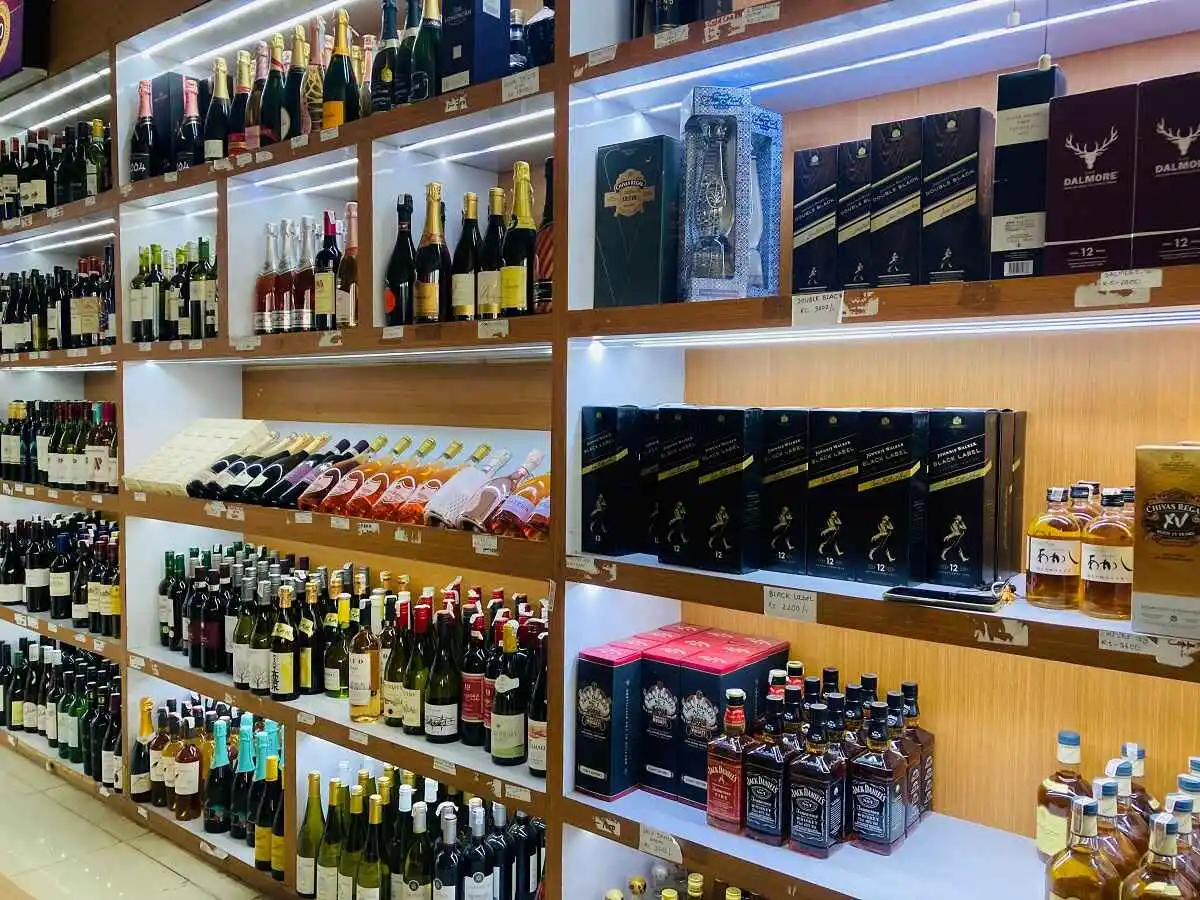
- Spirits and Alcoholic Beverages: Customs duties on premium UK spirits such as Scotch and whiskey will be reduced from 150% to 75%, with further phased reductions to 40%, subject to minimum import prices. This will make international liquor brands more accessible to Indian consumers.
What the Trade Deal Means for Indian Businesses and Consumers
The agreement opens new opportunities for Indian exporters by providing duty-free or reduced-tariff access to the UK market, encouraging diversification beyond traditional trading partners like the United States. Indian textile and garment manufacturers, in particular, stand to gain a competitive edge, potentially increasing their market share in the UK.
Automobile manufacturers face a mixed outlook. While conventional vehicle imports will become more affordable, the delay in tariff concessions for electric and hydrogen vehicles reflects India's intent to nurture its clean mobility sector domestically. This cautious stance may influence the pace at which green vehicles penetrate the UK market from India.
For Indian IT firms, the extended social security exemption reduces operational costs, potentially improving profit margins on UK projects and encouraging greater collaboration. Consumers in India may also benefit from a wider selection of premium UK spirits at lower prices, reflecting the tariff cuts on alcoholic beverages.
Frequently Asked Questions
Q: Why has India excluded electric and hydrogen vehicles from tariff concessions initially?
A: India aims to protect and develop its emerging clean mobility industry by not granting tariff concessions on electric, hybrid, and hydrogen vehicles during the first five years of the agreement. This allows domestic manufacturers time to grow without immediate competition from imports.
Q: How will Indian textile exporters benefit from the new trade deal?
A: Indian textiles and garments will enter the UK market duty-free, removing previous tariffs of 4-12%. This makes Indian products more price-competitive compared to other countries, potentially increasing exports to the UK.
Q: What changes will Indian IT companies see under the agreement?
A: Indian IT professionals visiting the UK temporarily will be exempt from social security contributions for five years, up from three years. This reduces costs for IT firms and can improve margins on UK-based projects.