India and the United Kingdom will implement a new trade agreement on July 15, 2026, significantly reducing import duties on UK-built passenger vehicles. This change is expected to benefit Tata Motors Passenger Vehicles, which owns the British luxury carmaker Jaguar Land Rover (JLR), by making its UK-manufactured cars more affordable in the Indian market.
The deal aims to strengthen bilateral trade, with both countries targeting to double trade volume from $56 billion to over $100 billion by 2030. A key feature of this agreement is the phased reduction of customs duties on UK-made cars, which will drop from the current 110% to 30% in the first year and eventually to 10% by the fifth year.
Understanding the India-UK Trade Agreement on Vehicles
The India-UK trade deal, announced in 2025, focuses on lowering tariffs and simplifying customs procedures to boost trade flows. For Indian exporters, the agreement offers duty-free access for 99% of goods exported to the UK. In return, India will gradually reduce tariffs on 90% of UK exports, including passenger vehicles.
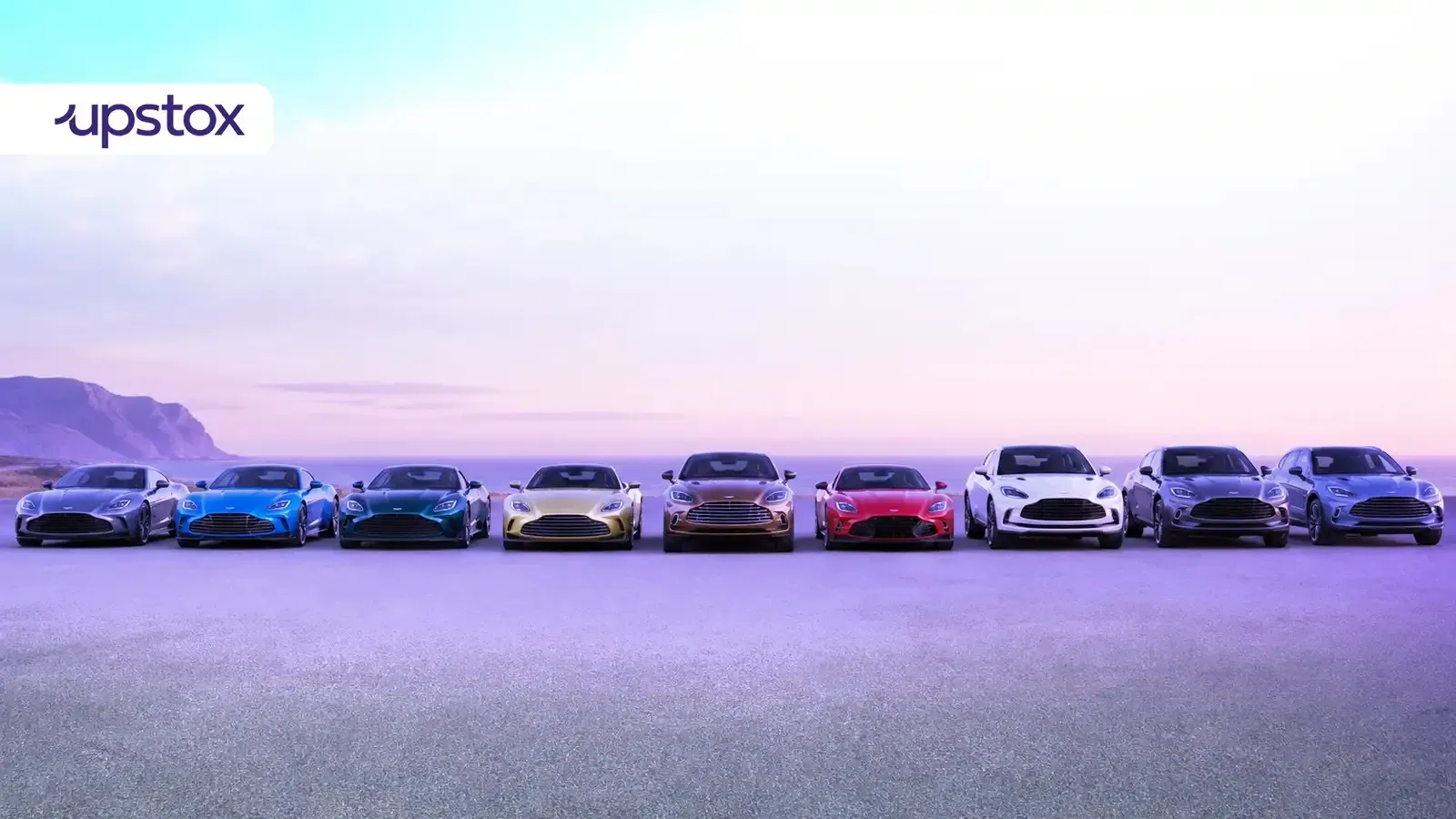
One of the most significant changes involves luxury cars manufactured in the UK, including brands such as Rolls-Royce, McLaren, Bentley, Aston Martin, Range Rover, Discovery, and Defender. These vehicles will see import duties fall sharply, making them 20% to 30% cheaper in India.
Key Details of the Import Duty Reductions
- Import duty on UK-built cars will decrease from 110% to 30% starting July 15, 2026.
- Over the next five years, duties will further reduce to 10%.
- A quota system will allow up to 20,000 UK-built cars to be imported annually at the reduced duty rate in the first year.
- The quota represents less than 1% of India’s total passenger vehicle sales, minimizing impact on domestic automakers.
- Luxury UK cars priced above ₹1 crore will become more competitively priced compared to European brands.
For example, a Range Rover priced at approximately ₹2 crore before duties would have cost around ₹4.2 crore with the previous 110% import duty. Under the new deal, the duty will be 30%, reducing the price to about ₹2.6 crore before additional taxes and fees.
Implications for Tata Motors and the Indian Luxury Car Market
Tata Motors Passenger Vehicles stands to gain significantly from this trade deal because it owns Jaguar Land Rover, which produces many of the affected luxury models in the UK. The reduction in import duties will give Tata Motors a pricing advantage over other European luxury car manufacturers such as Mercedes-Benz, BMW, Audi, Ferrari, and Lamborghini, which still face higher import tariffs.
This price advantage could help Tata Motors increase its market share in India’s luxury car segment. However, the deal’s quota system limits the number of UK cars imported at reduced duties, which may temper the scale of impact initially.
The European Union is also negotiating a trade deal with India, which may level the playing field in the future. Until then, Tata Motors could enjoy a competitive edge in the luxury vehicle market.
Frequently Asked Questions
Q: When will the India-UK trade deal take effect for passenger vehicles?
A: The trade agreement will come into effect on July 15, 2026, with import duties on UK-built cars dropping from 110% to 30% initially.
Q: How will the reduced import duties affect the prices of UK luxury cars in India?
A: Prices of UK luxury cars like Range Rover are expected to decrease by 20% to 30%, making them significantly more affordable compared to before the deal.
Q: Will this trade deal impact Indian car manufacturers?
A: The deal introduces a quota limiting the number of UK cars imported at reduced duties, and since UK luxury cars target a high price segment, the impact on Indian automakers is expected to be minimal.