Indian Financial Markets Rise During Budget Week
Indian stock markets and currency experienced notable growth during the extended Budget week, driven by positive trade news and central bank actions.
2 min read164 views
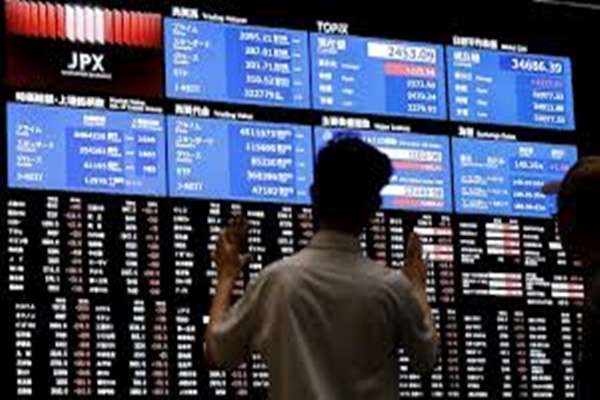
During the extended Budget week, financial markets in India saw a significant rise. On February 7, 2026, the Sensex, which is a main stock index in India, increased by 1,311 points. This was a rise of 1.6% from the previous day, and the index closed at 83,580. The Nifty, another important stock index, also gained 373 points, or 1.5%, closing at 25,694.
At the same time, the Indian rupee gained strength. It closed at 90.66 against the US dollar, which is an increase of 1.33 rupees. This means the currency became stronger compared to the dollar during this period.
These outcomes were influenced by a few key factors. One was the announcement of a trade agreement between the United States and India. This was seen as positive news for traders and investors. Additionally, the Reserve Bank of India, which is the country’s central bank, announced policy decisions that also contributed to the market gains.
In response to the stock market and currency movements, the Reserve Bank of India took action in the foreign exchange market. After the announcement of the federal budget, the rupee initially faced a decline as investors reacted to the budget. However, the RBI stepped into the market to support the rupee, helping it to recover and strengthen.
Despite these market movements, as of February 8, 2026, there is no official confirmation or detailed information about the specific content of the US-India trade agreement. Similarly, the details of the Reserve Bank of India's policy outcomes during this period have not been officially confirmed.
The rise in the markets and the currency is considered significant because it reflects investor confidence and positive economic signals. The government's announcement of a trade deal and the central bank's supportive actions are seen as factors that can bolster economic stability.
This week’s developments could have broader implications for India’s economy. A strong stock market can encourage investment, while a stable and appreciating currency can boost imports and foreign investment. However, without official details on the trade agreement or specific policy outcomes, the full impact remains to be seen.
Overall, the Indian markets showed resilience and positive movement during this period, driven by favorable news and proactive measures by the central bank. Investors and economic observers will be watching closely for more details as they become available.