Indian Rupee Experiences Major Jump Following Rumors of US-India Trade Deal
The Indian rupee saw its biggest one-day rise in over seven years amid reports of progress in trade negotiations with the United States. The market response included a sharp increase in the rupee's value and a rally in prominent Indian stock indices.
3 min read161 views
On February 3, 2026, the Indian rupee strengthened significantly against the US dollar. It gained 124 paise, reaching a new rate of 90.27. This marked the largest single-day increase in over seven years for the Indian currency. Such a large rise in the rupee's value attracted attention from traders and economic analysts.
The rise was mainly due to reports suggesting that India and the United States were close to reaching a trade agreement. The reports indicated that the deal could lead to a reduction in reciprocal tariffs to 18 percent. This news was seen as a positive development for trade relations between the two countries.
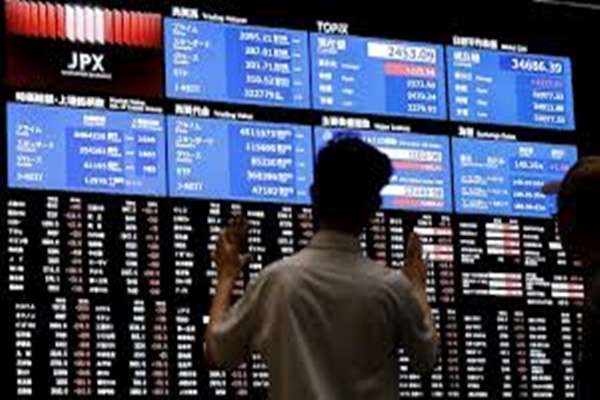
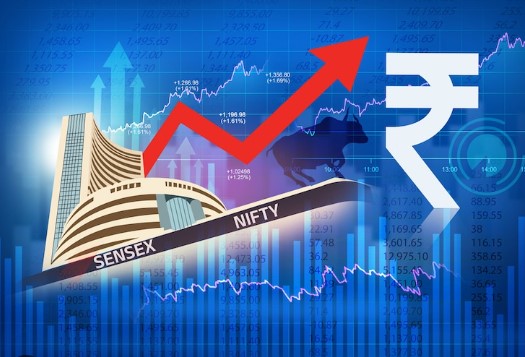
Along with the rupee's sharp gain, the Indian stock markets also performed well. The Sensex and Nifty indices, which are important indicators of market health, rallied after the news. Their positive movement reflected increased investor confidence and market optimism following the expected trade progress.
However, it is important to note that as of February 7, 2026, there has been no official confirmation about the specific details of the trade deal between India and the US. The reports and market reactions are based on unconfirmed information, and no formal agreement has been officially announced or signed.
The large movement of the rupee and the stock indices demonstrates how market sentiment can react quickly to news and rumors related to international trade and diplomacy. Such developments can influence currency and stock market performance significantly, even before official confirmation.
Looking back, the Indian rupee had experienced different movements in recent times. On July 23, 2024, the rupee closed at a record low of 83.6937 against the US dollar. This decline followed the Indian government's decision to increase tax rates on capital gains in the Union Budget for 2024, which was presented on that date.
The 2024 Union Budget also proposed relaxing norms for foreign direct investment (FDI) and overseas investments. These measures aimed to attract more foreign inflows into the Indian economy. The idea was to make it easier for foreign companies and investors to invest in India and promote economic growth.
Despite these policies, the market reaction to the budget itself was mixed. As of February 7, 2026, there has been no official confirmation on how the budget has affected the Indian stock market or the rupee’s performance in the longer term. The market's response to economic policy changes can take time to materialize and depend on a variety of factors.
In summary, the recent large rise in the rupee was driven by reports of progress in India-US trade negotiations, although no formal agreement has been confirmed yet. This development reflects how international trade news can influence currency and stock markets. Investors continue to monitor such news closely to guide their decisions, while official information remains the key to understanding the actual impact on the economy and markets.