Indian Stock Market and Rupee Strengthen in February 2026
The Indian stock market saw significant gains in early February 2026, and the rupee also appreciated against the US dollar. Experts link these changes to recent trade and policy developments, though official details are still awaited.
3 min read125 views
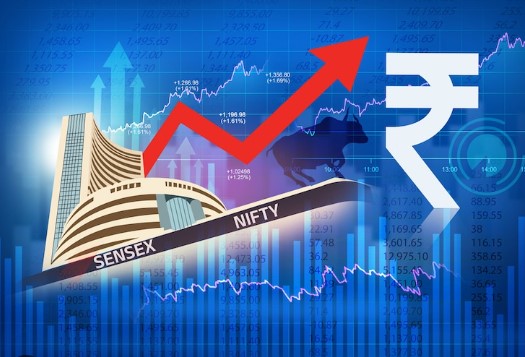
In early February 2026, the Indian stock market experienced a strong rally. The Sensex, an important index measuring the stock prices of major companies, went up by 1,311 points. This increase was about 1.6 percent, and the Sensex closed at 83,580 points. Similarly, the Nifty, another key stock index, rose by 373 points, or 1.5 percent, finishing at 25,694 points.
Along with the stock market rise, the Indian rupee also gained strength during this period. The rupee appreciated by 1.33 rupees and closed at 90.66 against the US dollar. This means that the Indian currency became more valuable compared to the dollar.
The appreciation of the rupee was linked to positive news in the country’s economic environment. Experts say that the announcement of a trade agreement between the United States and India played a role in this change. Additionally, the outcomes of recent policy decisions by the Reserve Bank of India, the country's central bank, are believed to have contributed.
Despite these movements in the market and currency, there is no official confirmation yet on the specifics of the trade agreement between the US and India. Similarly, no official details have been released regarding the policy decisions made by the Reserve Bank of India that might influence the economy.
The stock market's rise indicates investor confidence and optimism during this period. Investors may have reacted positively to the news about the potential trade agreement and the central bank’s policies. Such developments often influence market performance and currency values.
The appreciation of the rupee against the dollar can have various implications. A stronger rupee makes imports cheaper for India but can make exports more expensive abroad. It also reflects a shift in investor sentiment and the overall strength of the country's economic outlook at this moment.
It is important to note that the official positions on the trade talks and monetary policy decisions remain undisclosed. As a result, analysts are closely watching for further announcements that could impact future market and currency movements.
This period of economic activity highlights the importance of trade relations and monetary policies for the country's financial stability. The developments also demonstrate how international agreements and domestic policy outcomes can influence financial markets and currencies.
Overall, the period ending February 7, 2026, marked a significant moment for India's markets and currency. Investors and policymakers continue to monitor the situation, awaiting official updates to better understand the full impact of these events on India's economic future.