Iran and the United States Hold Indirect Nuclear Talks in Oman
Iran and the United States conducted indirect discussions in Oman to address nuclear concerns. The talks marked a significant development in ongoing negotiations.
3 min read201 views
In February 2026, Iran and the United States engaged in indirect talks in Oman about their nuclear programs. These discussions are part of ongoing efforts to address issues related to nuclear development and international relations.
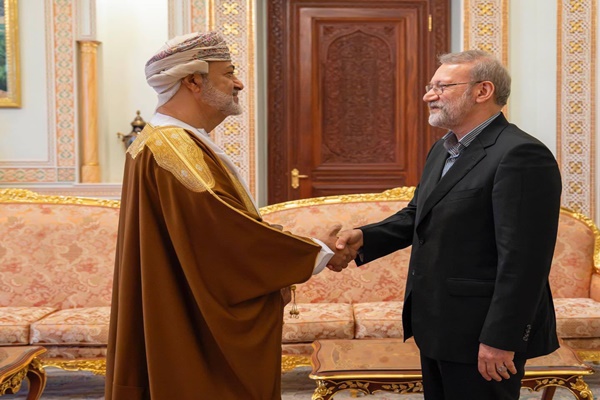
The talks took place in Muscat, the capital city of Oman. Iran sent its top security official, Ali Larijani, who is the Secretary of Iran's Supreme National Security Council. He met with Omani officials, including Sultan Haitham bin Tariq Al Said, to discuss recent developments in the negotiations.
The United States was represented by officials involved in direct communication with Iran. During these discussions, the two sides exchanged views and explored pathways towards resolving disagreements related to Iran's nuclear activities.
On the same day as the talks, the U.S. President publicly announced that the discussions were very good. This statement was significant because it was the first time since June 2025 that the two countries held such direct or indirect talks about their nuclear plans.
Despite the positive tone of the announcement, there has been no official confirmation about the involvement of several key figures. There are no verified reports confirming whether military officials, advisors, or other government representatives from either side participated in the discussions.
Specifically, it has not been confirmed if Adm. Brad Cooper, who is the commander of U.S. forces in the Middle East, joined the talks. Likewise, Jared Kushner, who is a senior advisor and the son-in-law of the U.S. President, has not been confirmed as a participant. Additionally, U.S. Special Envoy Steve Witkoff and several Iranian officials, including Foreign Minister Abbas Araghchi and other deputy foreign ministers, have not been officially reported to have been part of the dialogue.
These negotiations come at a time when efforts are being made to improve communication and possibly find solutions to long-standing disagreements over Iran’s nuclear program. The discussions may influence future relations and negotiations, particularly if they lead to further talks or agreements.
The event marks a notable moment in international diplomacy, showing renewed engagement between Iran and the U.S., despite the complexity of their relationship. The talks in Oman represent a step towards dialogue, even if they are limited in scope and participation.
Many details remain unclear, including who exactly attended on each side and what specific outcomes, if any, were achieved. As of now, both nations have not released detailed official statements about the full scope or next steps of these discussions.
The current situation underscores the importance of ongoing diplomatic efforts. While no formal agreements have been announced, these talks demonstrate a willingness from both Iran and the U.S. to communicate and explore options for cooperation on nuclear issues.
In summary, Iran and the United States held indirect nuclear talks in Oman, led by high-level officials, with the U.S. expressing optimism about the discussions. The absence of confirmed participation from certain key figures suggests that negotiations are still in their early or exploratory stages. The outcome of these talks could have broader implications for regional stability and international relations moving forward.