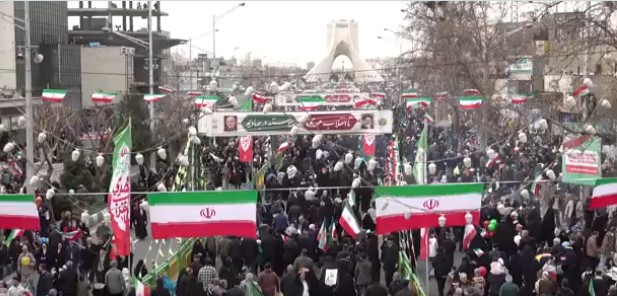
Iran Celebrates Its Islamic Revolution Anniversary Amid Rising Tensions
Iran marked the 47th anniversary of the Islamic Revolution with nationwide rallies. At the same time, regional and international tensions are heightened, involving negotiations, military concerns, and diplomatic warnings.
3 min read210 views
Iran celebrated the 47th anniversary of the Islamic Revolution with nationwide rallies. These celebrations took place across the country, including large processions that gathered in Tehran's Azadi Square. People showed their patriotism through demonstrations and slogans, which also included burning flags and displaying symbols representing the country’s missile and nuclear programs.
In addition to these festivities, Iran’s leadership issued strong statements. The country’s Supreme Leader, Ayatollah Ali Khamenei, issued a stern warning to the United States. He said that any U.S. military involvement in the region would cause significant and irreparable damage.
On the same day, Iran’s President Masoud Pezeshkian reaffirmed Iran’s position on its nuclear program. He said Iran is willing to negotiate and emphasized that Iran is not seeking to develop nuclear weapons. This statement is part of Iran’s ongoing effort to communicate its stance against international concerns about its nuclear activities.
Meanwhile, Iran's senior officials are involved in diplomatic discussions. Ali Larijani, a senior Iranian official, met with leaders from Qatar and representatives from Hamas and Yemen’s Houthi rebels. These meetings are part of ongoing but fragile negotiations to possibly ease regional tensions.
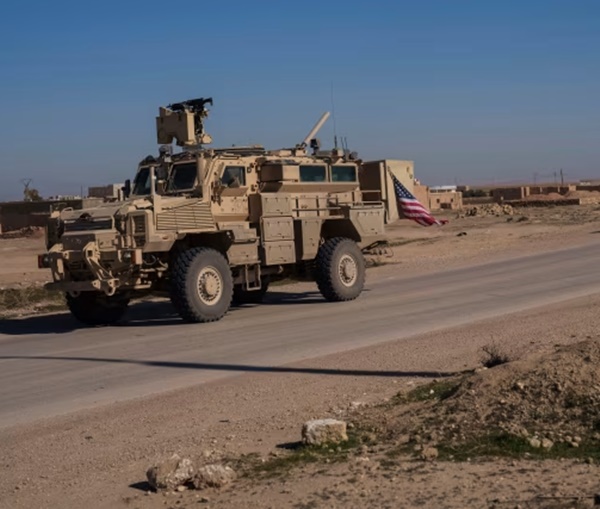
The situation in the Middle East remains tense. The United States has signaled it may send a second aircraft carrier to the region. This move raises concerns about possible military conflict if diplomatic efforts do not succeed. The presence of additional military forces emphasizes the seriousness of the current tensions.
International figures have called for restraint. France’s Foreign Minister, Jean-Noël Barrot, urged Iran-backed groups in the Middle East to exercise the greatest restraint. His call highlights ongoing worries about potential escalation involving Iran and the United States.
The United States is also taking a firm stance. President Donald Trump has indicated the possibility of deploying more military assets to the Middle East. These actions reflect fears that conflicts could escalate further if diplomacy does not prevail.
The tensions are complicated by recent actions within Iran itself. In November of the previous year, Iranians commemorated the anniversary of the U.S. Embassy takeover in 1979. During those rallies, participants chanted anti-U.S. and anti-Israel slogans. They also burned flags and displayed replicas of missiles and centrifuges, signaling ongoing opposition to Western policies.
Iran’s leadership reaffirmed their stance. The Supreme Leader reiterated that there will be no normalization of relations with Washington. Iran continues to oppose diplomatic ties with the U.S., maintaining a hard line in its rhetoric and policies.
Iran’s parliament has accused Western countries of targeting Iranian scientists. They suggest these actions are meant to prevent Iran from becoming a powerful nation. Iran also announced that it has halted cooperation with the International Atomic Energy Agency. It has retained uranium enriched to 60%, which is close to weapons-grade levels.
In response, the United Nations has reimposed sanctions on Iran. These sanctions include freezing assets and restricting arms and missile development. The move aims to pressure Iran to curb its nuclear activities.
Looking at the timeline, Iran's celebrations and tensions have increased over the past few years. In 2024, Iran marked the 45th anniversary of the Islamic Revolution amid regional tensions related to the Israel-Hamas conflict. Large rallies took place across the country, especially in Tehran.
Overall, Iran remains committed to its national sovereignty and its stance against perceived external threats. At the same time, the ongoing negotiations and regional tensions highlight the complex nature of Middle East geopolitics. The situation continues to evolve, with military, diplomatic, and nuclear issues at the forefront of regional and international concerns.