Jadavpur University (JU) in Kolkata has 63 researchers named in the 2026 lists of the world’s top 2% scientists, marking the highest count among state universities in India. This recognition by Elsevier and Stanford University highlights JU’s strong research culture, built over years of dedicated academic work and collaboration.
- JU has 48 researchers in the career-long list and 50 in the single-year list, with 35 appearing in both.
- The lists evaluate scientists based on citations and research output in their subject subfields.
- JU’s research environment grew significantly since the late 1990s, despite limited funding and infrastructure.
- Faculty emphasize the importance of foundational training, collaboration, and external funding support.
- JU seeks greater investment to maintain and expand research facilities and fellowships.
What does the top 2% scientists list represent?
The 2026 top 2% scientists lists, compiled by Elsevier and Stanford University, recognize researchers worldwide based on their career-long and single-year scientific contributions. The career-long list considers research output from 1996 to 2025, while the single-year list focuses on performance in a particular year. Citations and impact within specific subject subfields are key evaluation criteria.
How has Jadavpur University developed its research culture?
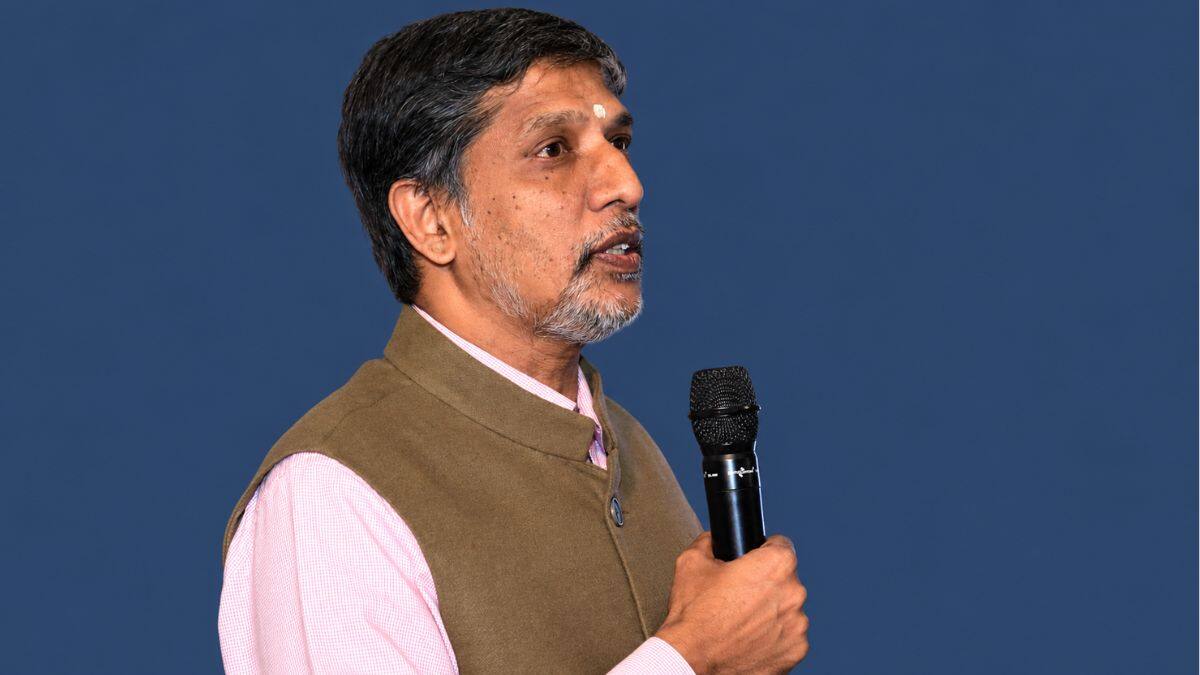
According to Ranjan Ganguly, a faculty member in JU’s Department of Power Engineering, research interest among students began rising in the late 1990s. Despite limited sophisticated instruments and funding, JU focused on strong foundational training and collaboration. Ganguly, who returned to JU after earning his PhD in the United States, noted that the university environment improved considerably since 2005, encouraging students and faculty to pursue research rigorously.
What are some notable research projects at JU?
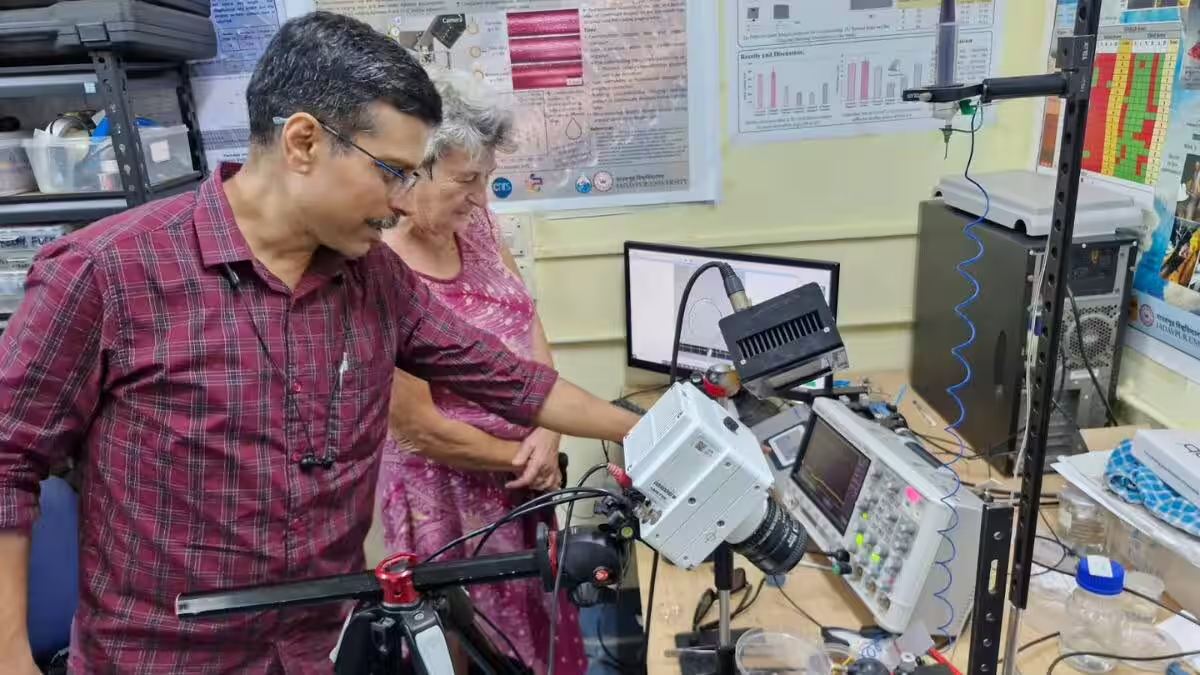
JU’s Department of Power Engineering conducts projects on energy and water conservation. For example, researchers work with the Damodar Valley Corporation to reduce water wastage in cooling towers. Other projects include solar-based methods to reduce water salinity in the Sundarbans and fog harvesting techniques to collect potable water. These projects demonstrate JU’s commitment to addressing real-world environmental challenges.
How do JU researchers view their rankings and challenges?
Kunal Roy from the Department of Pharmaceutical Technology, who ranks first in India in medicinal and biomolecular chemistry, emphasized that the rankings reflect years of sustained research and citations. However, faculty members acknowledge funding constraints, especially for new researchers who must secure external grants to build their laboratories. Limited institutional funding also affects fellowships for doctoral students, which are crucial for manpower development.
What support does JU seek for future research growth?
JU officials hope for increased investment from state and central governments to maintain and expand research infrastructure. The university was previously considered for the Institute of Eminence upgrade but did not receive the anticipated funding. Proposed funding of around Rs 1,000 crore could enhance campus facilities, support doctoral research, and strengthen laboratories. Faculty members also call for greater recognition of JU’s research achievements to raise awareness of their global impact.
Who are some of the JU researchers featured in the top 2% lists?
The lists include 63 unique researchers from JU across various fields such as medicinal and biomolecular chemistry, mechanical engineering, energy, chemical engineering, artificial intelligence, and history. Notable names include Kunal Roy (medicinal chemistry), Ranjan Ganguly (mechanical engineering), and Kaushik Roy (history), the only social science researcher on the list.
Frequently Asked Questions
Q: What criteria are used to select scientists for the top 2% list?
A: Scientists are selected based on their research output, citations, and impact within their specific subject subfields over career-long and single-year periods.
Q: Why is JU’s achievement significant?
A: JU’s 63 researchers in the top 2% list represent the highest count among state universities in India, reflecting strong research culture despite limited funding and infrastructure.
Q: How does JU support its researchers?
A: JU provides foundational training and fosters collaboration. However, researchers often rely on external grants to develop laboratories and fund projects due to limited institutional resources.
Q: What future support does JU need?
A: JU seeks increased funding from government sources to improve infrastructure, provide fellowships, and expand research facilities to sustain and grow its research output.