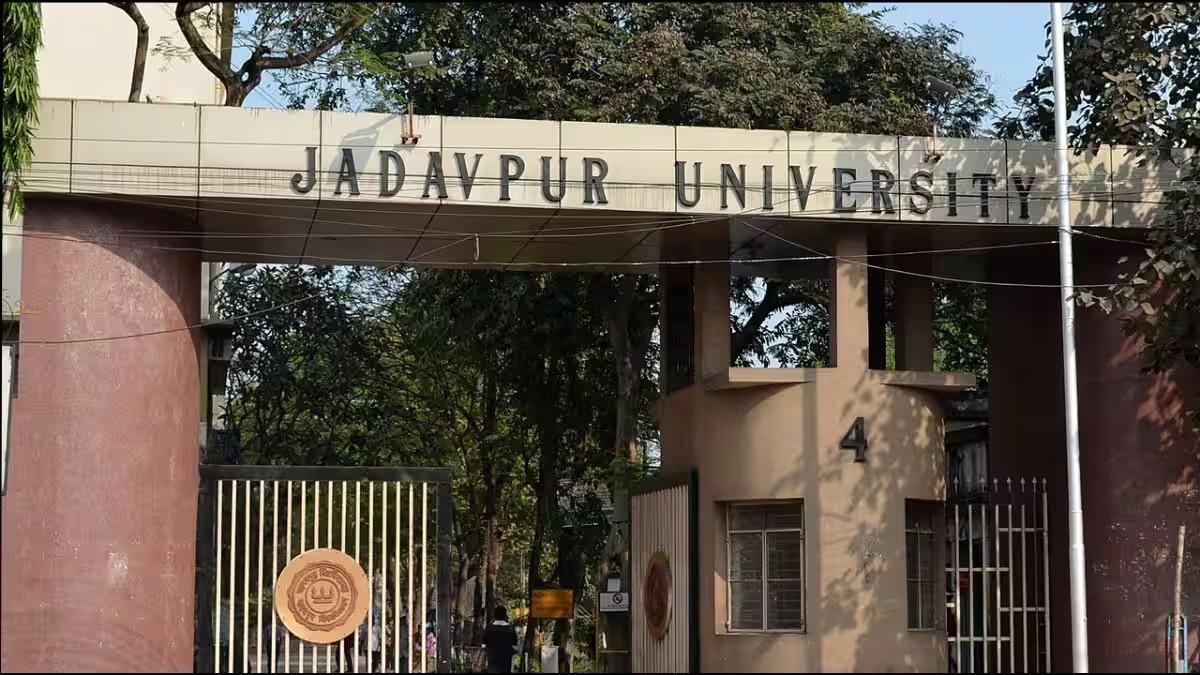
The Jawaharlal Nehru University Teachers’ Association (JNUTA) has strongly condemned the violent clashes that erupted at Jadavpur University on the night of August 19. Expressing solidarity with the students and faculty affected, JNUTA called for an immediate, impartial, and comprehensive investigation into the incident. The association described the violence as a serious attack on the university’s democratic spirit, likening it to the troubling events that took place at Jawaharlal Nehru University (JNU) in January 2020.
Understanding the Jadavpur University Violence
On August 19, tensions escalated between the Akhil Bharatiya Vidyarthi Parishad (ABVP), a right-wing student organization, and left-leaning student groups at Jadavpur University. The confrontation resulted in several students sustaining injuries, with some requiring hospitalization. Reports from the campus also mentioned the involvement of outsiders, fires, and acts of vandalism, further intensifying the unrest.
JNUTA emphasized that universities should be safe spaces dedicated to intellectual growth, democratic debate, critical thinking, and peaceful dissent. The association condemned the use of physical violence as a means to resolve political or ideological differences within academic institutions.
Key Facts About the Incident and Response
- The clash occurred on the night of August 19 between ABVP and left-leaning student groups.
- Several students were injured; some were hospitalized for treatment.
- Fires and vandalism were reported on the university campus during the unrest.
- Concerns were raised about the involvement of outsiders in the violence.
- JNUTA called for an impartial and thorough investigation into the attacks.
- The association urged university authorities and law enforcement to ensure the safety of students and staff.
- JNUTA expressed support for the Jadavpur University Teachers’ Association (JUTA) in their protest and demand for accountability.
Why This Incident Matters for Campus Democracy
JNUTA’s statement highlights the broader implications of such violence on the democratic fabric of higher education institutions. Universities are traditionally spaces where diverse opinions and political views coexist and are debated respectfully. When disagreements escalate into physical confrontations, it threatens the core values of academic freedom and peaceful discourse.
The association warned against the use of administrative repression or intimidation as substitutes for dialogue, stressing that democratic differences must be resolved through conversation and mutual respect. Holding those responsible for the violence accountable is crucial to preserving the integrity and safety of the university environment.
JNUTA’s call for unity among the academic community and civil society underscores the need for collective action to defend campus democracy and protect students and teachers from violence and fear.
Frequently Asked Questions
Q: What triggered the violence at Jadavpur University?
A: The violence broke out during clashes between the ABVP and left-leaning student groups on August 19, with reports of outsiders also contributing to the unrest.
Q: What actions has JNUTA taken in response?
A: JNUTA condemned the violence, expressed solidarity with those affected, and demanded an immediate and impartial investigation. They also supported protests organized by the Jadavpur University Teachers’ Association.
Q: How does this incident affect the university community?
A: The violence threatens the democratic and intellectual environment of the university, raising concerns about safety and the suppression of peaceful dissent on campus.