Jamaat-e-Islami senior leaders justify gender restrictions in leadership
Jamaat-e-Islami has clarified its position on women’s leadership in the party. The party states that women cannot hold the highest leadership positions because of religious principles. There are no current plans to nominate women for parliamentary elections, but they aim to prepare women for future participation. This stance is based on their interpretation of Islamic values, with no indication of upcoming changes.
3 min read210 views
Jamaat-e-Islami, a political party in Bangladesh, has shared its views on women’s roles in its leadership. As of February 2, 2026, the party’s officials have confirmed that women are not allowed to serve as the party’s chief or in the highest leadership position. The decision is based on the party’s interpretation of Islamic principles, which they say do not permit women to hold such roles.
A key figure in the party, Dr. Shafiqur Rahman, who is the Ameer (leader) of Bangladesh Jamaat-e-Islami, explained that there are “God-given differences” between men and women. He stated that women could never be the chief of the party under these religious beliefs. This statement reflects the party’s official stance on gender roles within their leadership hierarchy.
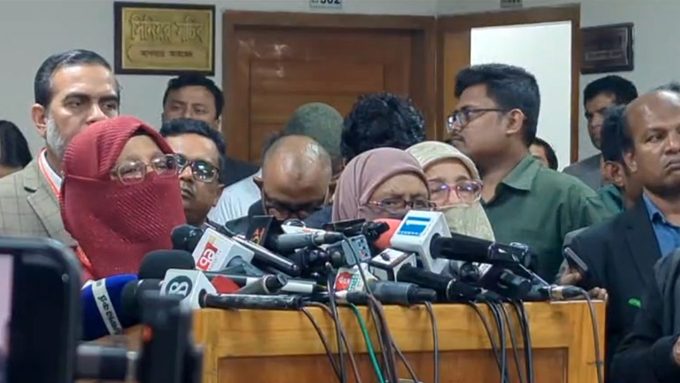
Nurunnisa Siddika, who is the Secretary of Jamaat-e-Islami’s Women’s Wing, further clarified the party’s position. She emphasized that the party’s actions are guided by Islamic principles. According to her, these principles do not allow women to serve as the ameer, or leader, in the party. She also highlighted that the party’s focus is on supporting the rights of women in ways that align with their religious views, rather than pursuing top leadership positions for women.
Despite these restrictions on leadership roles, the party has not dismissed the involvement of women in politics altogether. Jamaat-e-Islami has not nominated any women candidates for the upcoming parliamentary elections. However, the party plans to work on preparing women to participate more actively in future elections. Their goal is to involve women in politics, even if they do not hold the highest positions now.
Nurunnisa Siddika stated that prioritizing women’s rights within their framework is more important than achieving leadership roles for women at this time. She explained that their focus remains on supporting women in ways that are consistent with their religious beliefs. This approach aims to strike a balance between religious adherence and social participation.
As of the current date, there has been no official change or update to Jamaat-e-Islami’s policies regarding women’s leadership. The party has maintained its stance that women cannot serve as the top leader, and it continues to work within these guidelines. The party’s position is clear: their leadership structure and policies are based on their interpretation of Islamic principles.
This stance matters because it influences not only the party’s internal structure but also its public image and participation in politics. It highlights a religious-based approach to gender roles that may affect wider discussions about women’s rights and participation in Bangladeshi politics. Understanding these policies helps clarify the party’s future plans and how they view women’s roles in their organization.
There are some notable facts that provide context. The party has stated that it is committed to preparing women for future involvement, even if they are not eligible for top positions now. Their focus is on supporting women’s rights within their religious framework, rather than expanding women’s leadership roles at this time. As of now, no official changes have been announced, and the party continues to uphold these principles.
In summary, Jamaat-e-Islami’s official stance is that women can’t serve as the highest leaders in the party due to religious reasons. The party is working to involve women in politics in different ways and supports women’s rights within their interpretation of Islamic principles. The current policies are unlikely to change soon, and the party remains committed to its religious-based approach to gender roles.