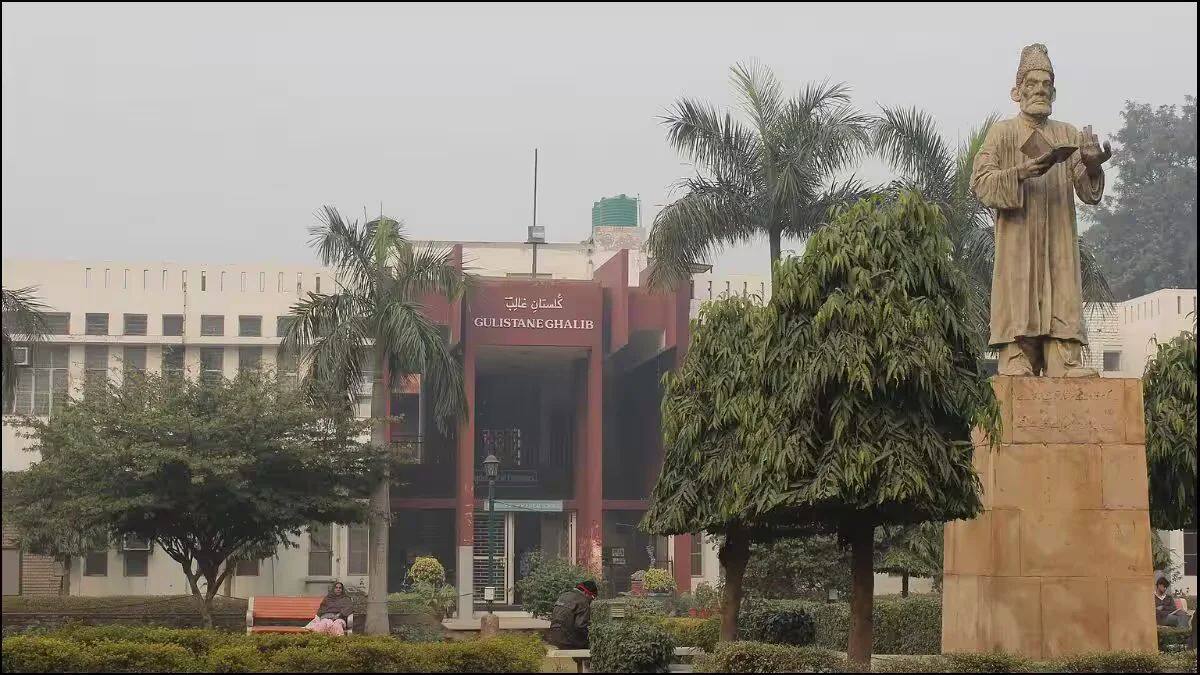
Students at Jamia Millia Islamia (JMI) are continuing their protest demanding the restoration of the Jamia Millia Islamia Students' Union (JMISU) and the announcement of election dates. Despite the university's recent order to hold elections within 15 days of constitution approval, students have refused to end their agitation, highlighting concerns over democratic rights and alleged surveillance on campus.
- Students demand restoration of JMISU and election schedule.
- Alumni and student groups raise concerns about surveillance and disciplinary actions.
- Calls for removal of security adviser's post and resignation of chief proctor.
- Concerns over deployment of Indo-Tibetan Border Police personnel on campus.
- University shifted classes online amid ongoing tensions.
Why are Jamia students protesting?
The protest began earlier this month as students demanded the restoration of the JMISU, which has not held elections since 2006. Students argue that without an elected union, their democratic representation on campus is missing. Four students even went on an indefinite hunger strike to press these demands.
What concerns have alumni and student representatives raised?
At a press conference organized by the Jamia Collective, alumni and student leaders expressed worries about the absence of an elected student union for nearly two decades. They also alleged that students involved in protests are being surveilled and subjected to disciplinary actions. The presence of security personnel, including the Indo-Tibetan Border Police (ITBP), on campus has further heightened tensions.
What specific demands have the students made?
Students have called for:
- The restoration of the JMISU with a clear, time-bound election schedule.
- Student representation in the committee drafting the union's constitution.
- Withdrawal of disciplinary actions against protesters.
- An inquiry into the alleged use of force against students.
- Removal of the security adviser's post and resignation of the chief proctor.
How has the university responded to the protest?
The university ordered that student union elections be held within 15 days of the constitution's approval. It also revoked suspensions and show-cause notices issued to students during the protest. A committee was formed to draft the JMISU constitution, and disciplinary actions related to the protests were to be reviewed. Due to safety concerns amid escalating tensions, the university shifted all classes to online mode starting October 24.
What are the students' views on the university's response?
Despite the university's efforts, students remain unsatisfied, as the protest continues. They believe the administration must make clear commitments to protect democratic rights and ensure an elected student union is restored. They also seek an end to punitive measures against protesters and demand a representative body to voice student concerns and hold the administration accountable.
Frequently Asked Questions
Q: How long has the Jamia Millia Islamia Students' Union been inactive?
A: The JMISU has not held elections since 2006, leaving the student body without an elected union for nearly two decades.
Q: What actions have students taken to demand the restoration of the union?
A: Students have organized protests, including an indefinite hunger strike by four students, to demand the restoration of the JMISU and the announcement of election dates.
Q: What concerns do students have about campus security?
A: Students allege that the university's security adviser is monitoring protesters and that Indo-Tibetan Border Police personnel have been deployed on campus, raising concerns about surveillance and intimidation.
Q: How has the university addressed disciplinary actions against protesting students?
A: The university has revoked suspensions and show-cause notices issued during the protests and promised to review disciplinary actions related to the agitation.