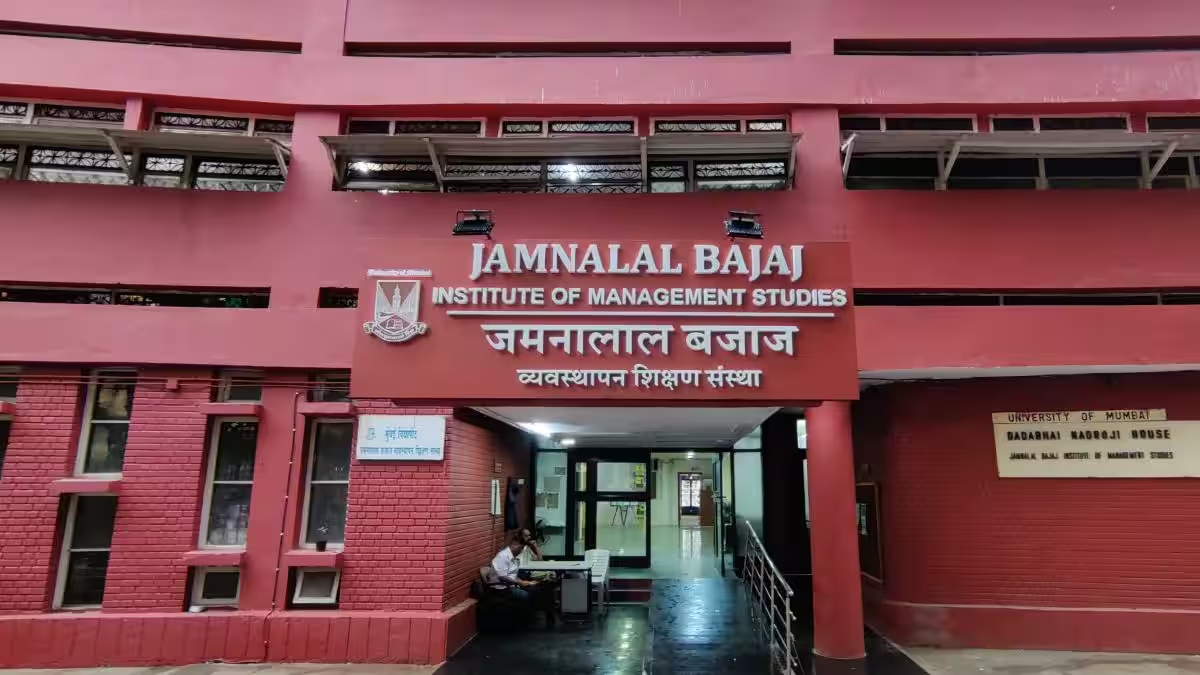
Some graduates from the Jamnalal Bajaj Institute of Management Studies (JBIMS) 2024-26 Master of Management Studies (MMS) batch remain without jobs months after completing their program. They say the placement team has not provided adequate support, while the institute blames students' academic and communication skills for the lack of offers.
- 11 out of 150 MMS graduates reported limited placement assistance post-campus drives.
- JBIMS claims an "excellent" placement season with a median package of Rs 26.15 lakh per annum.
- Students say placement support declined after April, with few new opportunities shared.
- The institute cites poor academic records and skills as reasons for some students remaining unplaced.
- Unplaced graduates face financial pressure and seek more active help from the institute.
What is the current placement situation at JBIMS for the 2024-26 MMS batch?
JBIMS reported a successful placement season with a median salary of Rs 26.15 lakh per annum and the highest package reaching Rs 80 lakh. Over 70 recruiters participated, including 21 new companies. A total of 93 students received pre-placement offers or interviews. However, despite these figures, some students remain unplaced and feel unsupported.
Why do some JBIMS graduates feel the placement support is inadequate?
Eleven graduates wrote to the institute expressing frustration over limited communication and placement opportunities after the main campus placements ended in April. They mentioned that the placement team, which is faculty-led but student-run, shared very few new job listings and did not respond to their emails. They also noted a lack of proper feedback from recruiters and the placement committee.
What reasons does JBIMS give for some students not securing jobs?
Sudhakar Gaonkar, the placement officer, stated that the placement season was excellent for eligible students without academic backlogs. He suggested that students who remain unplaced either failed exams, lack communication skills, or cannot solve case studies effectively. He emphasized that students who regularly attended classes and prepared well received opportunities.
How are unplaced students coping with the situation?
Some graduates are facing financial stress, especially those who took large education loans. One student from a rural area of Maharashtra, with an Rs 11 lakh loan, struggles to find a job paying more than Rs 6 lakh despite prior work experience. These students are seeking more active assistance from JBIMS through alumni networks, company connections, and better communication about job openings.
What support has JBIMS provided to unplaced students?
The placement team continued to assist unplaced students until July and August but shifted focus to the current placement season afterward. A WhatsApp group was created for ongoing communication, but students report minimal updates. JBIMS also highlighted strong placement records in other programs like MSc Finance and Masters in Human Resource Development.
What can JBIMS and students do to improve placement outcomes?
Improving communication between the placement team and unplaced students is crucial. Providing detailed feedback from recruiters could help students identify areas for improvement. Students might also benefit from enhanced skill development in communication and case study analysis. Strengthening alumni engagement and expanding company networks could create more opportunities for all graduates.