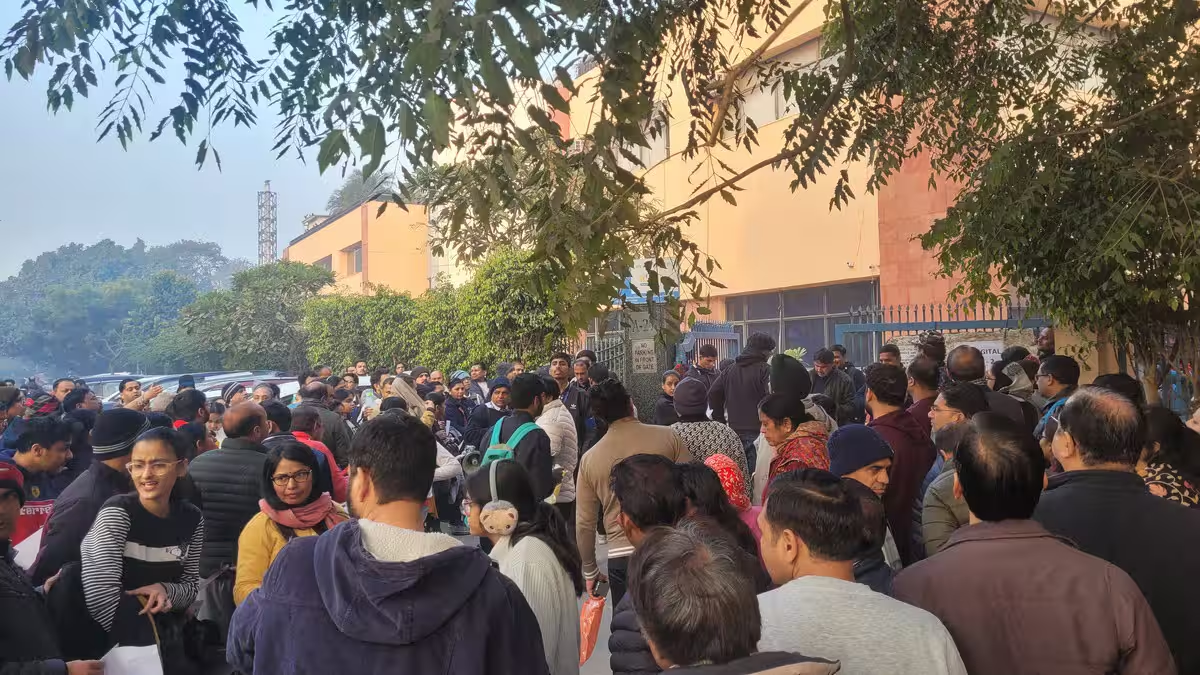
In Jharkhand, students protesting alleged irregularities in recruitment examinations have gained support from the Cockroach Janta Party (CJP), while one protester has launched an indefinite hunger strike. The demonstrations focus on suspected misconduct in exams conducted by the Jharkhand Public Service Commission (JPSC) and Jharkhand Staff Selection Commission (JSSC).
The hunger strike began late Sunday at Jaipal Singh Munda Stadium in Ranchi, where student leader Devendra Nath Mahto demanded a comprehensive investigation by the Central Bureau of Investigation (CBI) and the Enforcement Directorate (ED). The protests have continued since early July, with thousands participating in sit-ins and vigils.
Exam Irregularities Spark Widespread Student Unrest
The protests stem from allegations that the 14th JPSC Civil Services Preliminary Examination, JSSC Combined Graduate Level (CGL) exam, and other recruitment tests were compromised. Students claim the exams were marred by paper leaks and unfair practices, undermining the credibility of the recruitment process for government jobs in Jharkhand.
Devendra Nath Mahto, a prominent student leader, criticized both the central and state governments for their slow response, describing their attitude as "lackadaisical" and demoralizing to the youth. He emphasized that the movement is about protecting the future of millions of hardworking aspirants who have invested years preparing for these competitive exams.
Key Facts About the Jharkhand Exam Protests
- The protests began on July 5 and intensified with a continuous 'satyagraha' (nonviolent resistance) starting July 25.
- Thousands of students have been holding an indefinite sit-in at Jaipal Singh Munda Stadium since July 29.
- Devendra Nath Mahto started a hunger strike on Sunday night to demand a CBI and ED probe into exam irregularities.
- The Cockroach Janta Party publicly supports the students’ demands and has engaged with protest leaders via video calls.
- Protesters have organized torchlight vigils and received nationwide support, including food deliveries from various cities.
- The primary demand is the cancellation of the 14th JPSC Civil Services Preliminary Examination and a transparent investigation into all exams conducted by the recruitment agencies.
Why the Hunger Strike and Protests Matter for Jharkhand’s Youth
The hunger strike and ongoing protests highlight deep frustrations among Jharkhand’s youth over perceived corruption in public service recruitment. Government jobs are highly sought after in the region, offering economic stability and social mobility. Allegations of exam malpractice threaten to erode trust in the recruitment system and discourage future aspirants.
By demanding a thorough investigation and cancellation of compromised exams, the protesters aim to restore fairness and transparency. The movement also serves as a broader call for accountability from both state and central authorities, pressing them to take swift action against corruption.
Mahto’s appeal for peaceful and disciplined protests underscores the movement’s commitment to constitutional methods, even as the hunger strike tests the resolve of those involved. The widespread support from across India indicates the issue resonates beyond Jharkhand, reflecting national concerns about integrity in government recruitment.
Frequently Asked Questions
Q: What triggered the protests in Jharkhand?
A: The protests were triggered by allegations of irregularities and paper leaks in the 14th JPSC Civil Services Preliminary Examination, JSSC-CGL, and other recruitment exams conducted in Jharkhand.
Q: Who is leading the hunger strike?
A: Student leader Devendra Nath Mahto launched the indefinite hunger strike to demand a thorough investigation by the CBI and ED into the exam irregularities.
Q: What are the protesters demanding?
A: The protesters want the cancellation of the compromised exams and a transparent, impartial investigation into all recruitment tests conducted by the agencies involved.