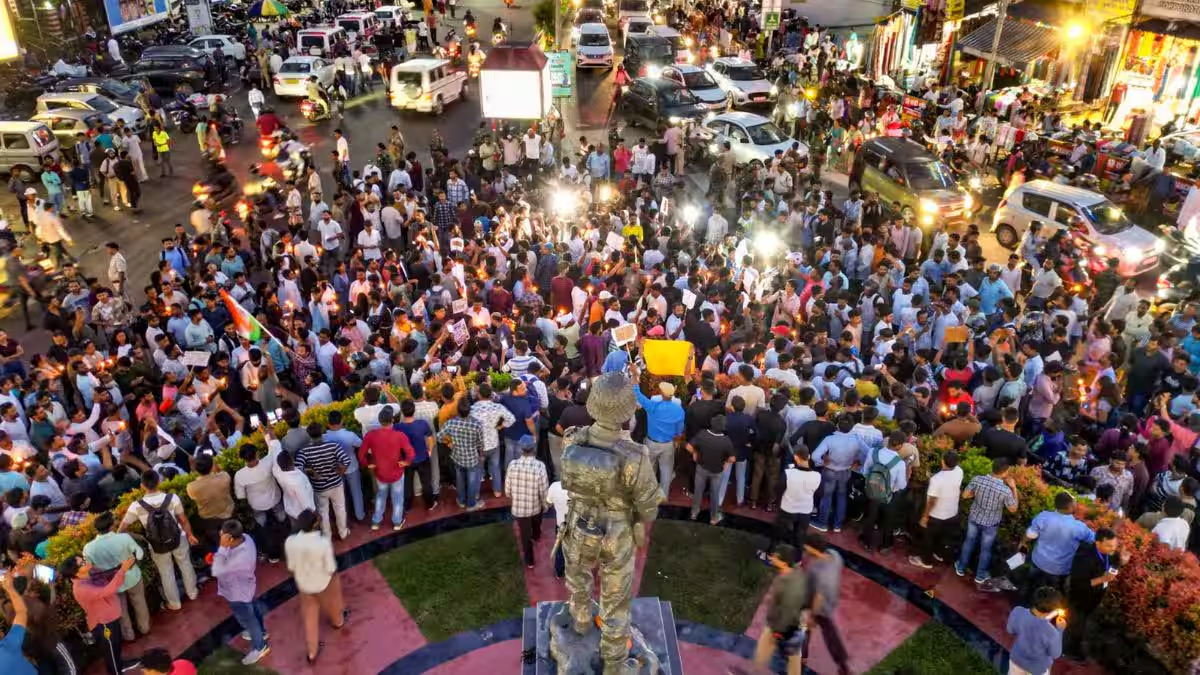
Student protests in Jharkhand over alleged irregularities in recruitment exams have entered their 14th day as of August 7. Despite a meeting between student representatives and state government officials, no agreement was reached. The students have vowed to continue their agitation and hunger strike until their demands, including the cancellation of the 14th Jharkhand Public Service Commission (JPSC) examination, are met.
Background on the Jharkhand Recruitment Exam Controversy
The unrest began after allegations surfaced regarding irregularities in the Jharkhand Public Service Commission and Jharkhand Staff Selection Commission exams. These exams are critical for government job recruitment in the state, making their integrity a significant concern for students and job seekers. The protests are being led by the JPSC/JSSC Reforms Manch, a student group demanding transparency and reforms in the recruitment process.
The movement has gained momentum since July 25, growing into one of the largest student-led protests in Jharkhand in recent years. Hunger strikes have been a key tactic, with several students fasting indefinitely to press their demands.
Key Details of the Protest and Government Response
- On August 7, a 10-member delegation from the JPSC/JSSC Reforms Manch met with a government panel led by Higher and Technical Education Minister Sudivya Kumar.
- The government had initially objected to an 11-member delegation that included an advocate, leading to a revised list being submitted.
- Despite a reportedly positive atmosphere during talks, no resolution was reached, and students decided to continue their protest.
- Students have threatened to march to the Vidhan Sabha on August 10 if their demands are not met by August 9. In anticipation, authorities imposed a prohibitory order around the Vidhan Sabha building from August 6 to 12.
- Key demands include cancellation of the 14th JPSC exam, an independent investigation into the alleged irregularities by either the Central Bureau of Investigation (CBI) or a panel of retired high court judges from outside Jharkhand, and comprehensive reforms in the recruitment commissions.
- Health concerns have risen as some hunger-striking students, including leader Rahul Kranti, required hospitalization due to deteriorating conditions.
- Political figures such as Opposition Leader Babulal Marandi and Health Minister Irfan Ansari have engaged with the protesters, urging caution and ensuring medical care.
- The protest has received backing from left-wing student organizations like the All India Students' Association and the All India Students' Federation, which organized supportive marches.
- The Jharkhand Assembly has seen disruptions from BJP legislators demanding a court-monitored CBI probe, leading to adjournment of proceedings.
- So far, 19 arrests have been made related to the exam irregularities, and former JPSC chairman L Khiangte has been questioned multiple times.
Why the Protest Matters for Jharkhand's Recruitment System
The ongoing agitation highlights deep concerns about fairness and transparency in Jharkhand’s recruitment exams, which are gateways to government employment for thousands. The students’ insistence on canceling the 14th JPSC exam reflects a lack of trust in the current system and a demand for accountability.
The government’s willingness to engage in talks shows recognition of the issue’s seriousness, but the failure to reach a resolution underscores the complexity of addressing systemic irregularities. The protest’s scale and persistence indicate strong public sentiment for reform, which could pressure authorities to implement significant changes.
Health risks associated with hunger strikes add urgency to finding a solution, as prolonged protests could lead to severe consequences for participants. The involvement of political parties and student groups from across the spectrum suggests this issue will remain in the spotlight until addressed.
Frequently Asked Questions
Q: What are the main demands of the protesting students?
A: The students want the cancellation of the 14th JPSC examination, an independent investigation into alleged irregularities, and comprehensive reforms in the recruitment commissions.
Q: How has the government responded to the protests?
A: The government has held talks with student representatives and expressed willingness to consider their demands, but no agreement has been reached yet. A prohibitory order has been imposed near the Vidhan Sabha to manage upcoming protests.
Q: Are there any health concerns related to the protests?
A: Yes, some students on hunger strike have experienced health issues, including hospitalization. Authorities are providing medical care, and political leaders have urged protesters to be cautious.