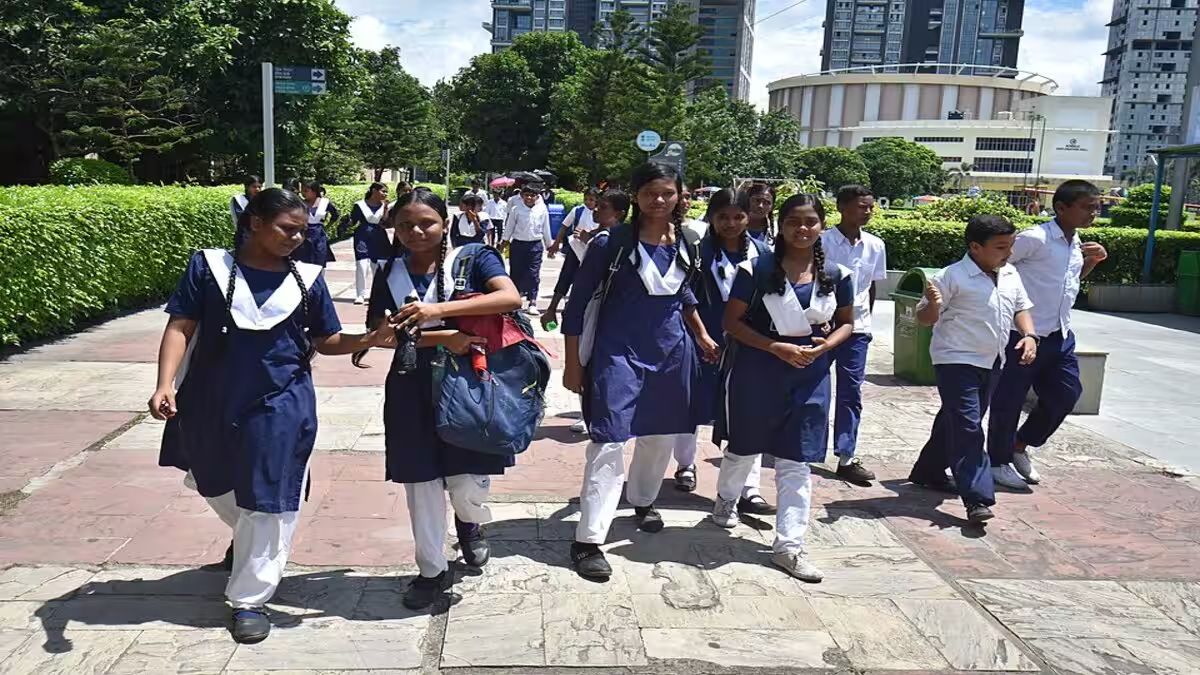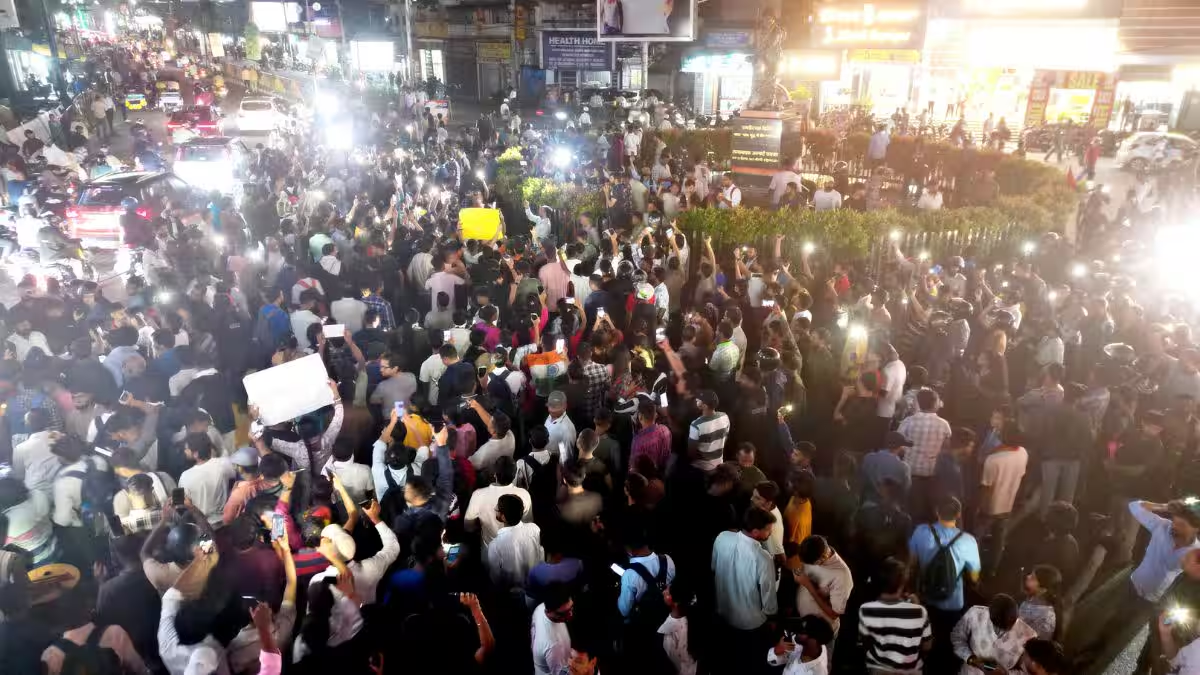
Protests by job seekers in Jharkhand over alleged irregularities in recruitment exams have stretched into their 19th day, with demonstrators pledging to escalate their agitation until their demands are addressed. The students, organized under the JPSC-JSSC Reforms Manch, have refused to end their strike despite government assurances of reform from Chief Minister Hemant Soren's administration.
Understanding the Jharkhand Exam Controversy
The protests center on examinations conducted by the Jharkhand Public Service Commission (JPSC) and the Jharkhand Staff Selection Commission (JSSC). Students allege widespread irregularities and demand greater transparency in the recruitment process. Their key demands include the cancellation of several exams and an independent investigation by either the Central Bureau of Investigation (CBI) or a panel of retired high court judges from outside Jharkhand. These calls reflect deep mistrust in the current system and the handling of recruitment procedures.
Alongside the JPSC-JSSC Reforms Manch, another group called Jharkhand Chhatra Nyay has organized a one-day hunger strike and worn black armbands to protest the police crackdown on students during a march to the state assembly. The police responded to the protest with baton charges, water cannons, and tear gas, leading to injuries on both sides.
Key Events and Facts of the Ongoing Protest
- The agitation began over alleged examination irregularities in Jharkhand's recruitment exams.
- Protesters have been on strike for 19 days as of Wednesday, refusing to call off the movement.
- Police used force during a student march on Monday, including baton charges and tear gas.
- Several students were injured, while police reported 14 officers hurt in clashes.
- The BJP called a statewide bandh on Tuesday, shutting down roads, schools, and markets in protest of police actions.
- The BJP demands an independent probe and accuses the ruling JMM government of suppressing youth voices.
- Six protesters are on indefinite hunger strikes; two are hospitalized due to deteriorating health.
- Government and student representatives held six rounds of talks, but no resolution was reached.
- Chief Minister Hemant Soren promised to cancel the 14th JPSC exam and implement reforms.
- The state assembly was adjourned early due to disruptions linked to the protests.
Why the Protest Continues and Its Wider Impact
The ongoing agitation highlights deep frustrations among Jharkhand’s youth regarding recruitment fairness and transparency. The students’ refusal to end their strike despite government assurances suggests skepticism about the sincerity or sufficiency of proposed reforms. The involvement of political parties like the BJP, which has used the protests to criticize the ruling coalition, has further complicated the situation.
The police response, including baton charges and tear gas, has intensified tensions and drawn criticism from various groups, including the Akhil Bharatiya Vidyarthi Parishad (ABVP), which condemned the use of force against students. The health of hunger-striking protesters remains a serious concern, with some admitted to hospital and closely monitored by medical staff.
The disruption to daily life caused by the bandh and protests has affected education and commerce across multiple districts. The early adjournment of the state assembly reflects the political turmoil triggered by the unrest. How the government balances addressing legitimate grievances while maintaining order will be crucial in the coming days.
Frequently Asked Questions
Q: What are the main demands of the protesting students?
A: The students want greater transparency in Jharkhand’s recruitment exams, cancellation of certain tests, and an independent investigation by the CBI or retired judges from outside the state.
Q: How has the government responded to the protests?
A: The Hemant Soren government has assured reforms in the recruitment system and promised to cancel the 14th JPSC exam. However, talks with student representatives have not yet resolved the conflict.
Q: What triggered the police action against protesters?
A: Police used baton charges, water cannons, and tear gas to disperse students marching towards the state assembly, citing the need to maintain order during the demonstrations.