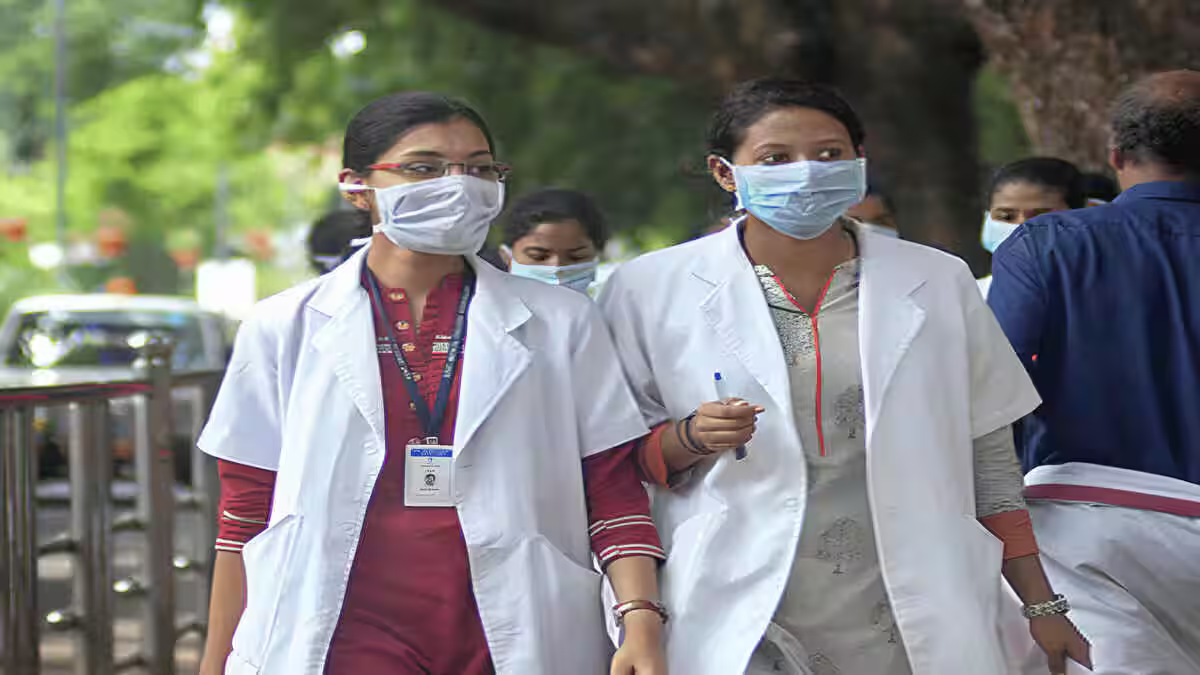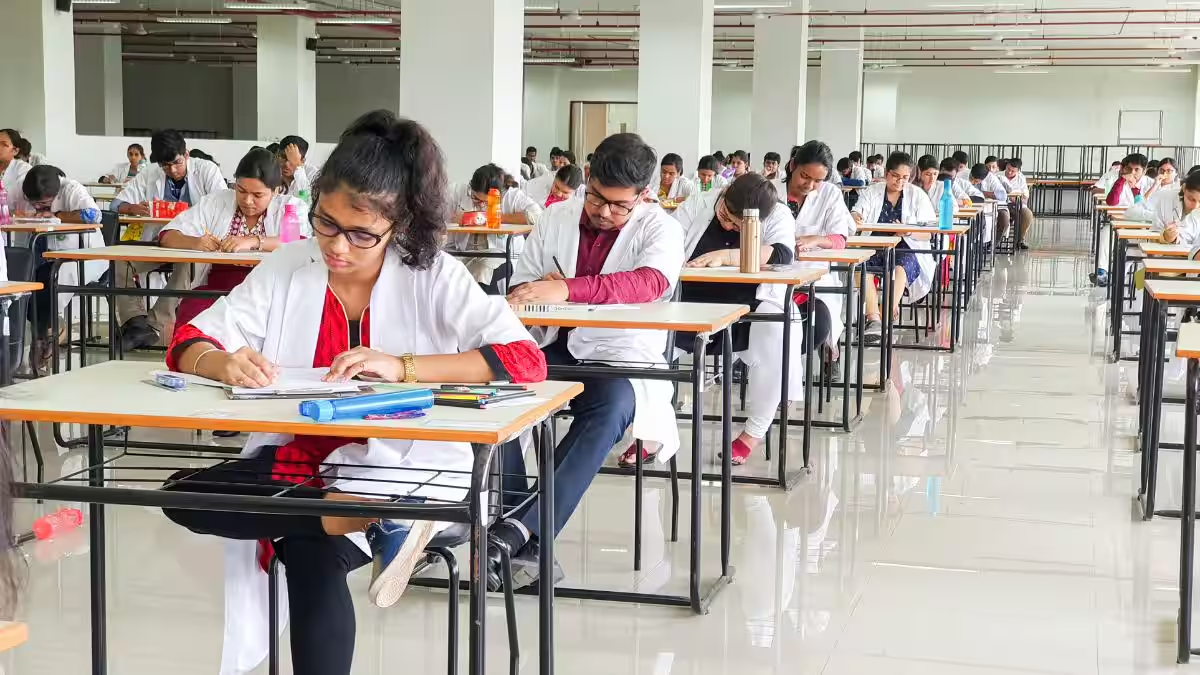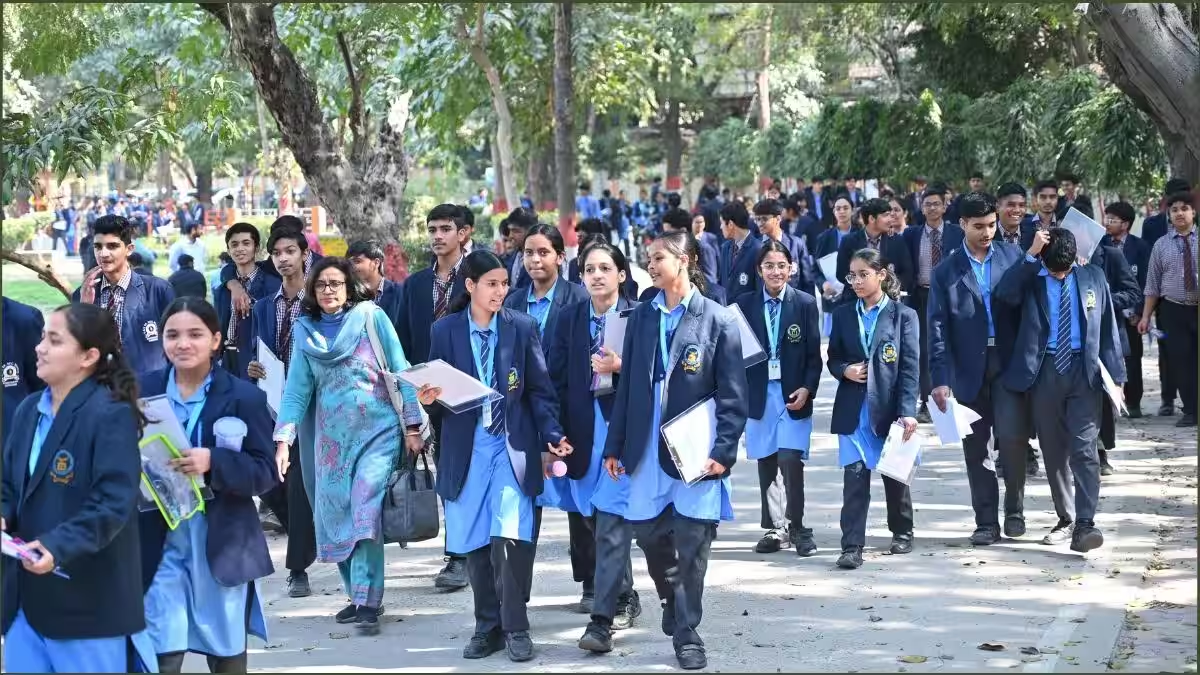
Students in Jharkhand have sustained their protest for the 21st consecutive day, rallying against alleged irregularities in state recruitment examinations. The demonstrators, organized under the JPSC-JSSC Reforms Manch, are preparing to hold a 'Tiranga Yatra' on August 15, India's 80th Independence Day, to reinforce their demands for transparency and justice.
The protest has drawn significant attention after a violent clash on August 10 during a march towards the state assembly, leading to a police case against 300 unnamed participants. Despite the tension, the students remain determined to continue their movement and highlight their concerns.
Understanding the Jharkhand Recruitment Exam Controversy
Jharkhand Public Service Commission (JPSC) and Jharkhand Staff Selection Commission (JSSC) conduct recruitment exams for various government positions. Recently, candidates have raised serious allegations of irregularities in these exams, including unfair practices and lack of transparency. These concerns have sparked widespread protests demanding:
- Cancellation of several recruitment tests deemed flawed
- Implementation of transparent examination procedures
- An independent investigation by the Central Bureau of Investigation (CBI) or a panel of retired judges from outside Jharkhand
The movement reflects deep frustration among job aspirants who view these exams as critical gateways to employment and livelihood.
Key Events and Developments in the Protest
- On August 10, protesters marched towards the state assembly, defying prohibitory orders imposed within a 750-metre radius of the building.
- Clashes with security personnel resulted in injuries to 14 police officers and the use of batons, water cannons, and tear gas to disperse the crowd.
- An FIR was filed against 300 unnamed individuals for alleged violations including damage to government property and attacks on police.
- Several protest leaders, including hunger striker Devendra Nath Mahto, have been hospitalized due to deteriorating health amid the ongoing agitation.
- The state CID has conducted raids and arrested 20 individuals, including former JPSC chairperson L Khiangte, in connection with the exam irregularities.
- The government has promised reforms, including canceling the 14th JPSC exam, but protesters demand a more thorough investigation.
Why the Tiranga Yatra and Continued Protests Matter
The planned Tiranga Yatra on Independence Day symbolizes the protesters' commitment to their cause and their appeal to national pride and justice. By marching with the national flag, students aim to emphasize their peaceful intentions and the legitimacy of their demands.
The protest has also sparked political debate. Chief Minister Hemant Soren supports reform efforts and accuses opposition parties of politicizing the movement. Meanwhile, the BJP alleges government attempts to suppress the agitation. The Congress party has criticized the BJP for bringing outsiders to disrupt the protests, while former Chief Minister Raghubar Das has threatened a hunger strike if a CBI inquiry is not initiated.
The agitation has gained support from various social groups and individuals providing aid to protesters, highlighting the broader public concern over fairness in government recruitment.
Frequently Asked Questions
Q: What triggered the Jharkhand student protests?
A: The protests began due to allegations of irregularities and lack of transparency in recruitment examinations conducted by Jharkhand Public Service Commission and Jharkhand Staff Selection Commission.
Q: What are the protesters demanding?
A: They want the cancellation of certain exams, transparent recruitment processes, and an independent investigation by the CBI or retired judges from outside the state.
Q: What is the significance of the Tiranga Yatra planned for August 15?
A: The Tiranga Yatra is a march with the national flag on Independence Day, intended to strengthen the protest movement and highlight the students' peaceful demands for justice and reform.