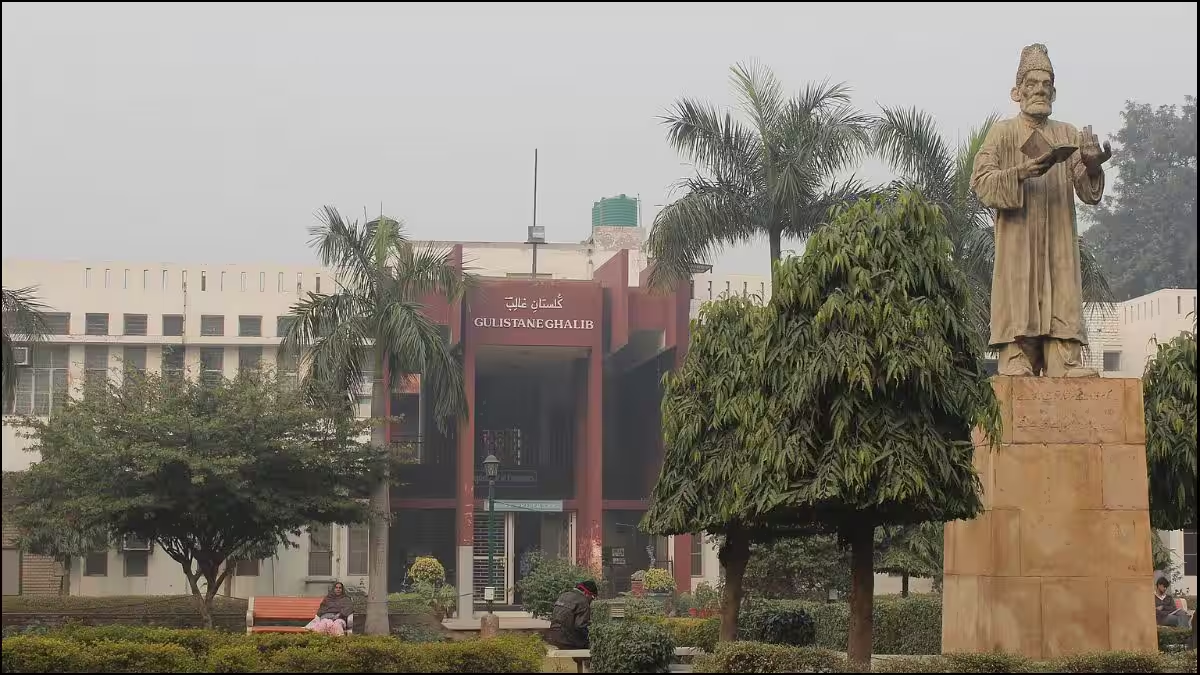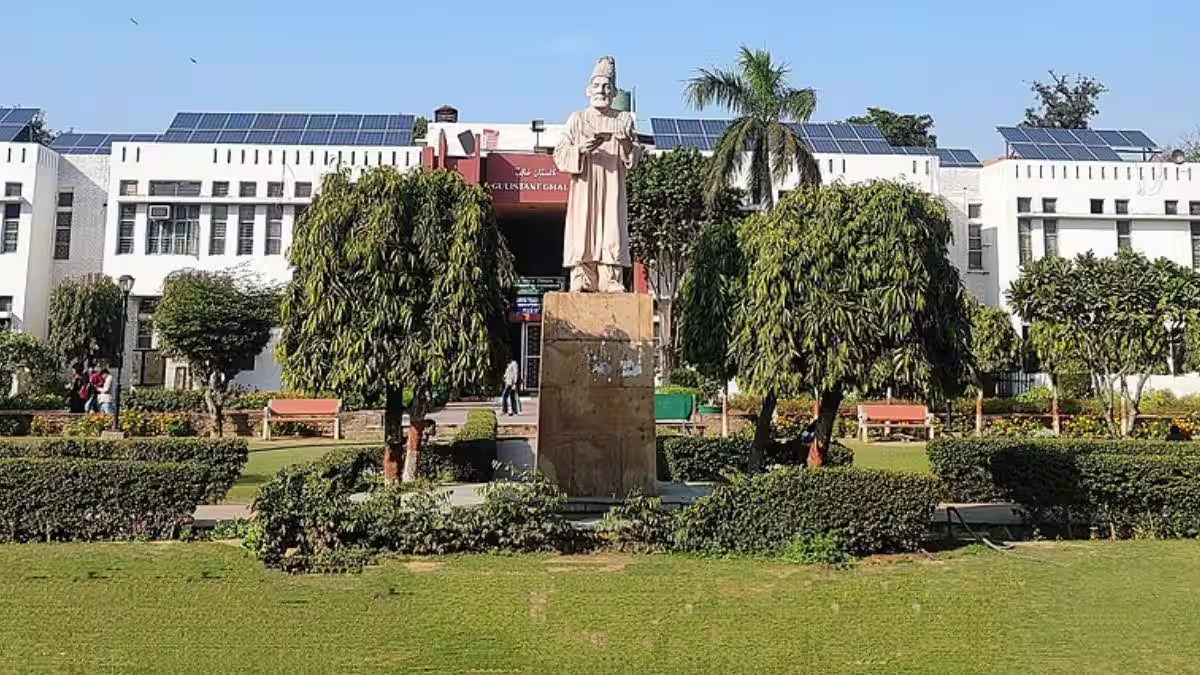
Jamia Millia Islamia (JMI) has announced that the students’ union constitution must be completed by May 15, 2027. This decision comes amid ongoing protests by students demanding the restoration of the Jamia Millia Islamia Students' Union (JMISU) and a clear election schedule.
- The students’ union constitution deadline is May 15, 2027.
- Disciplinary actions and campus bans related to the protests will be revoked.
- Student elections will follow Lyngdoh Committee guidelines and occur within six weeks of the academic session starting or 15 days after constitution approval.
- Protests have lasted 18 days, with demands for union restoration and election dates.
- Online classes and exams continue due to the campus agitation.
Why has JMI set a deadline for the students’ union constitution?
The university administration has set the May 15, 2027 deadline to finalize the students’ union constitution as a response to the prolonged student protests. These protests have been ongoing for 18 days, with students demanding the restoration of the JMISU and a clear schedule for elections. By setting this deadline, JMI aims to address student concerns and restore normal campus activities.
What actions has JMI taken regarding student protests?
JMI has ordered the immediate revocation of all show-cause notices, disciplinary actions, rustications, suspensions, and campus bans related to the protest period. The administration has also asked students to call off hunger strikes and protests. Despite these efforts, the protests continued until the university issued clear plans for the union constitution and elections.
When will the student elections be held?
The university has stated that student elections will be conducted according to the Lyngdoh Committee guidelines. Elections are scheduled to take place within six weeks from the start of the academic session, which begins around July 16, 2027, or within 15 days after the final approval of the students’ union constitution. This timeline provides a structured approach to restoring student governance.
What caused the original dissolution of the students’ union?
The JMISU was dissolved about twenty years ago due to recurring incidents of violence and attacks on faculty members, including the then vice-chancellor. These safety concerns led the university to suspend the union activities for two decades.
How has the protest affected campus activities?
The protests have resulted in damage to campus property, including gates and CCTV systems. Due to the ongoing agitation, JMI extended online classes until November 24 and announced that practical and viva examinations for the odd semester would be held online. These measures aim to ensure academic continuity despite the unrest.
What are the students demanding?
Students have been demanding the restoration of the JMISU and a clear schedule for student elections. They have organized hunger strikes and protests to press these demands. The university’s recent orders address these demands by setting a constitution deadline and election timeline.
Frequently Asked Questions
Q: What is the Lyngdoh Committee guideline mentioned in the election process?
A: The Lyngdoh Committee guidelines provide a framework for conducting student elections in universities to ensure fairness, transparency, and peaceful conduct.
Q: Why were disciplinary actions revoked?
A: Disciplinary actions related to the protests were revoked to encourage students to end their agitation and participate in the upcoming election process.
Q: How long have the protests been going on?
A: The protests have lasted for 18 days at the time of the university’s latest announcement.
Q: Will classes continue during the protests?
A: Yes, JMI has extended online classes until November 24 and will conduct practical and viva exams online to maintain academic progress.