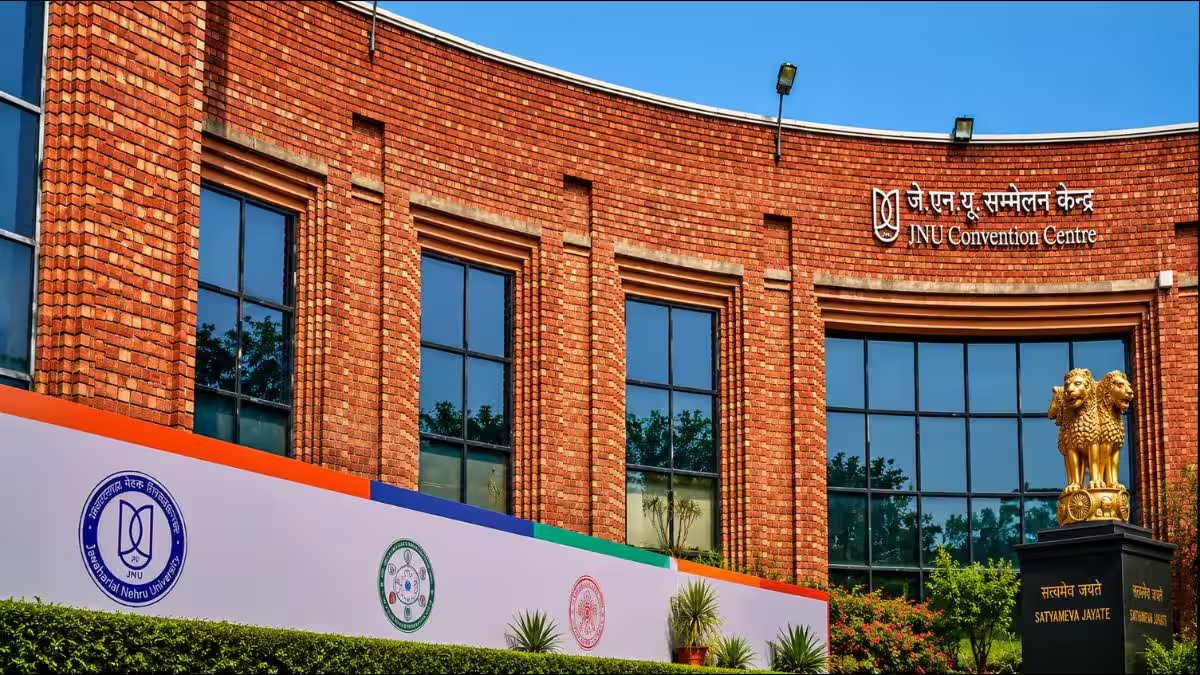
Jawaharlal Nehru University (JNU) has dismissed Professor Angomcha Bimol Akoijam due to sexual harassment allegations. The decision came after an inquiry conducted by the university's Internal Committee (IC), which found sufficient evidence to recommend major punishment. The dismissal is effective immediately, as stated in an official order signed by JNU Vice-Chancellor Santishree D Pandit.
- Professor Angomcha Bimol Akoijam was dismissed following sexual harassment allegations.
- The university's Internal Committee conducted a thorough inquiry into the case.
- The punishment was imposed after following due process and considering all facts.
- The dismissal order cites relevant service rules and regulations.
- The decision was officially signed by the JNU Vice-Chancellor.
What led to the dismissal of Professor Angomcha Bimol Akoijam?
The dismissal of Professor Angomcha Bimol Akoijam was the result of an inquiry by JNU's Internal Committee into allegations of sexual harassment. The committee examined the complaints and evidence presented and recommended a major punishment based on its findings. The university then followed due process, reviewed all available facts, and issued an official order to terminate the professor's services immediately.
Who is Professor Angomcha Bimol Akoijam?
Professor Angomcha Bimol Akoijam was a faculty member at the Centre for the Study of Social Systems under the School of Social Sciences at JNU. His role involved teaching and research in social sciences until the allegations and subsequent inquiry led to his dismissal.
How did JNU handle the investigation and decision-making process?
JNU followed a structured and formal process to address the allegations. The university's Internal Committee conducted a detailed inquiry into the sexual harassment complaints. After completing the investigation, the committee submitted a report recommending major punishment. The university then considered the report and all related facts before making the final decision to dismiss the professor. The dismissal order referenced applicable service rules, including Rule 11(ix) of the Central Civil Services (Classification, Control and Appeal) Rules.
What does the official dismissal order state?
The official order, signed by Vice-Chancellor Santishree D Pandit, states that the punishment of dismissal from the university's services is imposed immediately. It highlights that the decision was taken after following due process and considering all available facts, based on the Internal Committee's report. The order specifically names Professor Angomcha Bimol Akoijam and mentions his affiliation with the Centre for the Study of Social Systems, School of Social Sciences.
What are the broader implications of this case at JNU?
This case reflects JNU's commitment to addressing sexual harassment allegations seriously and ensuring accountability within its faculty. By following due process and enforcing strict disciplinary action, the university aims to maintain a safe and respectful environment for students and staff. The dismissal also serves as a reminder of the importance of institutional mechanisms like Internal Committees in handling such sensitive matters effectively.
Frequently Asked Questions
Q: What is the role of the Internal Committee at JNU?
A: The Internal Committee at JNU investigates complaints related to sexual harassment and recommends appropriate actions based on their findings.
Q: Was the dismissal immediate after the inquiry?
A: Yes, the dismissal of Professor Angomcha Bimol Akoijam took effect immediately following the official order.
Q: Which rules governed the dismissal process?
A: The dismissal was governed by the university's service rules and Rule 11(ix) of the Central Civil Services (Classification, Control and Appeal) Rules.
Q: Who signed the dismissal order?
A: The dismissal order was signed by JNU Vice-Chancellor Santishree D Pandit.
Q: What department was the professor associated with?
A: Professor Akoijam was part of the Centre for the Study of Social Systems under the School of Social Sciences at JNU.