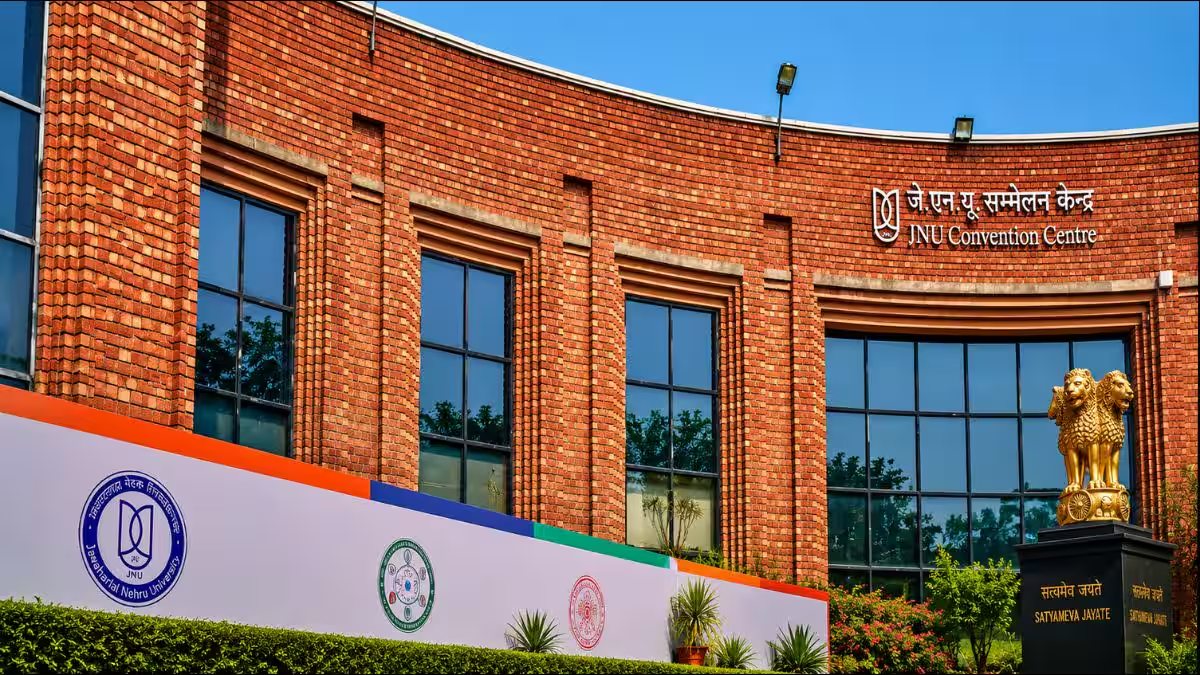
The Jawaharlal Nehru University Students’ Union (JNUSU) and the JNU Teachers’ Association (JNUTA) have jointly called for the removal of Vice Chancellor Santishree Dhulipudi Pandit. This demand comes amid serious allegations of irregularities in the university’s faculty recruitment and promotion processes during her tenure. Both bodies are urging a thorough, independent, and time-bound investigation into these claims.
The controversy erupted following media reports that accused the university administration of reinstating candidates into the recruitment process despite their rejection by subject experts for failing to meet the University Grants Commission (UGC) eligibility criteria. These reports have intensified scrutiny of JNU’s hiring practices and administrative transparency.
Understanding the Recruitment Controversy at JNU
Faculty recruitment at Indian universities like JNU follows strict guidelines set by the UGC, which outlines eligibility criteria and procedural norms to ensure fairness and meritocracy. Screening committees composed of subject experts assess candidates’ qualifications and suitability. The Internal Quality Assurance Cell (IQAC) is typically responsible for overseeing quality standards but does not have authority to alter recruitment decisions made by these committees.
In this case, JNUTA alleges that the IQAC overstepped its mandate by adding candidates to final shortlists after they had been rejected by screening committees. These changes reportedly occurred without documented reasons and despite objections from elected teacher representatives on the Executive Council. The association claims that such actions violate both university statutes and UGC regulations.
Key Facts Behind the Allegations
- At least seven faculty members were allegedly appointed in breach of UGC norms.
- Candidates rejected by screening committees were later reinstated by the IQAC without proper approval.
- Objections raised by elected teachers in the Executive Council were ignored.
- JNUTA raised concerns with the university registrar and IQAC Director P R Kumaraswamy in May but received no response even after 100 days.
- The concentration of decision-making power in the Vice Chancellor’s office is said to have undermined statutory bodies and affected recruitment, promotions, and administrative appointments.
- JNUTA has written multiple letters to the President of India, who is the university’s Visitor, seeking intervention and the Vice Chancellor’s removal.
- JNUSU has demanded a court-monitored inquiry into all faculty recruitments during Pandit’s tenure and public disclosure of recruitment records.
- Past inquiry reports have accused Pandit of misconduct during her previous tenure at the University of Pune.
Why This Recruitment Dispute Matters for JNU
The allegations strike at the heart of academic integrity and governance at one of India’s premier universities. Faculty recruitment and promotions directly impact the quality of education and research, as well as the university’s reputation. If appointments bypass established norms, it risks eroding trust among students, staff, and the wider academic community.
The concentration of power in the Vice Chancellor’s office, as alleged, could weaken institutional checks and balances designed to ensure transparency and fairness. Ignoring objections from elected representatives and bypassing statutory procedures may set a troubling precedent for university governance.
Calls for an independent, court-monitored inquiry reflect the demand for accountability and the preservation of democratic processes within the university. Transparency in recruitment records and processes is essential to restore confidence among stakeholders and uphold merit-based appointments.
Frequently Asked Questions
Q: What triggered the demand for Vice Chancellor Santishree Pandit’s removal?
A: Allegations of irregularities in faculty recruitment and promotions, including appointments made in violation of UGC norms and unauthorized changes to candidate shortlists, have led students and teachers to demand her removal.
Q: What role does the Internal Quality Assurance Cell (IQAC) play in recruitment?
A: The IQAC is responsible for maintaining quality standards but does not have the authority to alter recruitment decisions made by academic screening committees. The controversy centers on the IQAC allegedly reinstating rejected candidates without proper approval.
Q: What actions are the JNU Students’ Union and Teachers’ Association seeking?
A: They want an independent, time-bound inquiry into all faculty recruitments during the Vice Chancellor’s tenure, public disclosure of recruitment documents, preservation of records, and legal action against officials found responsible for violations.