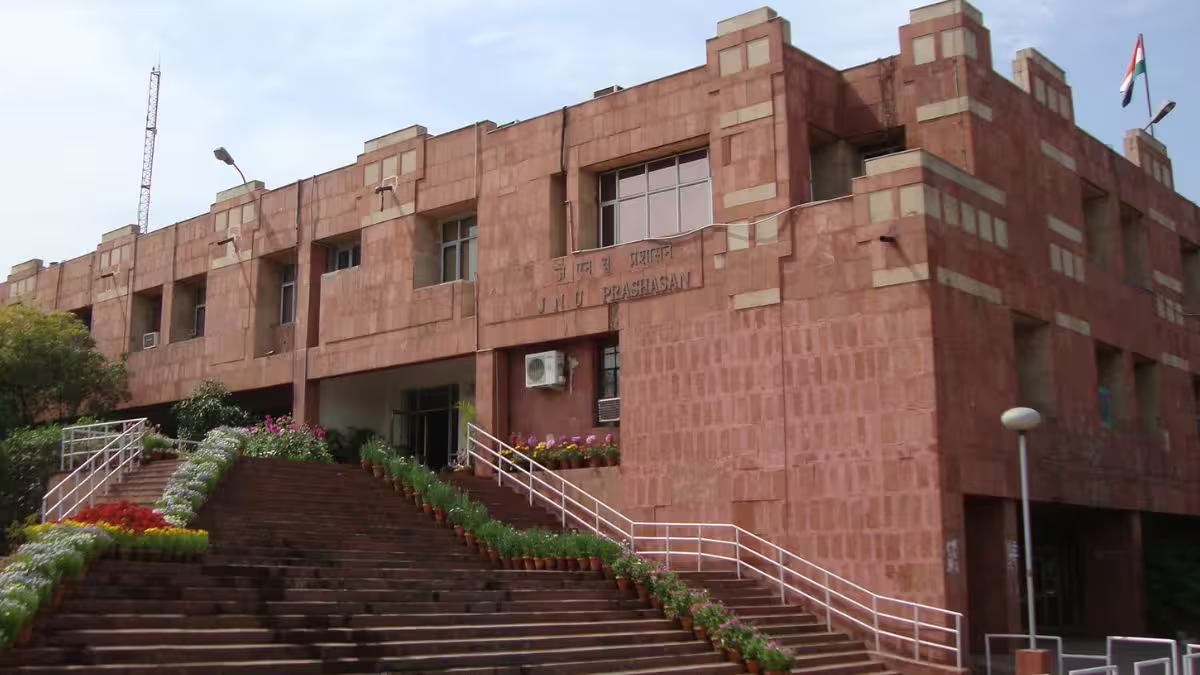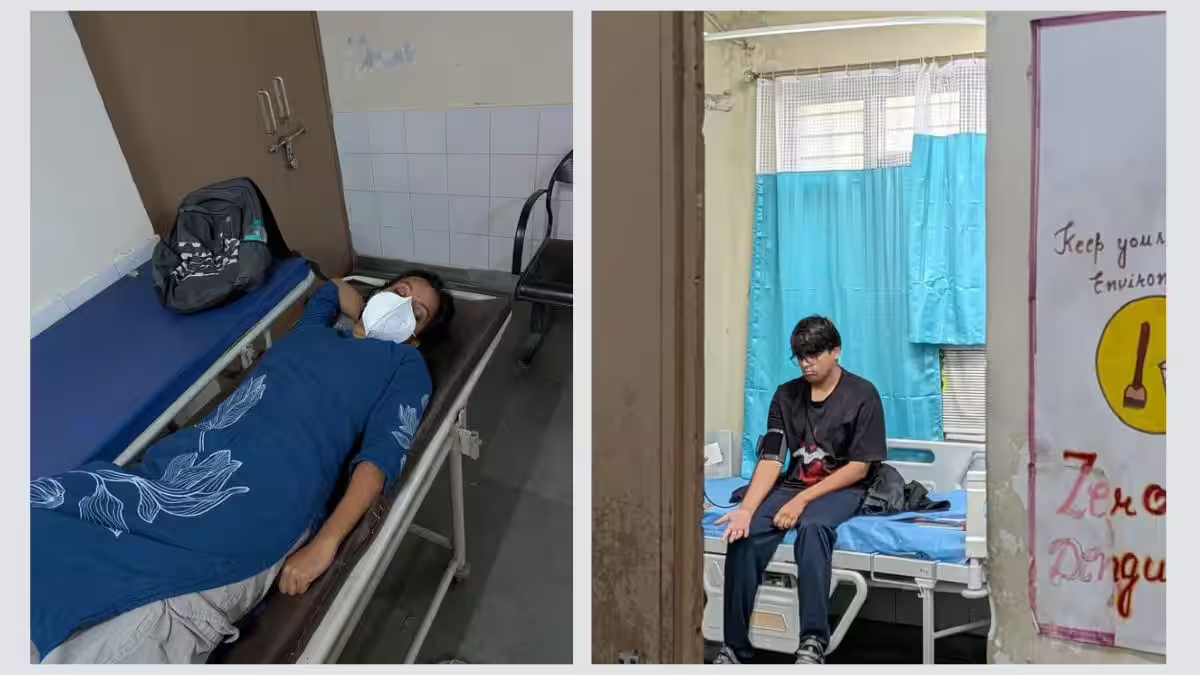
Member of Parliament John Brittas has called on President Droupadi Murmu to urgently intervene in the indefinite hunger strike by Jawaharlal Nehru University Students’ Union (JNUSU) representatives and other students. The protest, which began on October 3, has entered its 16th day, with students’ health worsening due to the ongoing hunger strike.
- MP John Brittas requests revocation of rustication of elected JNUSU representatives.
- Students demand withdrawal of objectionable provisions in the Chief Proctor’s Office (CPO) Manual.
- Protest began over installation of facial recognition technology in the Central Library.
- Students raise 13 demands including reinstatement of the Gender Sensitisation Committee Against Sexual Harassment (GSCASH) and continuation of the JNU entrance exam (JNUEE).
- Concerns over restrictions on student protests and freedom of expression at JNU.
Why are JNU students on a hunger strike?
JNUSU representatives and other students started a peaceful hunger strike on October 3 to protest against the rustication of elected student leaders and the enforcement of strict rules under the Chief Proctor’s Office Manual. The protest also opposes the installation of facial recognition technology surveillance in the Central Library. Students demand the revocation of rustication orders and the withdrawal of the CPO Manual’s objectionable provisions.
What are the main demands of the JNU students?
The students have presented 13 demands, including:
- Reversing the rustication of JNUSU office bearers, including former president Nitish and vice president Danish Ali.
- Withdrawing the CPO Manual, which imposes heavy fines and punishments for protests and gatherings.
- Reinstating the Gender Sensitisation Committee Against Sexual Harassment (GSCASH).
- Maintaining the Jawaharlal Nehru University Entrance Exam (JNUEE).
- Addressing other outstanding grievances related to campus facilities and student rights.
How has the university administration responded?
Jawaharlal Nehru University Vice Chancellor Santishree Dhulipudi Pandit acknowledged the hunger strike for the first time during a visit to the protest site. However, she refused to speak with the rusticated students. The JNUSU accused the administration of making public statements that create an impression of concern without genuinely engaging with the students or resolving their issues.
What concerns did MP John Brittas raise in his letter?
MP Brittas expressed deep concern over the university’s failure to address student grievances, which has led to the prolonged protest. He highlighted the negative impact of rustication on student representation and the chilling effect of strict disciplinary measures on free expression. Brittas emphasized the importance of maintaining an environment where students can freely express their views and question decisions without fear of punishment.
He also pointed out the health risks faced by students participating in the hunger strike and urged the President of India, who is the Visitor of the university under the Jawaharlal Nehru University Act, 1966, to use her authority to review the situation and provide direction.
What is the background of the protest?
The protest began after the university rusticated elected student leaders for protesting the installation of facial recognition technology in the Central Library. The students argue that the technology infringes on privacy and restricts their freedom. The CPO Manual's strict rules on protests and gatherings have further escalated tensions, leading to the current hunger strike.
What are the potential implications of the ongoing protest?
The ongoing hunger strike and unresolved grievances raise concerns about the university's commitment to democratic principles and student rights. The situation also highlights issues related to gender justice, equal opportunity, admissions, and campus facilities. The prolonged impasse affects not only the students directly involved but the wider university community.