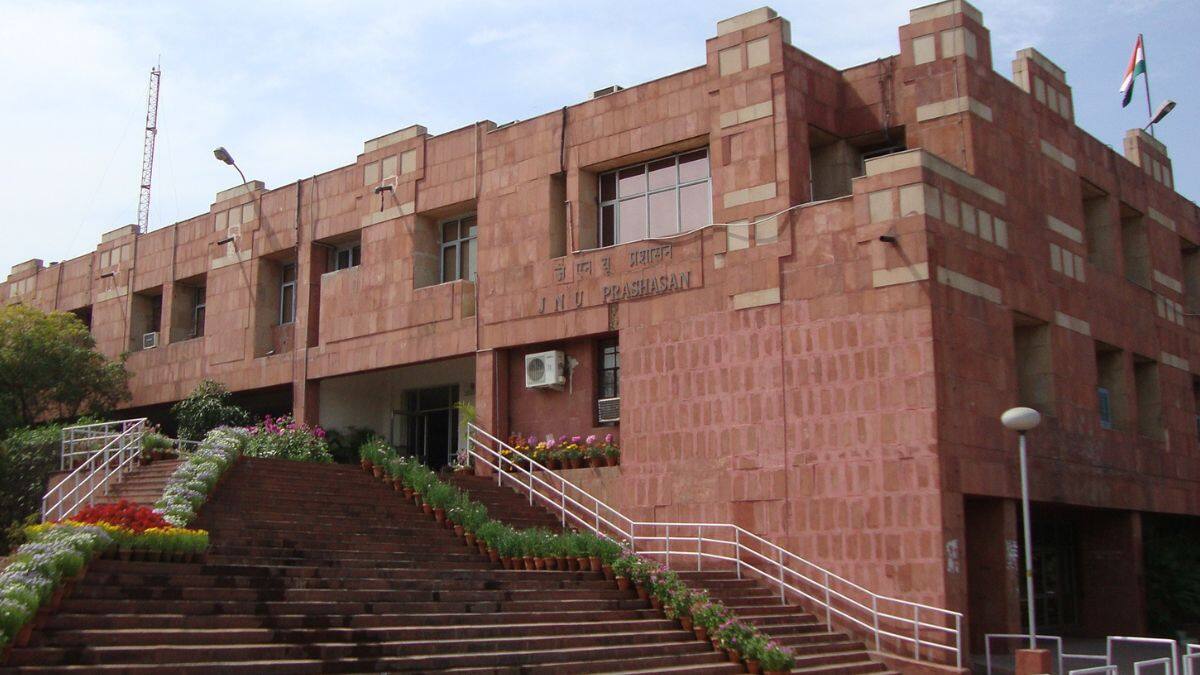
Complainants in a sexual harassment case at Jawaharlal Nehru University (JNU) have strongly criticized the Akhil Bharatiya Vidyarthi Parishad (ABVP) for politicizing their case and breaching confidentiality by publicizing it without their consent. The case involved allegations against a professor, and the complainants emphasize that the complaint was filed confidentially through the university's internal committee.
- The complainants accuse ABVP of spreading misinformation before the inquiry concluded.
- They highlight that ABVP publicized the case without their consent, risking their anonymity and safety.
- ABVP is said to have discouraged survivors from filing complaints and pressured the accused professor.
- The professor was dismissed following the internal committee's inquiry.
- The complainants stress that the issue is about women's safety, not politics.
What actions did the ABVP take that upset the complainants?
The complainants allege that ABVP publicized the sexual harassment case without their consent, turning it into a public spectacle. They claim ABVP spoke to media outlets without permission, shared misinformation before the inquiry was complete, and held demonstrations on campus related to the case. Additionally, ABVP members reportedly discouraged survivors from filing complaints and spoke directly to the accused professor, urging him to accept an inadequate apology.
How did the complainants’ confidentiality get breached?
The sexual harassment complaint was filed confidentially with JNU's internal committee. However, screenshots from a classroom group chat where complainants discussed their experiences were leaked and published in media reports. This breach of privacy put the complainants' anonymity and safety at risk, according to their statement.
What was the outcome of the university's inquiry?
JNU's internal committee conducted an inquiry into the allegations against the professor. Based on the findings, the university dismissed Professor Angomcha Bimol Akoijam immediately. This action followed the formal investigation process within the university.
Why do the complainants reject the politicization of the case?
The complainants emphasize that the sexual harassment case is about women's safety, security, freedom, rights, and bodily autonomy. They argue that ABVP's politicization of the issue distracts from these important concerns and wrongly frames the matter as a political agenda rather than a serious issue of sexual harassment and misuse of authority on campus.
What concerns did the complainants raise about the campus environment?
According to the complainants, the ABVP-RSS-BJP regime has contributed to a culture of misogyny and undermined women's safety not only at JNU but across the country. They also mention that ABVP members discouraged survivors from filing complaints and attempted to minimize the seriousness of the allegations by pressuring the accused professor.
Frequently Asked Questions
Q: Who was the professor involved in the sexual harassment case?
A: The professor involved was Angomcha Bimol Akoijam, who was dismissed by JNU following the internal inquiry.
Q: How did the complainants file their sexual harassment complaint?
A: The complainants filed their complaint confidentially with JNU's internal committee, which handles such cases.
Q: What is the complainants' main criticism of ABVP?
A: The complainants criticize ABVP for politicizing the case, publicizing it without consent, spreading misinformation, and risking their safety and anonymity.
Q: What does the complainants' letter say about women's safety?
A: The letter states that the case is about women's safety, security, freedom, rights, and bodily autonomy, and should not be treated as a political issue.